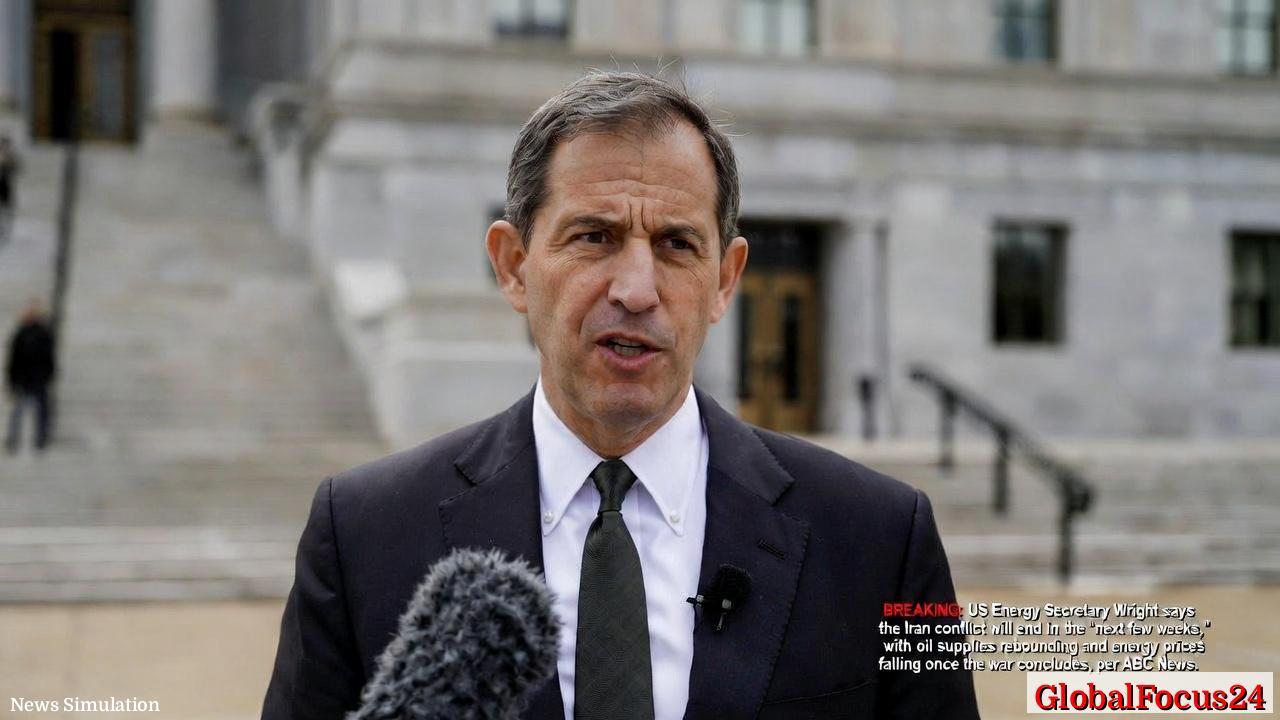
Oil Markets Brace for Fluctuations as Geopolitical Conflict Highlights Global Energy Shifts
A fresh wave of uncertainty swept through global energy markets this week as leaders and analysts weighed the potential endgame of a prolonged international conflict that has disrupted crude flows and recalibrated strategic reserves. While official statements vary, the overarching narrative centers on a possible rebound in oil supplies and a rebalancing of energy prices should hostilities ease in the coming weeks. The implications extend far beyond immediate price movements, touching trade balances, regional energy security, and the pace of investment in low-carbon alternatives across major consuming nations.
Historical Context: Cycles of Disruption and Recovery Energy markets have a long history of reacting to geopolitical shocks, with price volatility often followed by periods of adjustment that reflect shifts in supply security, spare capacity, and diplomatic signaling. The current situation evokes patterns seen in earlier crises, when disruptions forced producers to recalibrate output, futures markets priced in risk premia, and consuming nations scaled back speculative bets in favor of more conservative planning. In the wake of past conflicts, infrastructure resilience—ranging from strategic petroleum reserves to cross-border pipelines—reasserted itself as a critical buffer, allowing for a more orderly transition from disruption to normalization.
The present episode underscores a familiar dynamic: energy systems are deeply interwoven with international relations, trade routes, and the reliability of core production hubs. When conflict threatens to bottleneck supply, markets respond not only through price adjustments but also through strategic procurement shifts, accelerated demand-side efficiency measures, and a renewed emphasis on diversified sourcing. Even ass pivot toward potential near-term peace, the longer arc remains shaped by the capacity of nations to coordinate amid uncertainty and to maintain transparent communication about supply intentions.
Economic Impact: Markets, Manufacturers, and Consumers The prospect of oil supplies rebounding and prices retreating carries wide-ranging effects across economies. For oil-importing countries with narrow current-account deficits, a moderation in energy costs can provide relief to households and businesses that otherwise face inflationary pressures from upstream commodity movements. This relief often translates into improved consumer purchasing power and a modest uptick in industrial activity, particularly for sectors sensitive to energy prices such as transportation, mining, and manufacturing.
Domestic producers, meanwhile, monitor cost structures and capital expenditures with heightened attention to price signals and risk premiums. If market conditions stabilize, investment plans tied to exploration, production capacity expansion, and infrastructure modernization may resume with renewed confidence. This can support job creation and regional development in areas with competitive reserves or refined product hubs, though the pace of investment remains contingent on broader macroeconomic conditions, access to financing, and environmental considerations that influence policy directives.
Regions with significant energy-intensive industries face distinct trajectories. In regions with a strong reliance on imported crude, a reduction in energy costs can enhance competitiveness and improve trade balances. Conversely, areas that heavily depend on domestic refining and distribution networks may experience shorter-term disruptions as supply chains normalize and inventories adjust to new demand patterns. The net effect will hinge on the speed of normalization in refineries, shipping routes, and storage facilities, as well as the degree to which currency fluctuations and inflation expectations interact with energy markets.
Regional Comparisons: How Markets React Across Watersheds
- North America: The broader U.S. and Canadian markets have historically demonstrated resilience in the face of energy shocks, aided by strategic reserves and diversified feedstocks. A stabilization in oil prices can support manufacturing activity and consumer sentiment, particularly in transportation sectors where fuel costs constitute a meaningful share of operating expenses. Policymakers may emphasize maintaining supply discipline while promoting efficiency programs and strategic investments in domestic energy security.
- Europe: European economies, which are more exposed to energy import dependencies and price volatility, often experience amplified effects during disruptions. A rebound in supply could ease energy bills for households and businesses, but the region will remain attentive to global gas and coal dynamics as part of a broader energy transition strategy. Green investment continues to be a priority, with market participants watching how energy diversification efforts mature alongside conventional oil and gas operations.
- Asia-Pacific: This region includes major consuming markets with growing demand, where price movements influence industrial output and infrastructure planning. Countries that have recently expanded refining capacity or diversified import routes may experience a steadier absorption of price shocks, while others with concentrated supply chains could see more pronounced volatility depending on regional risk assessments and geopolitical development.
Energy Security and the Path Forward The ongoing discourse around energy security centers on balancing immediate supply reliability with long-term environmental and economic objectives. The energy mix of many nations is increasingly characterized by a combination of traditional hydrocarbons, strategic reserves, and accelerated investments in renewables and storage technologies. The possibility of a near-term easing of conflict introduces a tactical opportunity to reassess safety margins, optimize stockpile management, and reinforce contingency planning for future shocks.
Market participants are also evaluating the role of technology and data in forecasting supply disruptions. Real-time monitoring of pipeline flows, vessel movements, and refinery throughput provides a clearer picture of where bottlenecks may reemerge and how quickly institutions can respond. At the same time, the ongoing emphasis on energy efficiency—through vehicle standards, industrial process improvements, and building codes—continues to influence long-run demand trajectories, potentially dampening volatility even amid geopolitical uncertainty.
Environmental and policy considerations remain integral to the energy landscape. While immediate reactions to price shifts can tempt a reallocation of capital toward higher-output fossil fuel projects, many governments are pursuing a dual mandate: maintaining reliable energy access while advancing emission reduction commitments. This tension shapes budget priorities, regulatory timelines, and incentives for clean technology deployment, particularly in sectors most sensitive to price swings and supply risk.
Public Reaction and Market Sentiment Public sentiment often mirrors the pulse of markets during times of ambiguity. Consumers express relief when prices ease, yet they also remain wary of sudden reversals should conflict re-escalate or new supply-chain disruptions arise. Businesses across travel, manufacturing, and logistics sectors may adjust hiring plans and capital cycles in response to revised cost expectations. Analysts highlight that sentiment can be as impactful as prices, influencing investment decisions and the pace at which energy-intensive projects come online or are deferred.
Historical memory plays a role in shaping expectations. Regions that previously endured long periods of price volatility tend to adopt more cautious budgeting and hedging strategies, seeking to shield themselves against the next wave of uncertainty. In this environment, transparent information about supply prospects, inventory levels, and regulatory changes helps reduce speculative overreactions and fosters steadier decision-making.
Conclusion: Navigating a Fluid Energy Landscape As the global energy system navigates these crosscurrents, the potential for a near-term normalization of oil supplies offers a temporary vista of reduced price pressure and greater stability for businesses and households. Yet the longer-term horizon remains tempered by ongoing structural shifts, including diversification of energy sources, decarbonization efforts, and the evolving geopolitics that shape access to critical resources.
Analysts emphasize that resilience will come from a combination of prudent policy, robust infrastructure, and flexible market mechanisms. Strategic reserves, diversified import partners, and ongoing investments in efficiency and low-emission technologies collectively support a more stable energy future, even as markets remain attentive to developments in conflict zones and diplomatic negotiations. In this dynamic environment, stakeholders—from policymakers and industry leaders to consumers—will continue to monitor signals, calibrate expectations, and adjust plans as the energy landscape evolves.
Public and industry voices are likely to emphasize the importance of transparent communication from governments and energy companies about supply prospects, pricing trends, and contingency measures. By maintaining open channels and prioritizing reliability and sustainability, the overarching goal remains clear: secure and affordable energy that underpins economic activity while supporting broader environmental objectives. The coming weeks are therefore pivotal as markets, policymakers, and communities assess the trajectory of the conflict and its ripple effects across the global energy tapestry.