US Goods Trade Deficit Narrows to Lowest Level Since June 2020, Driven by Strong Exports and Sector Shifts
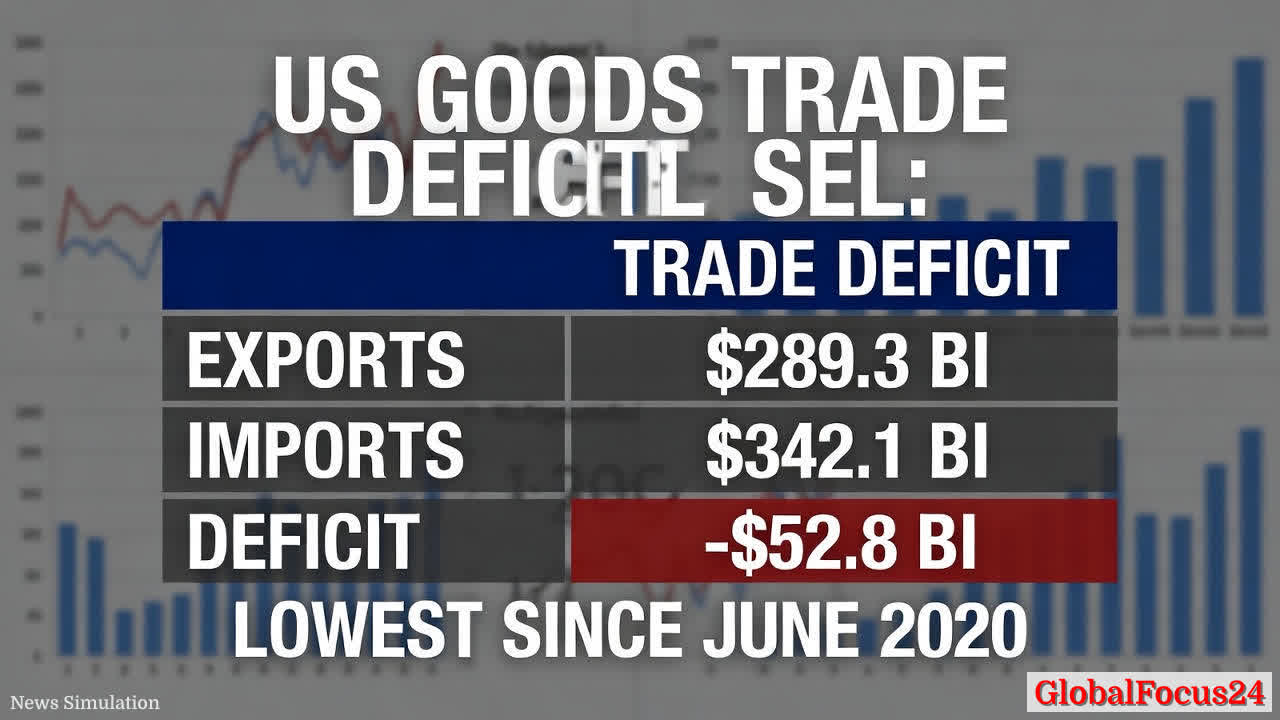
In a sign of shifting momentum in the American economy, the United States recorded a substantial narrowing of its goods trade deficit in September, the most pronounced reduction since mid-2020. The balance of trade in goods narrowed by $6.5 billion, an 11% improvement, to -$52.8 billion. This development arrives amid a complex backdrop of steady export gains, modest import growth, and broader inflation dynamics that continue to influence trade patterns for businesses and policymakers alike.
Robust export growth lifts thenumbers U.S. exports climbed to $289.3 billion in September, an increase of $8.4 billion, or 3%, marking the second-highest monthly export value on record. The surge is notable not only for its magnitude but for the sectors propelling it. A pronounced rise in gold and pharmaceutical exports helped to compress the trade deficit, underscoring how shifts in commodity markets and specialized manufacturing can alter the balance of trade even when broader demand remains constrained by domestic price pressures.
On a sectoral basis, gold’s role as a strategic commodity for export receipts reflects both investor demand and the resilience of precious-metal markets to global price swings. Pharmaceutical exports, supported by a robust life sciences sector and competitive manufacturing costs, stand out as a durable source of export strength. Taken together, these categories illustrate how dynamic, high-value goods can offset weakness in other areas of trade, a pattern that could persist if supply chains remain diversified and global demand for high-end products remains robust.
Moderate import growth indicates a rebalancing Imports rose by $1.9 billion, or 0.6%, to $342.1 billion. While any increase in imports contributes to a larger nominal trade deficit, the year-to-date context matters. The modest uptick suggests cooler domestic demand for certain consumer and intermediate goods, alongside ongoing supply-chain adjustments that influence import intensity. Importantly, the smaller increase contrasts with earlier periods of rapid growth, hinting at a potential rebalancing in U.S. household and business purchasing behavior as inflation eases and consumer sentiment stabilizes.
Historical context: a five-year horizon for a shrinking deficit Economists often monitor the goods trade deficit in an annual cycle, but the September data contribute to a longer historical arc. When inflation cools and global supply chains normalize, the U.S. typically experiences shifts in both exports and imports that reflect competitive dynamics, currency movements, and geopolitical developments. The September improvement translates into a broader trend: inflation-adjusted, the merchandise trade deficit stood at -$79 billion, the lowest level seen in nearly five years. This adjustment underscores how price normalization and currency valuations interact to shape real trade outcomes, independent of nominal dollar totals.
From March 2025 onward, the deficit has narrowed by $83.6 billion, or 61%. This sizeable improvement over a short span points to structural changes in the U.S. trade portfolio, including diversification of export markets, intensified manufacturing activity in strategic sectors, and more selective import composition as businesses recalibrate inventory and production schedules. While the deficit remains substantial, the trajectory hints at a rebalancing that could influence macroeconomic policy, including considerations around industrial policy, supply chain resilience, and currency dynamics.
Regional comparisons: how states and regions fit into the national picture Trade patterns often reveal regional strengths and vulnerabilities. In September, states with robust precious metals processing, mining, and pharmaceutical manufacturing contributed to export growth, while regions with strong consumer goods production experienced stabilizing import levels. The shift toward high-value goods for export aligns with a broader regional strategy to leverage specialized industries that are less sensitive to short-term price fluctuations in general merchandise. Meanwhile, port areas and inland distribution hubs have continued to adapt to changing demand patterns, highlighting the importance of logistics capacity in sustaining export momentum and controlling import costs.
Economic impact: implications for growth, workers, and inflation The narrowing trade deficit has several potential implications for the broader economy. A smaller deficit reduces some downward pressure on the domestic output gap, potentially supporting GDP growth through improved net exports. For workers, the uptick in export activity—especially in sectors like precious metals and pharmaceuticals—can bolster manufacturing employment and related services as firms expand production, invest in capital improvements, and optimize supply chains to serve international customers.
From an inflation perspective, the deficit's improvement may contribute to a gradual easing of imported inflation pressures, provided the dollar's strength remains relatively stable and global commodity markets stay balanced. As domestic producers compete more effectively abroad, price dynamics could normalize further, easing some of the cost pressures facing households and businesses.
Public reaction and market outlook: a cautious watch on the trajectory Markets typically respond to trade balance data with sensitivity to future expectations. While the September figures reflect positive momentum, analysts emphasize that sustained improvement will depend on a combination of global demand, currency movements, and domestic policy signals. Investors will be watching for continued export growth in high-value sectors, as well as any shifts in import patterns tied to consumer demand, housing, and industrial activity.
Looking ahead, forecasters suggest that the U.S. trade balance could continue to improve if manufacturers capitalize on competitive advantages, diversify supply chains, and expand access to international markets. Policymakers may also consider how trade finance, tariff policies, and regulatory frameworks influence cross-border flows and the ability of domestic firms to compete on price, quality, and delivery times.
Policy context: shaping future trade dynamics Trade data do not exist in a vacuum. They are influenced by fiscal and monetary policy, economic stimulus measures, and international relations that affect tariff regimes, free-trade agreements, and non-tariff barriers. As the U.S. economy evolves, policymakers weigh strategies to strengthen supply chains, encourage innovation in high-value manufacturing, and maintain a competitive currency environment. The September deficit improvement adds to a growing narrative that strategic investments in export-oriented sectors can yield tangible gains in the current account, while allowing the domestic economy to absorb shocks without triggering excessive inflation.
Global comparison: where the U.S. stands Compared with other large economies, the United States demonstrates resilience in its export mix, aided by a diversified portfolio that includes precious metals, pharmaceuticals, and technology-enabled goods. Regional competitors with similar manufacturing bases often exhibit analogous patterns: a rise in high-value exports can counterbalance fluctuations in commodity prices and consumer imports. The evolving global trade landscape, characterized by shifting supply chains and regional trade realignments, underscores the importance of maintaining open markets while ensuring domestic industries remain competitive on quality, speed, and cost.
Narrative takeaway: a moment of tempered optimism The September readings reflect a cautious optimism for the U.S. trade position. Although the deficit remains substantial, the magnitude of improvement—driven by a strong export surge and careful import management—offers a blueprint for how targeted sector strengths can reshape the current account. As the economy navigates ongoing price normalization and global demand dynamics, the next several months will be pivotal in determining whether these gains translate into sustained macroeconomic stability and quieter inflation, or whether new headwinds emerge that test the durability of the current trajectory.
Bottom line
- The goods trade deficit declined to -$52.8 billion in September, the smallest since June 2020.
- Exports rose to $289.3 billion, marking a 3% increase and the second-highest monthly total on record.
- Imports edged up by 0.6% to $342.1 billion, signaling a measured domestic demand environment.
- Inflation-adjusted measures show the merchandise trade deficit at -$79 billion, the lowest in nearly five years.
- The September improvement builds on a March-to-September arc of stronger trade performance, with sectoral tailwinds from gold and pharmaceutical exports contributing to the narrowing gap.