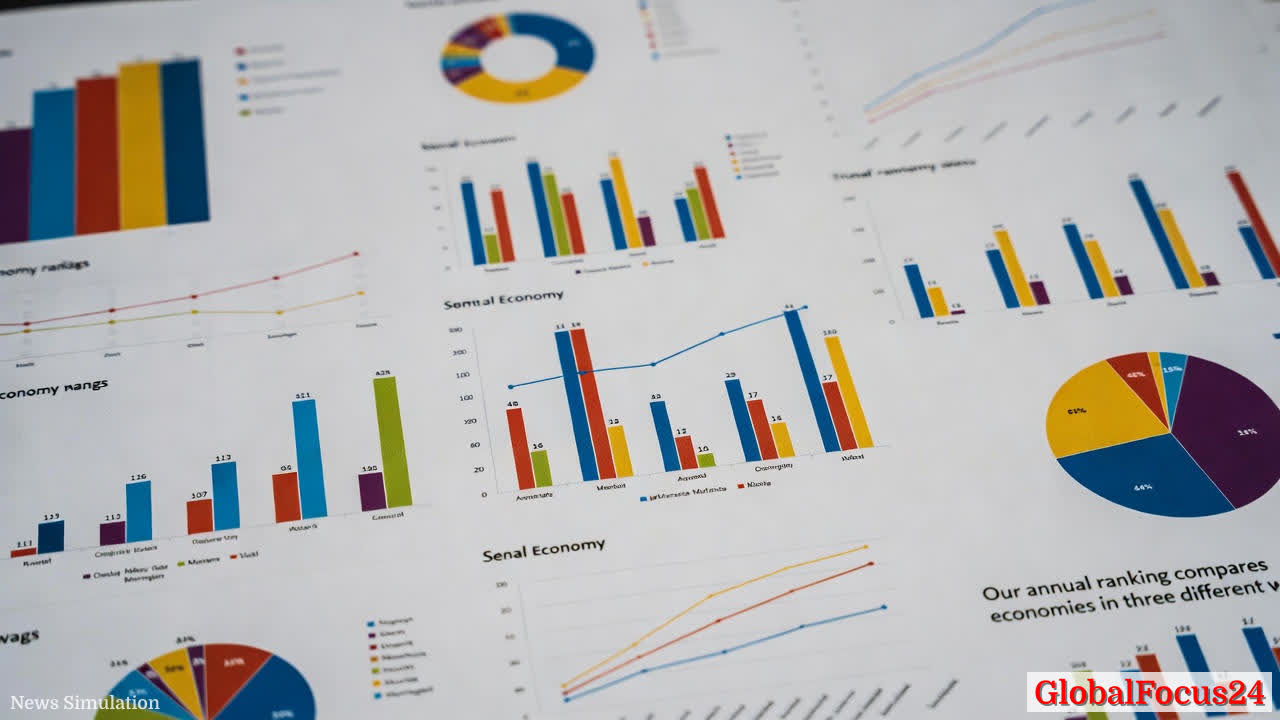
)Global Economic Shifts Drive Regional Growth and Transformation Across Markets
In an era of interconnected markets, economies worldwide are evolving through a trio of interwoven forces: productivity gains, trade dynamics, and evolving consumer demand. As regions navigate post-pandemic recovery, digitization, and shifting supply chains, observers are paying closer attention to how these factors translate into real-world outcomes—employment, investment, and long-term resilience. This article provides historical context, examines current economic impacts, and draws regional comparisons to illuminate the path forward for policymakers, businesses, and workers.
Historical context: seeds of today’s economy
- Industrial revolutions and the modernization of infrastructure laid the groundwork for today’s globalized commerce. The move from agrarian-based economies to manufacturing hubs created enduring patterns of urbanization, skilled labor demand, and regional specialization. These shifts established the framework within which current growth cycles unfold, including the importance of transport networks, energy markets, and city-centric innovation clusters.
- The late 20th and early 21st centuries magnified cross-border trade and investment, accelerating the transfer of technology and best practices. Regions that built inclusive institutions, reliable governance, and investment in human capital often enjoyed faster convergence with advanced economies. This historical trajectory helps explain why some regions rebound quickly after downturns while others face longer recovery periods.
Economic impact: under the hood of growth
- Gross output and employment channels. When a region launches a major project—whether a new manufacturing complex, a digital services hub, or a green-energy facility—the direct effects include construction activity, initial hiring, and increased demand for local services. Indirect effects ripple through supplier networks, logistics, and ancillary industries, while induced effects arise as newly employed residents spend incomes within the community. The combined effect shapes overall economic output and tax revenues, influencing public investment capacity and fiscal stability. These dynamics are central to understanding how economic impact analyses inform policy and investment decisions.
- Fiscal implications and value-added. Economies measure value-added to gauge the net contribution of industries after intermediate inputs are accounted for. The fiscal component—tax receipts, social contributions, and public spending capacity—depends on employment levels, wages, and productivity. Regions that optimize value-added through a mix of high-skilled industries and supportive infrastructure tend to experience healthier public finances, enabling more robust public services and investments in education, transportation, and research.
- Productivity, automation, and skill requirements. Technological advancement raises productivity but also reshapes the job mix. Automation can substitute routine tasks while creating demand for advanced manufacturing, data analysis, and design roles. Regions that invest in retraining and lifelong learning programs equip workers to transition into higher-value roles, reducing long-run unemployment volatility and widening the pathway to sustainable wage growth.
- Global value chains and resilience. Global supply chains remain central to regional prosperity, yet disruptions—whether due to health crises, geopolitical tensions, or climate events—underscore the need for resilience. Economies that diversify suppliers, cultivate domestic capacities in critical goods, and maintain strategic reserves tend to sustain more stable output during shocks. This principle has become a cornerstone of modern economic planning and risk assessment.
Regional comparisons: how different markets are faring
- North America. In major metropolitan regions, investment in infrastructure, green technologies, and advanced manufacturing has supported steady job growth and rising productivity. Regions with diversified industry bases—combining tech, life sciences, and logistics—tend to weather downturns more effectively. The pace of wage growth often tracks with skills availability, housing affordability, and access to capital for small and medium-sized enterprises.
- Europe. Across European economies, the push toward energy transition and digitalization has reshaped investment patterns. Countries with strong vocational training systems, robust research ecosystems, and efficient regulatory environments have leveraged European funding programs to accelerate innovation. The balance between public investment and private sector dynamism influences regional disparities, particularly between coastal hubs and interior regions.
- Asia-Pacific. The region continues to anchor global manufacturing and technology supply chains, with rapid digital adoption and expanding consumer markets. Countries investing in semiconductor capability, green energy, and high-tech services report notable gains in productivity and export competitiveness. Urban centers focused on research and development attract talent and capital, reinforcing growth cycles and regional spillovers.
- Latin America and the Caribbean. Growth in these regions hinges on diversification, export competitiveness, and macroeconomic stability. Investments in logistics corridors, agribusiness value chains, and tourism-related infrastructure can drive employment and regional integration. Policymakers often emphasize stabilizing monetary policy and improving governance to attract long-term investment.
Economic drivers shaping the near term
- Investment cycles and capital allocation. Business investment tends to accelerate when there is clarity around policy direction, stable macroeconomic conditions, and accessible financing. Public-private partnerships have emerged as a common vehicle to fund infrastructure and social projects, leveraging private sector efficiency while delivering public value.
- Trade and tariff environments. The global trade landscape continues to influence regional competitiveness. Tariff regimes, supply chain diversification, and regional trade agreements shape where capital flows and production capacity expand. Regions that adapt to changing trade rules by upgrading infrastructure, reducing logistics costs, and simplifying customs procedures typically secure stronger growth trajectories.
- Demographics and consumer demand. Population aging, urbanization, and rising middle-class incomes in many regions have shifted demand toward healthcare services, housing, and digital-enabled experiences. Businesses responding to these trends with tailored products and services often capture a larger share of expanding domestic markets.
Public reaction and social considerations
- Perceptions of opportunity and risk. As investment projects take shape, local communities often experience heightened expectations tied to job creation and improved services, tempered by concerns about housing affordability, congestion, and environmental impact. Transparent communication, stakeholder engagement, and clear long-term planning help sustain public trust and maximize positive outcomes.
- Environmental and social governance. Investors increasingly consider environmental and social governance criteria when evaluating opportunities. Regions with strong governance frameworks and clear sustainability standards attract capital from global funds focused on responsible investing. This trend reinforces the link between long-term growth and sustainable development.
Key indicators to watch
- Employment and wage metrics. Job growth, unemployment rates, and median wages provide a snapshot of labor-market health and the distribution of benefits across regions. Tracking these indicators helps assess whether growth is inclusive and whether skill development programs are translating into meaningful wage gains.
- Productivity and output. Total factor productivity, output per hour worked, and industry-specific productivity measures reveal the efficiency gains driving competitiveness. Sustained productivity improvements often precede durable wage growth and higher living standards.
- Investment and capital stock. Increases in fixed capital formation, new plant and equipment, and infrastructure assets signal confidence in future demand. A rising capital stock supports longer-term capacity and resilience against shocks.
Case studies: illustrative examples
- A coastal tech hub investing in data centers and semiconductor testing facilities. This scenario highlights how specialized infrastructure can attract high-skilled labor, boost ancillary services, and expand regional tax bases. The resulting multiplier effects extend beyond direct employment, benefiting education providers, healthcare, and housing markets as demand grows.
- An inland logistics corridor linking agricultural production to international markets. Here, improvements in road and rail capacity, cold-chain logistics, and customs processing reduce transportation costs and shorten lead times. The economic impact includes lower production costs for exporters, improved supply chain reliability, and broader regional integration.
- A green-energy transition program in a former industrial region. Investments in wind and solar projects, battery storage, and grid modernization can create substantial employment opportunities while accelerating decarbonization. The public sector’s role in enabling permitting, subsidies, and workforce training is pivotal to achieving positive outcomes.
Implications for policy and planning
- Balanced growth strategies. A mix of manufacturing, services, and knowledge-intensive industries helps stabilize regional economies against sector-specific downturns. Strategic diversification reduces vulnerability to shocks and supports steady job creation.
- Workforce development. Proactive retraining and education initiatives align skills with evolving employer needs. Strong partnerships between schools, apprenticeship programs, and industry players ensure a steady pipeline of qualified workers.
- Infrastructure as a catalyst. Investments in transportation, digital connectivity, energy, and water resources underpin productivity and competitiveness. Well-planned infrastructure projects can generate long-term value by enabling efficient markets and attracting investment.
Public communication and transparency
- Clear storytelling of economic benefits. Communicating the expected economic impacts, timelines, and measurement methodologies helps communities understand how projects translate into tangible gains. Transparent reporting builds trust and encourages broader participation in local development efforts.
- Local engagement and feedback loops. Ongoing dialogue with residents, business leaders, and civil society organizations ensures projects remain responsive to community needs. Feedback mechanisms enable adjustments that maximize positive outcomes and minimize disruptions.
Conclusion: navigating a dynamic economy The modern economy operates as a web of interconnected factors—technology, trade, demographics, and policy—that together determine regional prosperity. By analyzing direct, indirect, and induced effects, regions can forecast economic outcomes, guide investment, and design programs that support inclusive growth. Historical precedents underscore the importance of resilient institutions, diversified industries, and robust human capital development in sustaining long-term progress. As markets adapt to rapid change, the ability to measure impact, communicate clearly, and respond with agility will shape the next era of regional advancement.