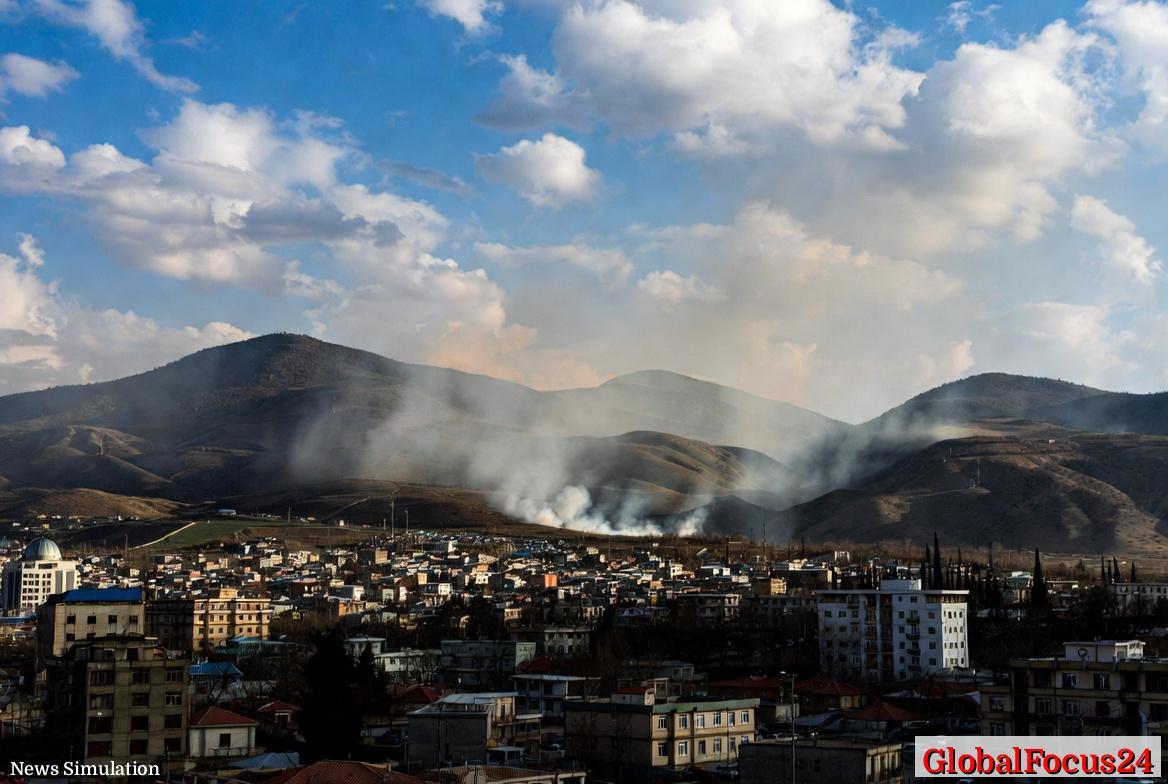
Israel-Hizbollah Frontline: Security Operations, Regional Impact, and the Path to Stability
In the mountains and valleys along Israel’s northern border, a new rhythm of conflict has taken hold. Israeli forces persist with intensive operations against Hezbollah in southern Lebanon, while the Iran-backed group continues to mount a persistent, if increasingly constrained, response. The evolving balance of power on the Lebanon front, the ongoing civilian toll, and the broader regional implications are shapings, markets, and daily life across border communities.
Historical Context and the Echoes of a Long-standing Rivalry The border between Israel and Lebanon has long been a flashpoint in the Middle East. After decades of intermittent clashes, the 1980s and 1990s brought a complex fusion of state actors, militias, and proxy dynamics. Hezbollah emerged in the early 1980s as a powerful Shiite political-military movement with strong organizational ties to Iran, and it quickly established itself as a formidable force along Lebanon’s southern border. Israel’s subsequent security doctrine centered on preventing cross-border attacks while maintaining the ability to strike at militant infrastructure and leadership nodes when threats materialized.
Over the years, the conflict has ebbed and flowed with shifting alliances and regional recalibrations. The current phase underscores a broader strategic calculus: Israel seeks to neutralize Hezbollah’s capacity to threaten northern towns and critical infrastructure, while Hezbollah aims to deter Israeli incursions and preserve its operational network. The fighting has also highlighted the enduring fragility of the Lebanon front, where displacement, civilian casualties, and humanitarian needs intersect with strategic imperatives.
Operational Focus and Tactical Realities on the Ground Israeli forces have deployed a multi-layered approach along the border, combining air power, intelligence-driven raids, and a cautious, corridor-based presence inside Lebanese territory designed to limit collateral damage while achieving stated security objectives. A key element of the campaign is the creation of a security buffer zone several kilometers inside Lebanon. Officials describe the buffer as a forward defense measure intended to reduce the likelihood of cross-border attacks and to create a safer environment for residents in northern Israel who have endured repeated rocket and drone threats.
Drones and aerial threats remain a persistent feature of the theater. The region’s high ground overlooking towns like Kiryat Shmona has become a repository of wreckage from downed drones, a stark visual reminder of how modern warfare blends conventional operations with advanced technology. Israeli defense systems report success in intercepting most aerial threats, though a small number still penetrate the shield, triggering warning sirens and prompting sheltering that disrupts daily life and commerce.
On the Hezbollah side, the group maintains an ability to strike with rockets and drones, though the intensity of attacks and the sophistication of its command structure have been affected by ongoing operations and regional dynamics. Hezbollah’s leadership and support networks have faced pressure from continuous targeting, logistics challenges, and the broader geopolitical landscape, including sanctions, alliances, and external political support patterns. Even with these constraints, the organization continues to posture for escalation in response to perceived threats or to preserve its regional influence.
Civilian Impact and Humanitarian Considerations The human dimension of the conflict remains urgent. Lebanese health authorities report casualties associated with the Israeli air and ground campaign, while displacement continues to shape the social fabric of southern Lebanon. In Israel, tens of thousands of residents who fled or sought shelter near the border are navigating a difficult return process as security assessments progress. The interplay between military necessity and civilian welfare is a central concern for policymakers, humanitarian agencies, and community leaders who must balance rapid decision-making with careful protection of civilians.
Regional ramifications extend beyond the immediate border zone. Markets in northern Israel and adjacent Lebanese towns experience fluctuations tied to perceived risk, supply chain disruptions, and investor sentiment about the stability of the Levant. Local businesses, from retailers to service providers, have adapted to the volatility by adjusting staffing, logistics, and inventory strategies. In Lebanon, the broader economic crisis—already battered by protracted instability—compounds the suffering of communities affected by border tensions.
Economic Impact and Cross-Border Linkages The northern frontier has long functioned as a conduit for cross-border trade, labor flows, and regional supply chains. Conflict-related disruptions reverberate through these channels, influencing prices, investment confidence, and the ability of small and mid-size firms to forecast demand. Key sectors affected include:
- Trade and logistics: Border closures, heightened security checks, and intermittent respite periods influence trucking routes, customs procedures, and near-border markets. The resulting risk re-prices certain goods and can slow regional commerce.
- Tourism and services: Perceptions of risk dampen travel to border towns and destinations that would ordinarily benefit from cross-border visitation. Local hospitality and hospitality-support industries feel the impact through reduced footfall and longer recovery timelines.
- Energy and infrastructure: While the immediate conflicts do not typically target large-scale energy facilities, regional stability remains a critical factor in energy pricing, grid reliability, and investment in resilience projects along the border corridor.
- Banking and investment: Market participants monitor risk premia associated with the Lebanon-Israel front, adjusting portfolios and hedging strategies to reflect geopolitical uncertainty and potential supply chain adjustments.
Regional Comparisons: Parallels and Lessons The northern front shares characteristics with other border theaters where state forces face irregular actors and where civilian protection, deterrence, and escalation management converge. For example, along some other contested frontlines, buffer zones—both formal and de facto—have historically served as mechanisms to reduce cross-border risk while preserving legitimate security objectives. The interplay between aerial defense systems and ground operations mirrors patterns seen in other regions where layered defense and continuous intelligence gathering aim to minimize civilian harm while preserving strategic options.
In neighboring regions where security forces confront militant networks, the balance between offsetting threats and maintaining humanitarian norms becomes a constant negotiation. Lessons from these comparisons emphasize the importance of credible, proportionate actions, transparent communication with affected populations, and reliable humanitarian access to those in need. The current situation underscores the value of credible deterrence coupled with a commitment to minimizing unintended consequences.
Diplomacy, Pause Efforts, and the Path to De-escalation Diplomatic efforts to broker a broader regional pause have yet to bridge the Lebanon front with other regional tensions. Israel has articulated that the threat from Hezbollah requires a separate resolution framework, reflecting the complex web of security concerns, alliances, and strategic calculations that characterize the Levant. While negotiations continue in various formats, the absence of a comprehensive ceasefire highlights the ongoing challenge of aligning military objectives with diplomatic pathways.
Public Reaction and Community Resilience Across border towns, residents adapt to the enduring uncertainty with a blend of vigilance and resilience. Community leaders, local authorities, and humanitarian organizations emphasize the importance of reliable information, shelter readiness, and access to essential services. The public’s response—marked by timely compliance with safety instructions, organized evacuation planning, and mutual aid networks—illustrates a shared commitment to safeguarding life and maintaining social cohesion in the face of regional volatility.
Operational Updates and Security Environment
- Military posture: Israeli forces maintain a robust forward presence along key sectors of the border, supported by intelligence assets and air defense systems designed to intercept a wide array of aerial threats.
- Defensive measures: The security buffer zone inside Lebanese territory represents a preventative measure intended to reduce cross-border risk and create breathing space for civilian populations on both sides.
- Militant activity: Hezbollah continues to conduct rocket and drone operations in response to ongoing pressure, with command structures adapting to battlefield dynamics and external constraints.
- Humanitarian access: International and local agencies monitor conditions and work to ensure aid reaches displaced populations, healthcare facilities, and vulnerable communities affected by the fighting.
Looking Ahead: What to Watch
- Escalation thresholds: Analysts will watch for any shifts in the intensity or geographic scope of cross-border strikes, as well as changes in Hezbollah’s operational planning.
- Humanitarian corridors: The continuation of safe, reliable humanitarian access will be crucial for meeting urgent needs in southern Lebanon and surrounding areas.
- Economic signals: Energy prices, exchange-rate stability, and regional investment sentiment will reflect how markets perceive the risk profile of the Levant front.
- Diplomatic momentum: The trajectory of negotiations and any emerging security arrangements will influence the potential for de-escalation or a renewed cycle of confrontation.
Conclusion The northern border remains a focal point of regional security concerns, where a disciplined campaign by Israeli forces seeks to degrade militant capabilities while safeguarding civilian life and facilitating the return of displaced residents. Hezbollah’s response continues to shape the tempo of the conflict, influenced by strategic calculations, external backing, and the realities of a volatile geopolitical landscape. As regional actors weigh interests, the urgent priority for governments, international organizations, and local communities is to sustain humanitarian access, signal a credible commitment to restraint, and pursue pathways toward a more stable equilibrium along the Lebanon-Israel frontier.