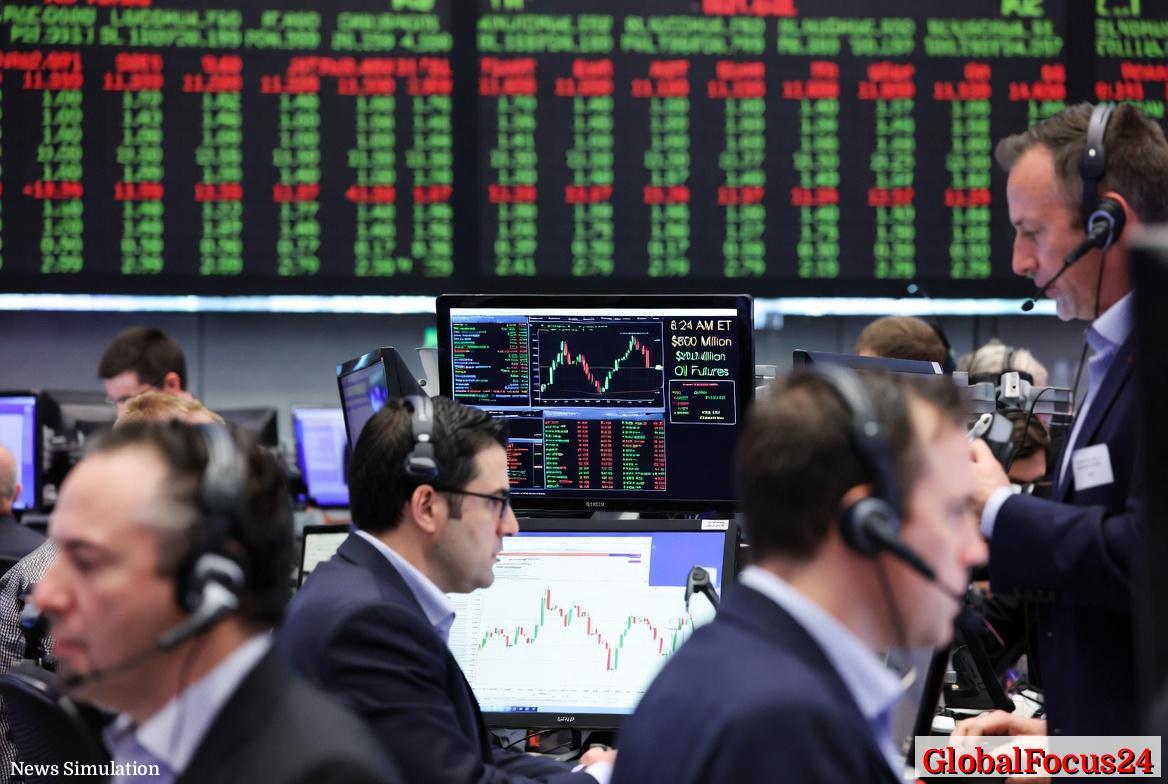
Oil Prices Plunge After Swift Strait of Hormuz Reopening Triggers $70 Million Trading Windfall
Rapid Market Shift Follows Strategic Announcement
Global oil markets experienced a sharp and sudden decline yesterday morning after Iran’s Foreign Minister Abbas Araghchi announced that the Strait of Hormuz was fully open to maritime traffic. The declaration, made at 8:45 AM ET, came just 21 minutes after traders had entered a large short position in oil futures valued at nearly $800 million.
By 9:10 AM ET, benchmark oil prices had dropped to approximately $80 per barrel, marking their lowest level since March 10. The swift movement generated an estimated $70 million in profits for traders who had bet on declining prices, highlighting the sensitivity of energy markets to geopolitical developments in critical transit corridors.
The sequence of events underscores how tightly interconnected political announcements and commodity trading strategies have become in an era of real-time global communication and high-frequency financial activity.
Strategic Importance of the Strait of Hormuz
The Strait of Hormuz remains one of the most vital chokepoints in global energy supply. Located between Oman and Iran, the narrow waterway facilitates the passage of roughly 20% of the world’s petroleum consumption. Any disruption—or perceived disruption—to traffic in this corridor can send shockwaves through global markets.
Historically, tensions in the region have led to sharp price spikes. During periods of heightened geopolitical friction, including the late 1980s “Tanker War” and more recent standoffs in the 2010s, oil prices have reacted quickly to threats against shipping routes.
The announcement that the strait was “completely open” effectively removed a significant layer of risk premium that had been built into oil prices in recent weeks. Traders who anticipated such a development positioned themselves accordingly, capitalizing on the rapid repricing that followed.
Timing and Market Reaction
The timing of the short position—entered at 8:24 AM ET—has drawn attention across financial circles. Within minutes, the market began to move as news of the reopening spread. By 9:10 AM ET, oil prices had fallen sharply, reflecting a sudden shift in supply expectations and reduced geopolitical risk.
Such rapid price adjustments are not uncommon in modern commodity markets, where algorithmic trading systems and institutional investors react within seconds to new information. However, the scale and precision of this move stand out.
Key factors contributing to the sharp decline included:
- Removal of supply disruption fears tied to restricted maritime access.
- Increased confidence in stable oil shipments from Gulf producers.
- Immediate recalibration of futures contracts to reflect lower risk premiums.
- High liquidity in early trading hours, amplifying price movements.
The result was a near-instantaneous repricing of oil, with significant financial gains for those positioned on the short side of the market.
Economic Implications of Lower Oil Prices
The drop to $80 per barrel carries broad economic implications, particularly for energy-importing nations. Lower oil prices typically translate into reduced fuel costs, easing inflationary pressures and providing relief to consumers and industries dependent on energy inputs.
For major importing regions such as Europe and parts of Asia, the decline may support economic stability amid ongoing concerns about growth and energy security. Lower transportation and manufacturing costs can have a cascading effect across supply chains, potentially improving margins for businesses and reducing end-user prices.
In the United States, falling oil prices often correlate with lower gasoline prices, which can influence consumer spending patterns. However, the benefits are not evenly distributed. Domestic energy producers may face reduced revenues, particularly those operating in higher-cost extraction environments such as shale formations.
Impact on Oil-Producing Nations
While consumers may benefit from lower prices, oil-exporting countries could face fiscal challenges. Many producers rely heavily on oil revenues to fund government budgets and infrastructure projects. A sustained decline in prices can strain public finances, especially in countries with higher break-even costs.
Middle Eastern producers, including Saudi Arabia and the United Arab Emirates, have historically adjusted output levels through coordinated production strategies to stabilize markets. The reopening of the Strait of Hormuz may reduce immediate pressure, but price volatility remains a key concern.
In contrast, countries with diversified economies or sovereign wealth funds may be better positioned to absorb short-term fluctuations. The current price level, while lower than recent highs, remains within a range that many producers can manage, though prolonged declines could prompt policy adjustments.
Regional Comparisons and Market Sensitivity
The reaction to the Strait of Hormuz announcement highlights regional differences in how energy markets respond to geopolitical developments.
In North America, where domestic production has increased significantly over the past decade, the market tends to be less directly affected by Middle Eastern supply disruptions. However, global pricing benchmarks still influence domestic markets, ensuring that international events remain highly relevant.
In Europe, dependence on imported energy makes the region particularly sensitive to changes in global supply dynamics. The reopening of a critical transit route can have immediate implications for energy security and pricing stability.
Asian markets, especially in countries like China, Japan, and South Korea, are among the largest consumers of Middle Eastern oil. For these economies, the Strait of Hormuz is a lifeline, and any assurance of uninterrupted flow is likely to have a stabilizing effect on both markets and policy planning.
Historical Context of Market Volatility
Oil markets have long been characterized by volatility driven by geopolitical events, supply disruptions, and shifts in demand. The events of yesterday echo previous instances where sudden announcements or developments triggered rapid price movements.
For example:
- In 2019, attacks on oil infrastructure in Saudi Arabia caused prices to spike dramatically within hours.
- During the early stages of the COVID-19 pandemic in 2020, demand collapse led to unprecedented price declines, including negative futures prices for U.S. crude.
- In 2022, geopolitical tensions in Eastern Europe contributed to sustained price increases due to supply concerns.
These episodes illustrate how quickly market sentiment can shift and how traders seek to anticipate and capitalize on such changes.
Role of High-Speed Trading and Market Intelligence
The speed at which the $800 million short position was executed and monetized reflects the growing role of advanced analytics and real-time intelligence in financial markets. Traders increasingly rely on sophisticated models that incorporate geopolitical signals, shipping data, and news feeds to inform their strategies.
High-frequency trading platforms can execute large transactions in fractions of a second, allowing market participants to respond almost instantaneously to new information. This capability has transformed the nature of commodity trading, making it more dynamic but also more susceptible to rapid swings.
At the same time, the reliance on timely and accurate information underscores the importance of transparency and communication in global markets. Announcements from key officials, such as Iran’s foreign minister, can have immediate and far-reaching effects.
Outlook for Oil Markets
While the immediate impact of the Strait of Hormuz reopening has been a sharp price decline, the longer-term outlook for oil markets remains uncertain. Factors that could influence future price movements include:
- Ongoing geopolitical developments in the Middle East.
- Production decisions by major oil-exporting countries.
- Global economic growth and energy demand trends.
- Transition efforts toward renewable energy sources.
Market participants will continue to monitor these variables closely, with an understanding that conditions can change rapidly.
The events of yesterday serve as a reminder of the complex interplay between geopolitics and global energy markets. As traders, policymakers, and consumers navigate this landscape, the ability to adapt to sudden shifts remains essential.