Silver Rally at the Forefront: Demand, Deficits, and Global Impacts
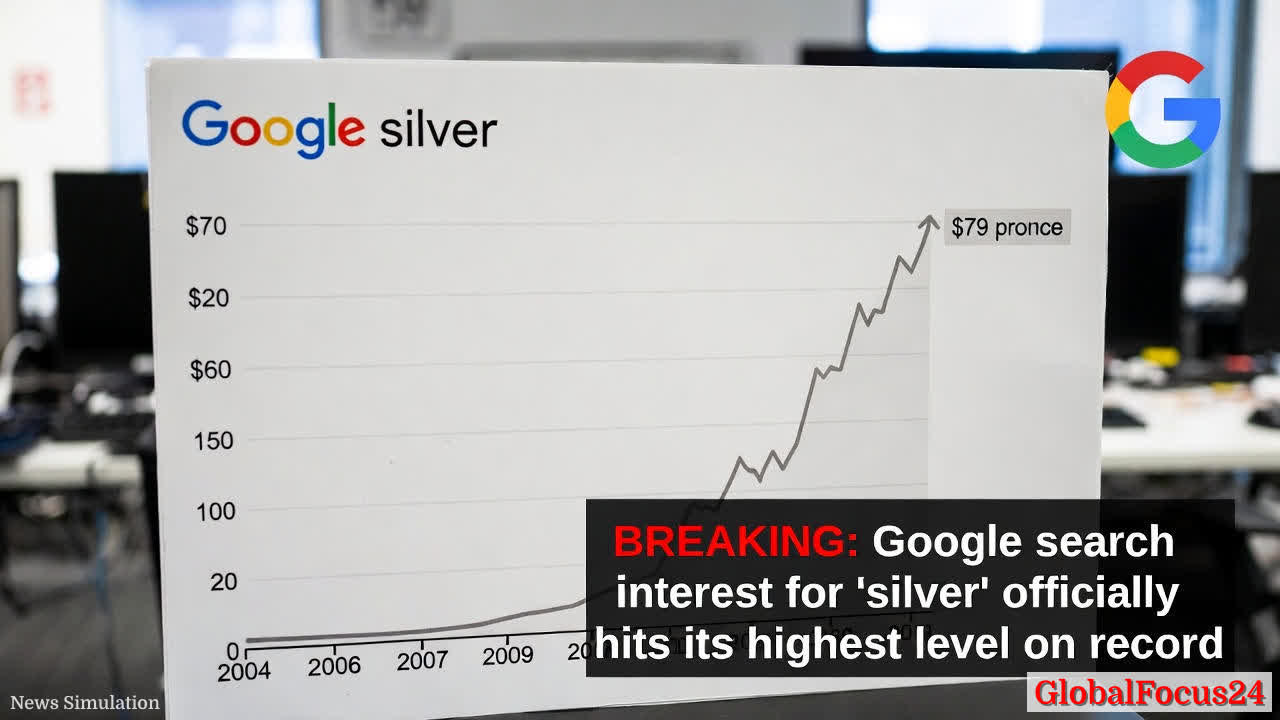
Public interest in silver has surged to levels rarely seen in the modern era. As early Sunday morning data show, search interest in the term “silver” is at a record high, underscoring a broader wave of attention surrounding the precious metal. The moment mirrors a concurrent rise in silver prices, which have approached annual highs near an all-time peak, driven by a complex mix of supply constraints, industrial demand, and investor sentiment. This article examines the historical context, the economic implications, and regional dynamics shaping this sustained silver rally, while offering practical insights for households, businesses, and policymakers.
Historical backdrop: a metal with a long memory Silver has always occupied a dual role in global markets. On one hand, it remains a critical industrial input, embedded in electronics, solar energy, medical devices, and countless other technologies. On the other hand, it functions as a financial asset—an accessible, tangible store of value that investors often turn to when traditional markets exhibit volatility or when inflationary pressures mount. The modern price journey of silver reflects these twin identities. In the 20th and early 21st centuries, silver prices moved in tandem with broader commodity cycles, occasionally spiking during shocks to the economy or shifts in monetary policy. The latest surge, however, is amplified by a convergence of supply constraints and robust industrial demand, particularly from green technologies and consumer electronics.
Economic drivers: supply, demand, and a changing energy transition Several interlinked forces are propelling silver higher. First, supply constraints persist. The Silver Institute and other market observers point to persistent deficits in global silver production relative to demand. A fifth consecutive annual deficit of roughly 100 million ounces has been anticipated by researchers, suggesting a structural tightness in the market. Such constraints matter because silver’s industrial use is broad and growing—especially in sectors pursuing decarbonization. Photovoltaic cells in solar panels, semiconductors in electronics, electrical contacts, and advanced materials for energy storage all rely on silver’s unique combination of conductivity and durability. When supply cannot keep pace with demand, inventories tighten and prices rise, feeding further market interest.
Second, industrial demand is expanding alongside the green-energy transition. As solar and wind installations scale up worldwide, so does the need for silver, which remains a key material in photovoltaic modules. The growth of electric vehicles (EVs) and the broader electronics ecosystem also adds to consumption. This industrial demand tends to be relatively stable compared to purely speculative markets, providing a floor of fundamental support for silver prices even during periods of volatility in other commodities.
Third, investor sentiment and macroeconomic conditions contribute to price dynamics. In recent years, investors have increasingly viewed silver as a leveraged play on inflation, currency depreciation, and the potential for demand surprises in metallic assets. Heightened interest from retail and institutional investors alike sends buying pressure through futures markets, exchange-traded products, and other instruments. While speculative activity can amplify short-term moves, the longer-term trajectory is anchored by physical demand and the balance of supply.
Regional dynamics: markets across the globe The current silver rally carries different implications depending on where you are in the world. In mining hubs and regions with significant refining capacity, higher prices can support exploration and development activities, potentially renewing investment in local economies. Countries that rely on mining as a major employer may experience improved fiscal revenues, yet they also face the challenges of environmental regulation and commodity price volatility. In consumer markets, higher silver prices translate into cost considerations for manufacturers and downstream users. For example, solar module producers must manage material costs carefully to maintain competitive pricing, while electronics manufacturers assess the impact on product margins.
From a regional perspective, Asia remains a central arena for silver demand growth, supported by an expanding electronics sector and rapid adoption of solar technologies. Europe, with its aggressive renewable-energy targets and policy incentives, also drives sustained consumption of silver in industrial applications. North America, balancing a robust manufacturing base and strategic reserves, continues to weigh the implications for supply chains and price stability. The interconnectedness of these regions means that a shift in silver fundamentals in one major market can ripple through global supply chains and consumer prices.
Economic impact: downstream effects on businesses and households For manufacturers, rising silver prices can compress margins in sectors where silver is a material input, particularly in solar panel production and electronics manufacturing. Companies may respond by pursuing efficiency gains, sourcing alternative materials, or passing costs to end consumers where permitted by competitive dynamics. In the solar industry, higher material costs could influence module pricing and project economics, potentially affecting deployment timelines and the pace of capacity additions. Policymakers may monitor these developments as well, since solar adoption remains a critical component of climate strategies and energy security goals.
Investors, meanwhile, may view silver as a hedge or speculative opportunity. The metal’s dual nature—as both a commodity and an asset—appeals to a broad audience seeking diversification. Yet investors should be mindful of price volatility and the synergies with broader financial conditions, including interest rates, currency movements, and the performance of related assets like gold and other industrial metals. A balanced approach that considers both short-term momentum and long-term fundamentals tends to serve portfolios better than reactions driven bys alone.
Public reaction and behavioral trends Public interest in silver typically surges during periods of price strength or when industrial demand remains robust. The current spike in search interest signals heightened curiosity and potential front-of-mind awareness about the metal’s role in technology and finance. Consumers and small businesses may respond in practical ways—such as reconsidering investment allocations, assessing the cost-benefit of solar or EV projects, or evaluating jewelry and medical supply prices where silver use is less central but contextually relevant. Media coverage, analyst commentary, and market dashboards can amplify awareness, shaping expectations and, in turn, influencing buying or selling behavior across markets.
Historical comparisons: lessons from previous cycles Past price cycles for silver offer helpful benchmarks for evaluating current movements. While every cycle has unique drivers, patterns emerge around supply discipline, technological adoption, and macroeconomic shocks. During periods of rising inflation or currency stress, silver has often attracted interest as a tangible asset with utility value. In contrast, during disinflation or steady-state growth, price appreciation may moderate as substitution effects and efficiency gains temper demand. The current cycle appears to combine resilient industrial demand with investor interest, creating a more layered demand profile than some earlier episodes.
Key considerations for readers and stakeholders
- For investors: Diversification matters. Silver can complement a broader precious metals or commodities strategy, but it's essential to consider liquidity, storage costs, and the potential for price swings that accompany commodity markets.
- For manufacturers: Monitor material costs and supply arrangements. Establishing diverse supplier relationships and exploring recycling or material efficiency can mitigate risks.
- For policymakers and regulators: Maintain visibility into supply chains and market integrity. Transparent data on production, stockpiles, and recycling rates helps market participants price risk more accurately.
- For households exploring energy transitions: Evaluate long-term savings and payback periods for solar installations or energy-efficient upgrades, taking into account potential shifts in material costs and installed capacity.
Synthesis: what to watch next The silver story is not solely about price. It reflects a broader evolution in industrial demand, energy transition progress, and the resilience of global supply networks. As economies continue to recover and expand renewable energy capacity, silver’s role as a critical industrial metal is likely to remain central. At the same time, financial markets will continue to test how investors balance inflation hedging with the realities of manufacturing costs and technology adoption projections. Observers should watch production data, recycling trends, and policy developments related to solar deployment and electronics manufacturing, all of which are plausible levers that can influence silver dynamics in the near term.
Conclusion: a metal at the crossroads of industry and investment Silver’s current ascent signals more than a momentary price spike. It marks a convergence of enduring industrial demand, constrained supply, and a broader interest from investors seeking resilience amid economic uncertainty. The trajectory will depend on how supply chains adapt, how fast solar and electronics sectors scale, and how global markets absorb shifts in inflation, interest rates, and currency values. For policymakers, businesses, and individuals, the key is to interpret the signals—recognizing silver’s dual identity as a commodity with real-world applications and as a financial asset that reflects broader economic tides.
If you’d like, I can tailor this article to emphasize a particular regional focus, industry segment, or time horizon to align with your publication needs.