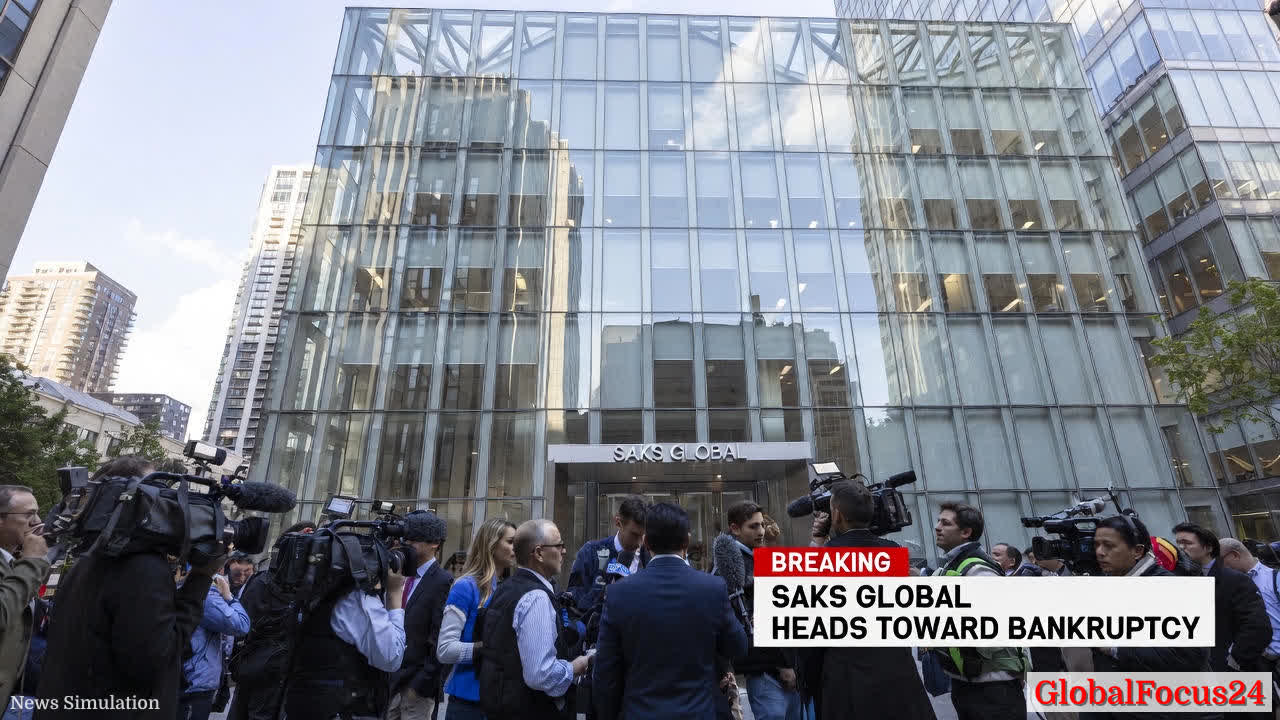
Saks Global Arises as Debt Turbulence Pushes Toward Chapter 11 Filing
New York, December 31, 2025 — Saks Global, the parent company of Saks Fifth Avenue, Saks Off 5th, Neiman Marcus, and Bergdorf Goodman, is poised to seek Chapter 11 bankruptcy protection in the coming days after missing a debt payment exceeding $100 million. The missed interest coupon, due December 30, underscores mounting liquidity pressures in the luxury retail sector as macroeconomic headwinds and shifting consumer behavior reshape the high-end shopping landscape. Executives are currently in talks with creditors to secure emergency financing, maintain operations, and preserve the core brands during an anticipated restructuring.
Historical Context: A Legacy of Luxury and Overhang from Aggressive Growth
Saks Global traces its lineage to storied American retail brands with centuries of consumer trust and tradition. Saks Fifth Avenue, founded in 1924, emerged as a pioneer in luxury department store shopping, blending curated fashion, exclusive events, and elevated service. Over the decades, the company built a reputation that drew both aspirational shoppers and luxury brand partnerships. In the late 2010s and early 2020s, the retail landscape shifted rapidly. Off-price and digital-first players intensified competition, while luxury brands increasingly pursued omnichannel strategies and direct-to-consumer channels. The acquisition of Neiman Marcus earlier this year, financed through substantial debt, reflects a broader industry trend: scale ambitions pursued through leverage in hopes of achieving cost synergies and expanded geographic reach in a fragile macro environment.
Economic Impacts: What a Chapter 11 could mean for stakeholders
- Lenders and creditors: A bankruptcy filing would structure a reorganization plan that prioritizes repayment terms, potential debt-for-equity exchanges, and the possible elimination or restructuring of onerous debt burdens. Lenders may seek to protect cash flows and maximize recoveries through court-supervised negotiations, interim financing, and liquidation or restructuring options for non-core assets.
- Retail operations: In a Chapter 11 scenario, Saks Global would look to preserve brand value and operational continuity for flagship stores while reconfiguring its store footprint, inventory levels, and cost structure. Management would face the challenge of balancing luxury consumer expectations with tighter liquidity, potentially slowing store openings and reducing discretionary investments.
- Employees and stores: Administrative actions in bankruptcy proceedings can affect staffing levels, vendor terms, and benefit programs. Yet successful restructurings often emphasize protecting frontline roles, especially in high-touch luxury service environments, to safeguard customer experience and brand reputation.
- Suppliers and brands: Luxury brands partnerships are central to Saks Global’s appeal. A restructuring would require renegotiating terms or securing new agreements to ensure a consistent supply of coveted goods and maintain store assortments that meet customer expectations.
- Consumers and market perception: The luxury retail sector is highly sensitive to consumer confidence, discretionary spending, and macroeconomic indicators. A high-profile bankruptcy process can influence shopper sentiment, potentially prompting heightened caution among luxury buyers and even affecting seasonal demand.
Regional Comparisons: Lessons from peers and adjacent markets
- United States luxury department stores: The current moment echoes broader industry pressures seen in other department-store segments, where debt-heavy consolidation strategies collide with episodic demand volatility. Market participants have observed that brands with strong omnichannel capabilities and exclusive product assortments tend to fare better during downturns, as consumers increasingly expect seamless shopping experiences across in-store and digital channels.
- Global luxury retailers: Across Europe and Asia, luxury players have weathered slower macro growth but benefited from resilient demand in key categories such as accessories and experiential offerings. Companies with diversified portfolios and robust brand ecosystems have demonstrated greater resilience, underscoring the importance of efficiency, inventory discipline, and strategic partnerships in sustaining margins.
- E-commerce acceleration: Digital shopping remains a critical counterweight to traditional department stores. Even within luxury, direct-to-consumer channels, exclusive drops, and personalized services are central to maintaining premium pricing power. A restructuring that preserves and enhances digital capabilities could help Saks Global mitigate some of the revenue volatility tied to brick-and-mortar performance.
Operational Context: Holiday Performance and Cash Flow Dynamics
The holiday season is traditionally pivotal for luxury retailers, often delivering a meaningful portion of annual cash flow. In this instance, Saks Global launched targeted campaigns and in-store experiences designed to drive traffic and convert high-value sales. However, analysts caution that even strong seasonal performances may be insufficient to offset a heavy debt load accumulated through the Neiman Marcus acquisition and related financing arrangements. The situation illustrates the delicate balance between near-term liquidity management and longer-term strategic repositioning in the luxury retail space.
Strategic Considerations: Pathways through Restructuring
- Asset rationalization: A key question in any Chapter 11 process is whether to consolidate physical footprints or monetize non-core assets. For Saks Global, this could involve evaluating underperforming stores, reconfiguring flagship locations, and reallocating capital to high-margin categories or digitally driven initiatives.
- Debt composition and terms: Negotiations will likely focus on extending maturities, reducing interest burdens, and potentially converting portions of debt to equity. Securing waiver agreements and interim financing could be essential for maintaining operations as the restructuring unfolds.
- Brand and customer experience: Maintaining the perception of premium service is critical. Strategies may include preserving exclusive product assortments, strengthening personal shopping services, and sustaining curated events that reinforce Saks Global’s luxury positioning.
- Capital structure and ownership: A successful reorganization often leads to a revised ownership and capital structure. Stakeholders will weigh the long-term value of the brands against the immediate necessity of de-leveraging and restoring financial flexibility.
Historical Comparisons: Notable precedents that shape expectations
- Clothing and department-store restructurings: Several U.S. luxury retailers have navigated Chapter 11 with varying degrees of success. Those that preserved brand continuity and invested in customer-centric experiences tended to recover more quickly, even amid broader market softness.
- Private equity-led reconfigurations: In cases where private equity sponsors have played a role, restructurings often emphasized cost reductions, strategic portfolio optimization, and disciplined capital deployment. The outcomes hinge on sustaining brand equity while achieving a leaner balance sheet.
- Market cycles in luxury: The luxury market’s resilience hinges on factors such as global wealth trends, tourism patterns, and the availability of exclusive products. The current cycle emphasizes risk management around debt exposure and the ability to maintain a compelling product assortment during a period of economic uncertainty.
Public Reaction and Industry Sentiment: A snapshot of market mood
Industry observers have noted a mix of cautious realism and speculative scrutiny. Investors are closely watching liquidity measures, creditor negotiations, and any early indicators of a strategic framework that could stabilize operations, protect flagship stores, and safeguard the consumer experience that underpins Saks Global’s luxury brands. Retail employees and customers alike express a desire for continuity, particularly in flagship locations and in-person shopping experiences that define the brand promise.
Geopolitical and Economic Backdrop: Context matters
The broader macro environment features inflationary pressures partially easing in some regions, a variable consumer sentiment index, and fluctuating currency dynamics that influence luxury imports and pricing strategies. Global supply chains have continued to normalize in many segments, yet the luxury sector remains sensitive to macro shocks, tourism flows, and discretionary demand cycles. In this context, a bankruptcy process is not merely a corporate financial maneuver but a turning point that could reshape regional retail ecosystems around major luxury hubs.
Conclusion: A pivotal moment for luxury retail’s balance sheet discipline
As Saks Global edges toward bankruptcy protection, the episode underscores the ongoing tension between expansion through substantial borrowing and the need for sustainable, cash-flow-positive growth in luxury retail. The coming days will determine whether the brands survive the restructuring intact, how creditors negotiate terms, and what the future store strategies will look like for Saks Fifth Avenue, Saks Off 5th, Neiman Marcus, and Bergdorf Goodman. In a market where brand heritage and customer experience are the currency of value, preserving the essence of these luxury icons while restoring financial resilience will be the central test for executives, lenders, and shoppers alike. This moment also serves as a broader reminder of the critical importance of balance sheet discipline in an era of rapid change for high-end retail.
Follow-up questions Would you like this article adapted for a specific publication style or adjusted to emphasize a particular regional focus within the luxury market?