Iranian Rial Plunges to Near Zero Value on International Markets as Economic Pressures Mount
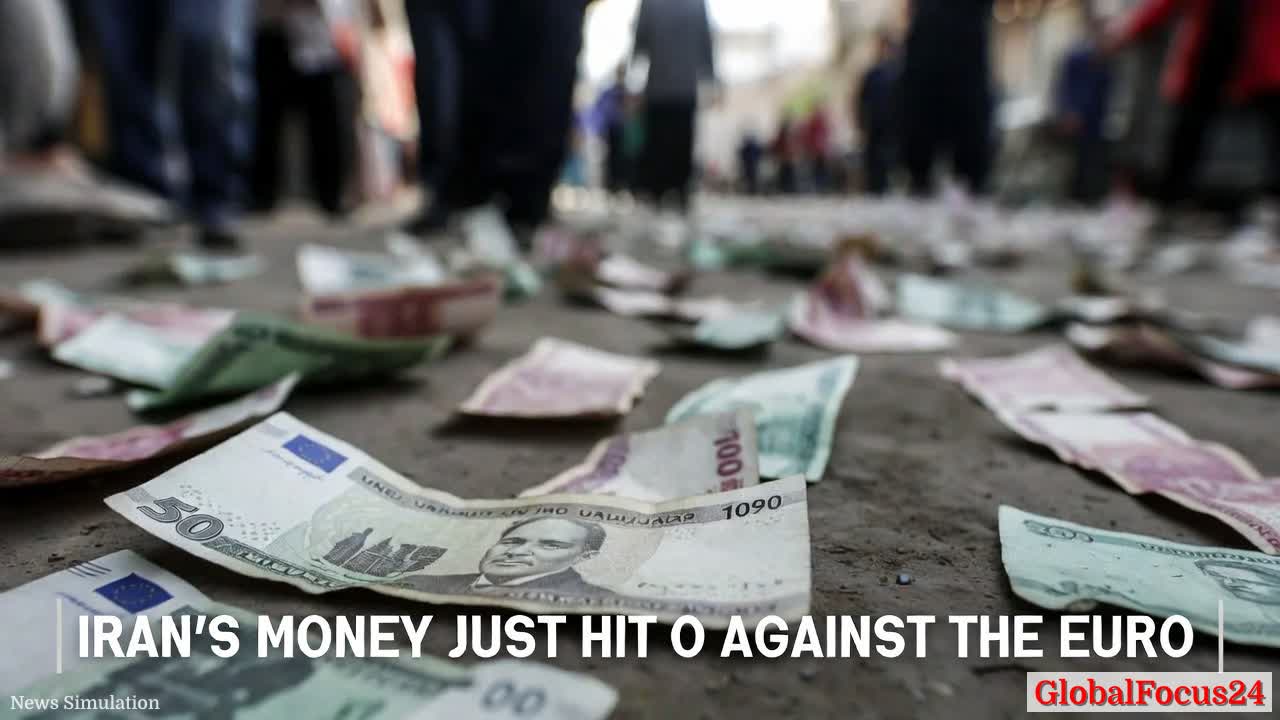
In a striking development that underscores the pressures facing Iran’s economy, the Iranian rial has collapsed to effectively zero value against the euro in foreign exchange conversions, a transformation that reverberates through households, businesses, and the broader regional economy. The currency now displays as 0.00 in many conversion tools, signaling a dramatic loss of purchasing power and a widening gulf between Iran’s financial markets and those of its trading partners. While unofficial markets previously reported extreme depreciation, the latest shift marks a formal, widely observed marker of devaluation that raises urgent questions about policy responses, humanitarian consequences, and the longer arc of Iran’s economic trajectory.
Historical context: sanctions, inflation, and economic fragility To understand the present situation, it is helpful to trace the thread of economic forces that culminated in the rial’s near-term collapse. Iran’s economy has long operated under the weight of multilateral sanctions, periodic currency controls, and structural challenges that constrain growth. After years of international restrictions tied to concerns over nuclear development and regional policy, Iran has repeatedly faced restrictions on its access to international banking systems and global commodity markets. These constraints have driven capital flight, reduced investor confidence, and heightened risk premia, all of which contribute to currency depreciation.
Inflation has been persistent and elevated, eroding real incomes and purchasing power for ordinary citizens. When price levels rise rapidly while productivity remains constrained, households rely on foreign exchange or hard currencies to preserve purchasing power, which in turn depresses demand for the domestic currency. In such environments, sentiment becomes a self-fulfilling dynamic: expectations of further depreciation push individuals and firms to move assets into more stable currencies, accelerating a downward spiral for the local unit.
The rial’s decline is not only a function of external pressure but also a story of domestic fiscal and monetary policy under stress. Balance-of-payments pressures, government financing needs, and the central bank’s management of liquidity have all interacted with external shocks to shape the currency’s trajectory. The result has been a prolonged period of volatility, punctuated by sudden repricings that confound businesses and households alike.
Economic impact: who bears the burden and how it manifests The practical consequences of a currency collapse are broad and immediate. For households, the most visible impact is on purchasing power. Imported goods—ranging from essential medicines and medical supplies to consumer electronics and everyday staples—become markedly more expensive in local currency terms. Even when prices in local currency may not immediately reflect the new exchange rate, the lag between currency movements and price adjustments can create short-term shortages and price volatility, undermining household budgets and savings.
For businesses, the devaluation increases the cost of imported inputs, raises production costs, and complicates financial planning. Companies that rely on foreign currency financing or that price in foreign currencies face balance-sheet stress as their local-currency liabilities balloon in value relative to revenue streams. Small and medium-sized enterprises, which often operate with thinner margins, can be disproportionately affected, potentially leading to slower investment, job cuts, or shifts in supply chains toward higher domestic content or alternative sourcing.
Trade patterns may shift as buyers and sellers adjust to the new risk environment. Some entities may pivot toward diversification of suppliers, increased hedging activity, or seek to renegotiate terms with lenders and partners. Regions that have historically integrated with Iran’s economy—such as the broader Middle East and adjacent trading corridors—may observe shifts in trade flows, pricing benchmarks, and currency utilization. In the short run, the near-zero value of the rial against the euro could push regional markets to favor currencies perceived as more stable for cross-border transactions, potentially accelerating a move toward bilateral settlement arrangements or increased use of third-country currencies in trade.
Public response and social implications Public sentiment in Iran and among diaspora communities abroad has been shaped by the currency’s decline. Acute concerns about living standards, access to essential goods, and the durability of savings tend to accompany abrupt shifts in exchange rates. Governments and central banks in neighboring countries monitor such developments closely, given that currency shocks can spill over through trade linkages and financial markets.
Observers highlight that currency depreciation, while painful in the short term, often prompts a reassessment of economic strategies. Policymakers may consider measures to stabilize markets, restore confidence, and protect the most vulnerable segments of society. These may include targeted subsidy programs, adjustments to monetary policy, and efforts to diversify the economy away from overreliance on imports. The effectiveness of such measures depends on timely implementation, credible commitments, and the degree to which sanctions and external pressures abate or persist.
Regional comparisons: how neighboring economies have fared In the broader region, several economies have faced currency pressures with varying intensity. Countries with substantial energy revenue, diversified export bases, or more stable political and monetary frameworks have been able to cushion shocks more effectively, though they are not immune to global commodity price swings and sanctions dynamics. In some cases, parallel markets or unofficial exchange channels play a significant role, creating a two-tier landscape where the official rate diverges markedly from market rates. Regional traders and policymakers watch these dynamics as indicators of financial health, liquidity conditions, and the resilience of economic structures.
By contrast, commodity-dependent economies with limited access to international financial markets can experience heightened vulnerability when sanctions tighten or external financing becomes scarce. In such contexts, currency stabilization often hinges on a combination of fiscal discipline, monetary credibility, and improved external financing conditions. Observers note that if sanctions are eased and external markets reopen, the rial could regain some ground; if not, the currency could remain under sustained pressure.
Supply chains, energy prices, and macro stability The energy sector, a central pillar of Iran’s economy, interacts closely with currency dynamics. Oil and gas revenues are typically denominated in foreign currencies, which can provide a cushion against domestic currency depreciation when revenues can be converted into local liquidity at favorable rates. However, if sanctions restrict access to global markets or curb export volumes, even substantial energy revenues may not translate into domestic economic resilience. This creates a tension between fiscal generosity and monetary discipline, influencing policy choices and public expectations.
On the consumer side, import reliance means that tangible benefits from a weaker currency are not immediate and can be overshadowed by inflationary pressures. Households and businesses alike must navigate a landscape of fluctuating prices, fluctuating exchange rates, and potential shortages. The pace at which price adjustments occur, the availability of essential goods, and the accessibility of credit will all shape the near-term social and economic climate.
Policy considerations and the road ahead As Iran contends with a currency that has effectively devalued to near-zero value on international platforms, several policy strands merit attention for any credible stabilization plan:
- Monetary credibility and inflation control: Restoring trust in the national currency hinges on credible anti-inflation measures, transparent central banking practices, and a clear commitment to price stability. This may involve tightening or normalizing monetary policy, strengthening accountability, and communicating a coherent framework for inflation targets.
- Fiscal consolidation and subsidy reform: Reducing the domestic fiscal burden and reorienting subsidies toward the most vulnerable populations can help stabilize macroeconomic conditions. Transparent budgeting, targeted social programs, and gradual subsidy reform may mitigate inflationary pressures while preserving social protections.
- Diversification and export strategy: Expanding non-oil sectors and diversifying export markets can reduce dependence on a single revenue stream and create more resilient growth. Investments in manufacturing, agriculture, and services can contribute to sustained trade surplus or improved current account dynamics.
- External financing and regional cooperation: Engagement with international partners to restore access to financial channels, while maintaining compliance with global norms, could ease liquidity constraints. Regional cooperation that reduces settlement frictions, explores currency swap arrangements, or facilitates trade in stable currencies may offer practical relief.
- Social safety nets and public communication: Proactive social support and clear, consistent communication about policy steps help to maintain public trust. As currency volatility affects household budgets, timely delivery of subsidies, wage adjustments, and price controls, when appropriate, can alleviate immediate hardship.
Conclusion: a pivotal moment with long-range implications The rial’s near-zero display in euro conversions marks a pivotal moment for Iran’s economic narrative. It highlights the fragility of external dependencies, the fragility of monetary systems under sanction pressure, and the urgency of credible policy responses. The coming months will reveal whether stabilization measures can reestablish confidence, stabilize prices, and guide the economy toward a more predictable trajectory. In the meantime, households, businesses, and regional partners will adjust to a currency environment where value is reshaped by sanctions, policy choices, and evolving global demand for Iranian goods and services.
Notes for readers
- Currency movements and market rates can diverge between official and unofficial markets, especially under sanctions or capital controls. This divergence is a common feature in economies experiencing heavy external constraints.
- The long-term health of an economy facing currency collapse depends on a combination of policy credibility, structural reforms, and international cooperation that can restore access to international finance and trade channels.
Sources and context The assessment reflects observed market behavior, publicly reported exchange-rate movements, and ongoing considerations among policymakers and market participants in the region. The analysis situates the rial depreciation within the broader arc of sanctions-related pressures, inflation dynamics, and regional economic linkages, emphasizing the need for careful, data-driven responses that protect citizens while stabilizing the economy.