U.S.-Iran Talks Resume in Pakistan as Ceasefire Deadline Nears Amid Rising Tensions
Renewed Diplomatic Efforts in Islamabad
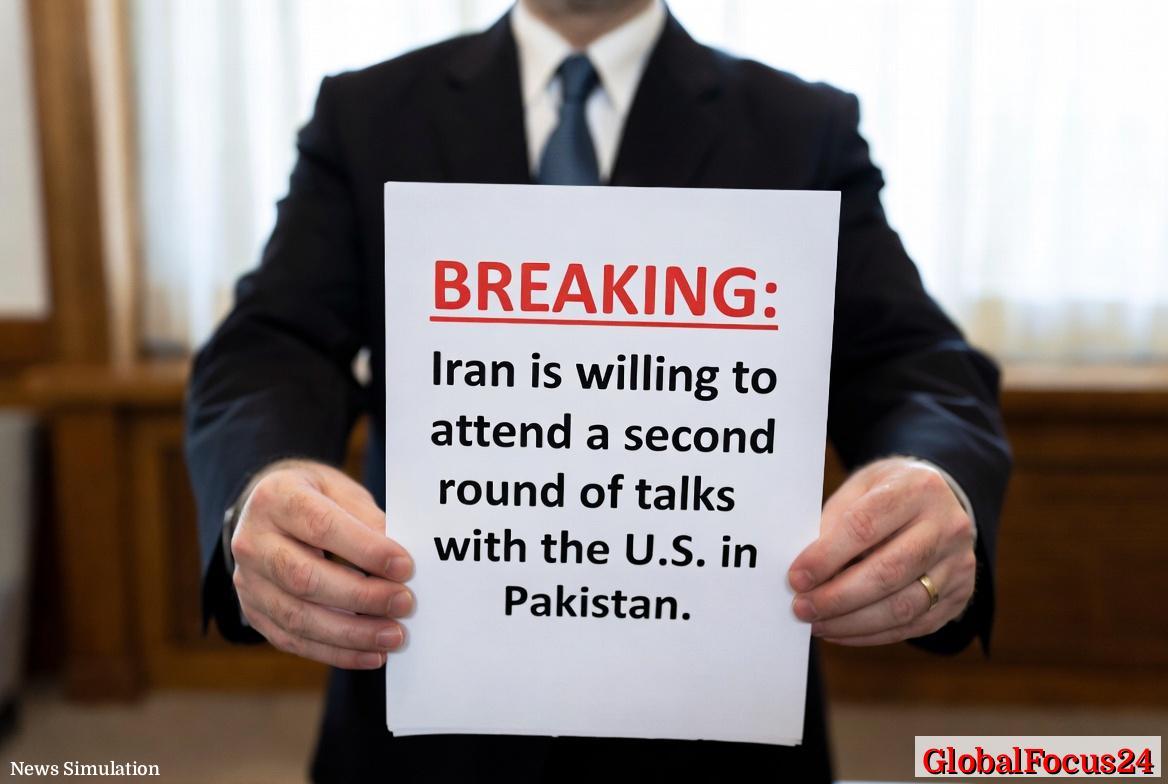
A second round of high-stakes negotiations between the United States and Iran is set to take place in Pakistan, as both sides attempt to stabilize a fragile ceasefire that is due to expire later this week. Pakistan’s capital, Islamabad, has been placed under heightened security, with authorities deploying an additional 10,000 personnel to safeguard visiting delegations and prevent disruptions.
U.S. Vice President JD Vance is expected to lead the American delegation, marking a continuation of intensive diplomatic efforts that began earlier this month. Despite public rhetoric suggesting deep divisions, officials familiar with the discussions have described the talks as making “quiet progress,” signaling that both sides may be exploring pathways toward a longer-term agreement.
The renewed negotiations come at a critical moment, as recent developments—including military incidents at sea—have raised concerns about the durability of the current ceasefire and the risk of broader regional instability.
Core Disputes: Nuclear Program and Strategic Waterways
At the center of the negotiations lies a fundamental disagreement over Iran’s uranium enrichment program. The United States is pushing for a long-term restriction, reportedly seeking a 20-year limit on enrichment activities. Iran, however, has proposed a significantly shorter timeframe of five years, reflecting a persistent gap between the two sides.
This issue has long been a cornerstone of tensions between Washington and Tehran, with previous agreements and frameworks often faltering over verification measures and timelines. The current proposal underscores the challenge of balancing non-proliferation concerns with national sovereignty.
Another major point of contention involves the Strait of Hormuz, a strategically vital waterway through which a significant portion of the world’s oil supply passes. Control, monitoring, and freedom of navigation in the strait have become increasingly sensitive topics, particularly in light of recent maritime incidents.
The situation escalated over the weekend when Iran attacked two Indian vessels operating in the region. The incident drew immediate international attention and prompted strong condemnation. U.S. President Donald Trump described the attack as a “total violation” of the ceasefire, raising the stakes ahead of the upcoming negotiations.
Security Measures and Regional Implications
Pakistan’s decision to host the talks reflects its growing role as a diplomatic intermediary in complex international disputes. However, the move has also brought significant security challenges. Islamabad’s lockdown underscores concerns about potential unrest, espionage, or targeted attacks during the negotiations.
The deployment of thousands of additional security personnel highlights the sensitivity of the discussions and the potential consequences of failure. Regional observers note that instability in U.S.-Iran relations can have ripple effects across South Asia and the Middle East, affecting trade routes, energy markets, and security dynamics.
Neighboring countries, including India and Gulf states, are closely monitoring developments. The attack on Indian vessels has added a new dimension to the crisis, potentially widening the scope of tensions beyond the immediate U.S.-Iran relationship.
Historical Context of U.S.-Iran Negotiations
Diplomatic engagement between the United States and Iran has a long and complex history, marked by cycles of confrontation and negotiation. Efforts to regulate Iran’s nuclear program have been central to these interactions for decades, with various agreements emerging and collapsing over time.
Past negotiations have often been shaped by broader geopolitical considerations, including regional conflicts, economic sanctions, and shifts in global power dynamics. The current talks in Pakistan represent another chapter in this ongoing process, with both sides seeking to avoid escalation while protecting their strategic interests.
Previous rounds of negotiations have demonstrated that progress is often incremental and fragile. Breakthroughs have typically required sustained engagement, confidence-building measures, and compromises on both sides.
Economic Stakes and Global Market Impact
The outcome of the negotiations carries significant economic implications, particularly for global energy markets. The Strait of Hormuz remains one of the world’s most critical النفط transit routes, and any disruption could lead to sharp fluctuations in oil prices.
Market analysts have already noted increased volatility following the recent maritime incident. Shipping companies and insurers are reassessing risk levels in the region, which could lead to higher costs and potential delays in global supply chains.
For Iran, the negotiations also have direct economic consequences. Sanctions and restrictions tied to its nuclear program have constrained economic growth, limiting access to international markets and investment. A successful agreement could open pathways to economic relief, while failure could deepen isolation.
The United States, meanwhile, faces its own set of economic considerations. Stability in the Middle East is closely linked to global energy security, and prolonged tensions could have downstream effects on domestic and international markets.
Diplomatic Signals and Public Messaging
Despite ongoing talks, public statements from both sides have reflected a mix of cautious optimism and firm positioning. Officials have emphasized the importance of reaching an agreement while also signaling readiness to respond to violations.
President Trump’s recent remarks, including threats to target Iranian infrastructure if no deal is reached, illustrate the high-pressure environment surrounding the negotiations. Such statements may serve as leverage in diplomatic discussions but also risk escalating tensions if not carefully managed.
Vice President Vance’s role in the negotiations is seen as a key factor in maintaining momentum. His previous 21-hour negotiation session, which ended without a formal agreement, demonstrated both the complexity of the issues and the willingness of both sides to engage in extended dialogue.
Regional Comparisons and Broader Context
The current situation can be compared to other high-stakes diplomatic efforts in the region, where negotiations often occur against a backdrop of military incidents and political uncertainty. Similar dynamics have been observed in past negotiations involving North Korea and various Middle Eastern conflicts, where progress is often uneven and subject to sudden reversals.
Pakistan’s involvement as host also reflects a broader trend of regional actors taking on more prominent roles in facilitating dialogue. This approach can offer neutral ground for negotiations but also introduces additional variables, including domestic security concerns and regional alliances.
In comparison to previous negotiation venues, Islamabad presents both opportunities and challenges. Its geographic position and diplomatic relationships may help bridge gaps, but the heightened security environment underscores the risks involved.
Urgency as Deadline Approaches
With the ceasefire set to expire within days, the urgency of the negotiations cannot be overstated. Both sides face pressure to reach at least a provisional agreement that can extend the ceasefire and create space for further discussions.
Failure to do so could lead to a rapid escalation of hostilities, with potential consequences extending far beyond the immediate parties involved. The recent attack on Indian vessels serves as a stark reminder of how quickly tensions can flare.
Diplomatic sources indicate that negotiators are focusing on achievable interim measures, such as extending the ceasefire and narrowing differences on key issues. These steps could provide a foundation for more comprehensive agreements in the future.
Outlook for the Talks
While significant challenges remain, the continuation of negotiations suggests that both the United States and Iran see value in pursuing a diplomatic solution. The combination of quiet progress and persistent disagreements reflects the complexity of the issues at hand.
The coming days will be critical in determining whether the talks can produce tangible results or whether the region will face renewed instability. Observers emphasize that even partial agreements could play an important role in preventing escalation and maintaining channels of communication.
As delegations prepare to meet in Islamabad under tight security, the stakes are clear. The outcome of these discussions will not only shape the future of U.S.-Iran relations but also influence broader regional stability and global economic conditions.