Iran Acknowledges Strait of Hormuz Disruptions as Global Shipping Faces Renewed Strain
Rising Tensions in a Critical Maritime Corridor
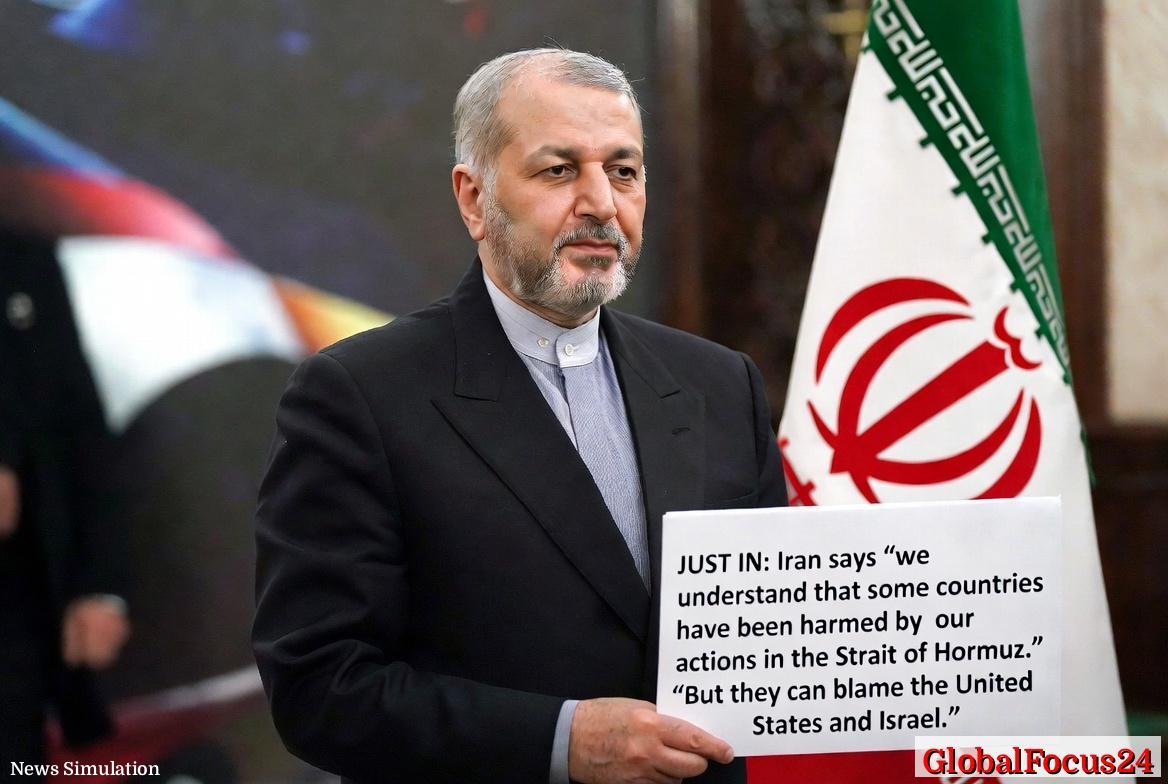
Iran has acknowledged that its recent actions in the Strait of Hormuz have disrupted international shipping and affected the economic interests of several countries, underscoring the fragile stability of one of the world’s most strategically vital waterways. The narrow passage, which connects the Persian Gulf to the Arabian Sea, carries roughly a fifth of global oil consumption, making any disturbance a matter of immediate international concern.
While recognizing the impact, Iranian officials have argued that the root causes of the disruptions lie in broader geopolitical tensions, particularly involving the United States and Israel. This framing reflects the complex interplay of regional security dynamics that have historically shaped activity in the strait.
The developments have renewed attention on the vulnerability of global energy supply chains and the economic ripple effects that can stem from even temporary disruptions in key maritime chokepoints.
Historical Significance of the Strait of Hormuz
The Strait of Hormuz has long been a focal point of geopolitical tension. Since the latter half of the 20th century, it has served as a critical artery for oil exports from major producers such as Saudi Arabia, Iraq, Kuwait, and the United Arab Emirates. Its strategic importance became particularly evident during the Iran-Iraq War in the 1980s, when the so-called “Tanker War” saw attacks on commercial shipping vessels, prompting international naval escorts and heightened security measures.
In more recent years, periodic incidents—including vessel seizures, drone surveillance, and military exercises—have underscored the persistent volatility in the region. These events have often coincided with broader diplomatic disputes, sanctions, and military posturing, reinforcing the strait’s role as both an economic lifeline and a geopolitical flashpoint.
Iran’s latest acknowledgment of disruption adds to a long pattern in which maritime activity in the strait reflects wider regional tensions rather than isolated incidents.
Impact on Global Shipping and Energy Markets
Shipping companies and energy traders have reacted cautiously to the latest developments. Reports of delays, rerouted vessels, and increased insurance premiums have emerged as operators reassess risk exposure in the region. For oil markets, even minor disruptions can trigger price fluctuations, given the sheer volume of crude passing through the strait daily.
Key economic effects include:
- Higher shipping insurance costs due to increased perceived risk.
- Delays in oil and liquefied natural gas deliveries, affecting supply chains.
- Short-term volatility in global energy prices.
- Increased operational costs for shipping firms navigating alternative routes or enhanced security measures.
For countries heavily reliant on energy imports—particularly in Asia—these disruptions carry immediate consequences. Nations such as India, China, Japan, and South Korea depend significantly on Gulf oil shipments, making them especially sensitive to instability in the strait.
European markets, while somewhat more diversified, are also affected through global pricing mechanisms and supply chain interdependencies.
Regional Comparisons: Other Strategic Chokepoints
The Strait of Hormuz is not the only maritime chokepoint with global implications, but it remains among the most critical. Comparisons with other key passages highlight its unique importance:
- The Suez Canal in Egypt facilitates trade between Europe and Asia but has alternative routes, albeit longer and costlier.
- The Bab el-Mandeb Strait, connecting the Red Sea to the Gulf of Aden, is another vital corridor but carries less oil volume than Hormuz.
- The Strait of Malacca in Southeast Asia handles a significant share of global trade but is less directly tied to oil exports from a concentrated group of producers.
Unlike these routes, the Strait of Hormuz has limited viable alternatives for the bulk transport of Gulf oil. While pipelines exist that bypass the strait—such as those in Saudi Arabia and the UAE—their capacity is insufficient to fully replace maritime shipments.
This structural dependency amplifies the global impact of any disruption, making stability in the strait a priority for both regional and international stakeholders.
Economic Consequences for Affected Nations
The acknowledgment by Iran that its actions have harmed shipping and economic interests highlights the broader financial implications. For exporting countries in the Gulf, disruptions can lead to delayed revenues and logistical complications. For importing nations, the effects are often felt through higher fuel costs and inflationary pressures.
Shipping firms face a different set of challenges. Increased insurance premiums, known as war risk surcharges, can significantly raise operational expenses. In some cases, companies may choose to avoid the strait altogether, opting for longer routes that add time and cost to deliveries.
The cumulative effect can ripple across industries, influencing everything from transportation costs to consumer prices. Energy-intensive sectors such as manufacturing and aviation are particularly vulnerable to fluctuations in fuel supply and pricing.
Diplomatic and Security Implications
Iran’s statement attributing responsibility to external actors reflects the broader geopolitical context in which these disruptions occur. The Strait of Hormuz has frequently been a stage for signaling and strategic messaging, with actions in the water often tied to developments on land.
International responses typically involve a combination of diplomatic engagement and enhanced security measures. Naval patrols by multinational forces have been a recurring feature in the region, aimed at ensuring freedom of navigation and deterring potential threats to commercial vessels.
At the same time, efforts to de-escalate tensions through dialogue remain ongoing, though progress is often uneven. The interplay between diplomacy and deterrence continues to shape the operational environment in the strait.
Industry Adaptation and Risk Management
In response to recurring instability, the shipping and energy industries have developed strategies to manage risk. These include:
- Diversifying supply sources to reduce reliance on any single route.
- Investing in real-time tracking and intelligence systems to monitor threats.
- Adjusting shipping schedules and routes based on evolving conditions.
- Collaborating with international security initiatives for vessel protection.
Energy producers have also explored infrastructure investments, such as expanding pipeline capacity, to provide alternative export routes. However, these measures require significant capital and time, limiting their ability to address immediate disruptions.
Public and Market Reactions
Public reaction to developments in the Strait of Hormuz often centers on concerns about fuel prices and economic stability. In many countries, even the perception of risk can influence consumer behavior and market sentiment.
Financial markets tend to respond quickly to news of disruptions, with oil prices serving as a key indicator of perceived supply risk. Analysts closely monitor developments in the region, recognizing that even short-lived incidents can have outsized effects on pricing and investor confidence.
Outlook for Stability in the Strait
The latest acknowledgment by Iran underscores the persistent uncertainty surrounding the Strait of Hormuz. While the immediate impact on shipping and economic interests is clear, the longer-term outlook depends on a complex mix of geopolitical, economic, and security factors.
Efforts to maintain stability in the strait are likely to remain a priority for the international community, given its central role in global energy markets. At the same time, the recurring nature of disruptions suggests that volatility will continue to be a defining feature of this critical maritime corridor.
As global demand for energy evolves and alternative supply routes are explored, the strategic importance of the Strait of Hormuz may shift over time. For now, however, it remains an indispensable link in the global economy—one where even minor disturbances can resonate far beyond the narrow waters through which so much of the world’s energy flows.