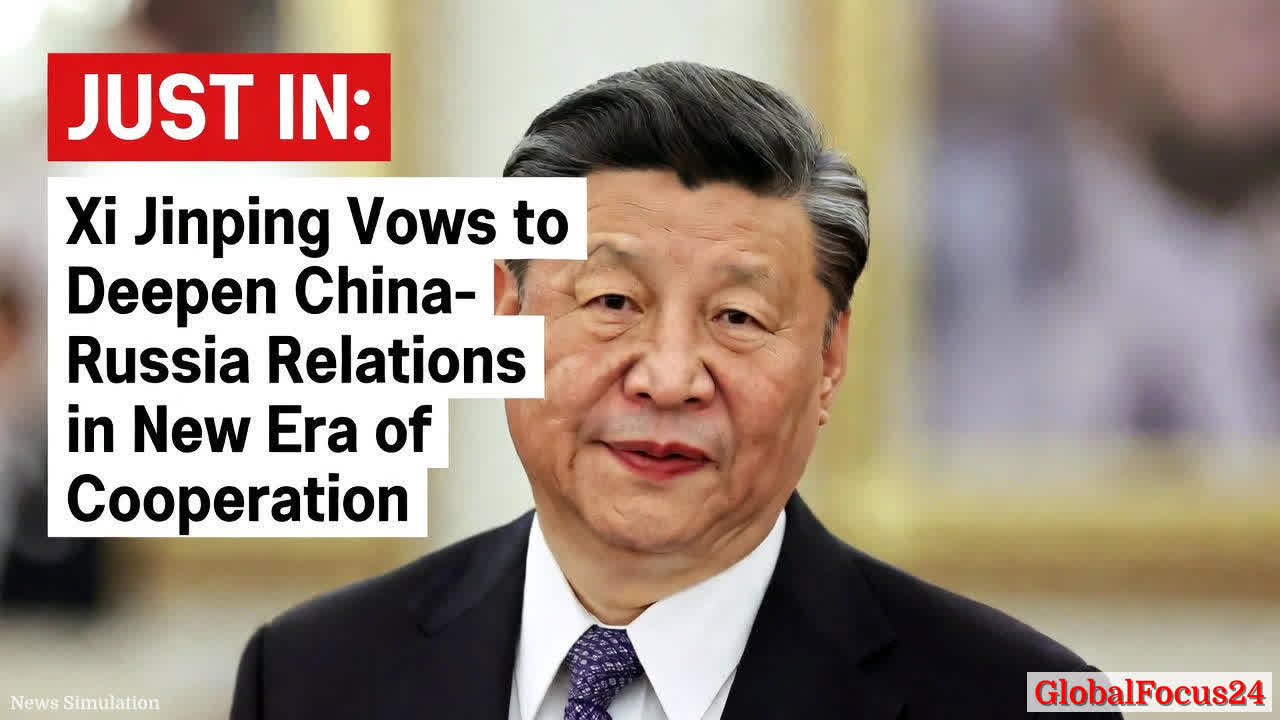
Xi Jinping Vows to Deepen China-Russia Relations in New Era of Cooperation
Beijing — Chinese President Xi Jinping has pledged to deepen bilateral ties with Russia, signaling a sustained push toward a more integrated, strategic partnership that aims to shape regional dynamics and broader global stability. The vow follows a period of heightened coordination between the two major powers, with officials outlining a multi-year trajectory that prioritizes expanded trade, technology exchange, security cooperation, and joint infrastructure initiatives.
Historical Context: A Century of Shifting Tides in Sino-Russian Ties
To understand the present moment, it helps to recall the long arc of China-Russia relations, which have evolved through imperial legacies, ideological alignment, and pragmatic recalibrations. In the late 20th century, after the dissolution of the Soviet Union, Moscow and Beijing moved from occasional alignment to a more deliberate, albeit cautious, partnership driven by shared interests in counterbalancing Western influence. The early 2000s brought a normalization of ties and a gradual expansion of economic cooperation, culminating in a robust, albeit diverse, set of exchanges across energy, manufacturing, and infrastructure sectors.
In recent years, the relationship has matured into a comprehensive strategic partnership that encompasses not only commercial dealings but also joint stances on international governance, security dialogues, and scientific collaboration. This evolution reflects a broader shift in global power dynamics, where both nations seek to diversify strategic dependencies, maintain influence over regional affairs, and pursue alternatives to a unipolar order. The emphasis on mutual benefit and balanced cooperation has consistently framed official rhetoric, with leaders underscoring the importance of stability, predictability, and open channels for dialogue.
Economic Impact: Trade, Investment, and Industrial Synergies
From a macroeconomic perspective, intensified China-Russia cooperation carries meaningful implications for regional economies and global markets. Trade flows between the two countries have diversified beyond traditional energy exports toward higher-value manufacturing, high-tech components, and consumer goods. Investments in rail and logistics infrastructure aim to improve regional connectivity, reduce transit times, and support broader industrial clusters in both countries. For China, access to Russian raw materials and Arctic resources complements its manufacturing base and energy security strategy. For Russia, China provides a sizable, growing market and a partner capable of absorbing surplus production in sectors where Western markets have faced sanctions or volatility.
Analysts highlight several channels through which the bilateral partnership could influence the broader economy:
- Energy and commodities: Long-term contracts and diversified supply agreements reduce price shocks and improve energy security for industrial sectors on both sides.
- Industrial modernization: Joint ventures and technology transfers spur upgrades in manufacturing, aerospace, and digital economy capabilities.
- Financial integration: Coordinated currency arrangements, cross-border settlement mechanisms, and access to credit facilities support smoother trade and investment flows.
- Regional development: Infrastructure collaboration, including rail corridors and port facilities, enhances economic integration across Eurasia and strengthens competitiveness in an emerging continental market.
Regional Comparisons: Parallel Dynamics Across Eurasia
The China-Russia partnership sits alongside a constellation of regional alignments that shape economic and strategic calculations. In neighboring regions, countries have pursued diversification of partnerships to balance growth with security concerns. For instance, other major economies in Asia are actively expanding energy diversification strategies, manufacturing supply chains, and technology co-development with multiple partners. In Europe, policy considerations surrounding energy resilience and technological sovereignty influence trade patterns with both China and Russia, reinforcing a broader trend toward multi-sourced supply networks and regional blocs.
Public reaction to heightened China-Russia cooperation has been mixed, reflecting a spectrum of views about stability, economic opportunity, and geopolitical risk. Markets generally respond to greater clarity in policy direction and predictable strategic commitments, though observers note the potential for fluctuation in energy prices, sanctions regimes, and global supply-chain dynamics. Some regional actors express concern about over-reliance on any single narrative of cooperation, emphasizing the importance of transparent governance, independent legal frameworks, and adherence to international norms.
Strategic Implications: Security, Technology, and Global Governance
In security dialogues, the evolution of Sino-Russian cooperation emphasizes coordination on regional hotspots, cyber norms, and arms control discussions. While direct military collaboration is approached with caution, the two nations frequently engage in joint exercises, intelligence sharing on non-proliferation and counterterrorism, and coordinated responses to regional instability. The technology dimension centers on research and development collaboration, including artificial intelligence, aerospace, and critical infrastructure protection. These efforts aim to reduce technological gaps and expand industrial capabilities, while navigating the complexities of export controls, sanctions landscapes, and intellectual property regimes.
On the global governance front, the China-Russia partnership is positioned as a counterweight to certain Western-led frameworks, advocating for reforms that reflect the interests of a multipolar world. Proponents argue that a diversified power balance can contribute to more inclusive decision-making and resilience in international institutions. Critics, however, caution about the potential for strategic convergence to stifle dissenting voices and complicate mediation efforts in conflict scenarios. In either case, the trajectory underscores the importance of robust diplomacy, credible economic sustainment, and transparent communication to maintain public trust.
Policy Signals for 2026 and Beyond
Officials indicate that 2026 will be a year of intensified collaboration across several domains. Key priorities reportedly include:
- Expanding trade and investment streams, with a focus on balancing supply chains and reducing bottlenecks in cross-border movement of goods and raw materials.
- Advancing technological partnerships, including co-development in high-tech sectors and joint research initiatives that align with national development strategies.
- Coordinating on regional security and stability measures, leveraging diplomatic channels and multi-lateral forums to address shared concerns.
- Advancing cultural and educational exchanges to deepen mutual understanding and domestic appreciation of the two countries’ strategic partnership.
Such policy signals are designed to reinforce a mutually beneficial trajectory that prioritizes predictable, rule-based engagement and shared responsibility in addressing global challenges. The emphasis on win-win outcomes and coordinated actions aligns with each nation’s stated ambitions to contribute to regional stability while expanding economic opportunities for businesses and workers alike.
Regional Economic Context: Comparisons with Other Major Corridors
To place the bilateral relationship in a broader frame, consider the dynamics of other large regional corridors. The Belt and Road Initiative, for example, has spurred interconnected infrastructure development, logistics networks, and trade linkages across Eurasia, potentially magnifying the impact of any strengthened China-Russia collaboration. However, the effectiveness of such initiatives depends on project execution, financing terms, governance standards, and the ability to harmonize standards across diverse jurisdictions. In contrast, regional economic blocs that prioritize diversified partnerships and robust regulatory frameworks may experience steadier growth and resilience to external shocks.
Public Infrastructure and Industrial Capacity: Implications for Employers and Workers
For businesses, deeper China-Russia cooperation may unlock opportunities in logistics, manufacturing, and technology services. Companies investing in cross-border supply chains could benefit from clearer regulatory environments, improved customs procedures, and shared standards. For workers, enhanced industrial collaboration can translate into new job opportunities in sectors such as energy, engineering, and digital services. Yet there are considerations for labor markets, including the need for upskilling, fair wage practices, and safeguards against market volatility driven by policy shifts or commodity price swings.
Environmental and Social Considerations
Sustainable development remains a critical lens through which analysts assess long-term cooperation. Joint ventures in energy and industry must navigate environmental standards, emission targets, and community impact. Transparent due diligence, independent auditing, and adherence to international environmental guidelines help mitigate risks and build public confidence in large-scale projects. Social considerations—ranging from labor rights to regional development benefits—are essential to maintaining broad-based support for expansive cooperation over time.
Conclusion: A Cautiously Optimistic Path Forward
The commitment to deepen China-Russia relations signals a deliberate strategy to cultivate a more integrated, mutually beneficial partnership within a complex and evolving global order. While the trajectory offers potential economic uplift, regional stability, and enhanced strategic influence, it also demands careful management of geopolitical frictions, market fluctuations, and governance challenges. As 2026 approaches, industries, policymakers, and citizens will be watching how these commitments translate into tangible outcomes on the ground—through trade volumes, technology transfers, infrastructure milestones, and the everyday realities of workers and communities connected to these evolving ties.