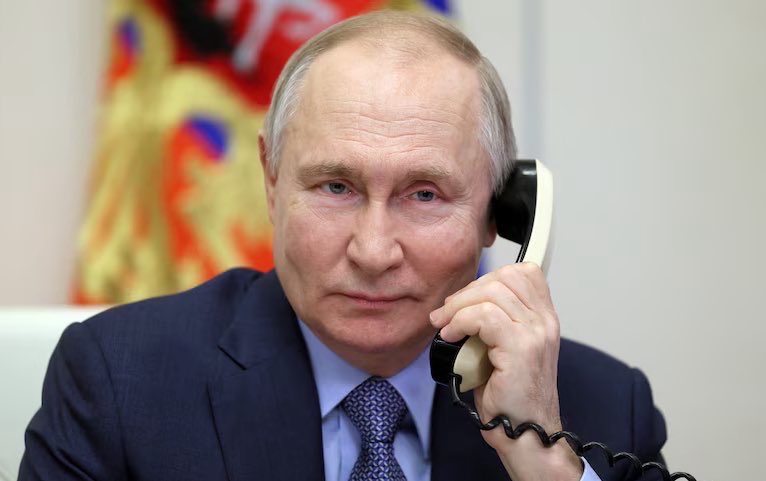
Trump: Putin “Very Serious About Peace” as Talks Reach Final Stages
WASHINGTON — Former U.S. President Donald Trump said that Russian President Vladimir Putin is "very serious about peace" as negotiations aimed at resolving ongoing conflicts approach a potential breakthrough. The statement, delivered during a press briefing in Washington on Sunday, signals that discussions between American and Russian officials have progressed further than expected. Though details remain limited, both sides appear committed to a framework that could reshape diplomatic relations between Moscovite and Western powers.
A Renewed Push for Peace
Trump’s remarks come at a critical juncture in international diplomacy. After years of tension, sanctions, and economic realignment, signals of genuine negotiation could mark a turning point in relations that have strained global stability since the early 2010s. While past efforts toward peace have faltered, officials close to the talks suggest this round is moving more steadily, with structured discussions focusing on mutual security assurances, regional stabilization, and trade normalization.
During his comments, Trump noted, “President Putin is very serious about peace — more serious than most people realize.” While he provided no additional details about the terms being discussed, the assertion aligns with recent diplomatic exchanges indicating a softening tone between Washington and Moscow.
Historical Context of U.S.–Russia Relations
The relationship between the United States and Russia has been defined by cycles of confrontation and cautious cooperation. Following the Cold War’s conclusion in 1991, optimism about a new democratic Russia faded as political and military differences emerged. NATO’s eastward expansion, conflicts in Georgia and Ukraine, and allegations of election interference in the late 2010s heightened distrust on both sides.
The strain intensified in the early 2020s following Moscow’s military actions in Eastern Europe and subsequent international sanctions aimed at constraining its economy. However, despite these setbacks, both nations have historically sought pragmatic engagement when mutual interests align — particularly in areas of arms control, counterterrorism, and energy supply security.
The current negotiations, according to diplomatic observers, recall earlier periods of dialogue such as the Strategic Arms Reduction Treaty (START) discussions of the 1980s and 1990s, when measured diplomacy ultimately led to verifiable agreements. Analysts suggest that a similar outcome now could stabilize markets and reduce the risk of further regional escalations.
Economic Implications of a Potential Agreement
Markets have responded cautiously but favorably to reports of progress. Global oil prices, which remain sensitive to political developments involving Russia, showed early signs of stability following Trump’s remarks. A verified peace commitment could alleviate concerns about supply disruptions in energy markets, particularly in Europe, where reliance on Russian natural gas remains significant despite diversification efforts.
For both nations, an agreement could carry wide-ranging economic benefits. Russia’s economy continues to face structural pressures from sanctions and reduced foreign investment. A peace deal could open new opportunities for trade and financial access while restoring confidence among foreign partners. Meanwhile, the United States could gain economically from de-escalation through lower defense expenditures tied to European deterrence measures and renewed agricultural and industrial exports.
Economic experts caution, however, that any optimism should be tempered by the complexity of reconciling long-standing disputes. The impact of any peace arrangement would depend heavily on compliance mechanisms and the willingness of both nations to uphold commitments in the face of domestic political pressures.
International and Regional Reactions
European leaders, long concerned with maintaining unity in their approach toward Russia, have responded with cautious optimism. Diplomats in Berlin and Paris emphasized the importance of verification measures to ensure that commitments are upheld. The European Union has repeatedly stressed that any relaxation of sanctions or restoration of trade ties would need to follow concrete, measurable steps toward peace.
In Asia, analysts have drawn parallels between the U.S.–Russia negotiations and recent stabilization efforts in other contested regions. Observers in Beijing and New Delhi view these talks as indicative of a broader recalibration in global diplomatic priorities, where major powers are increasingly recognizing the economic and environmental costs of persistent conflict. Both governments have expressed guarded support for any initiative that reduces global instability and restores predictability to trade flows.
The United Nations welcomed the comments from both sides, with a spokesperson describing “serious dialogue between Washington and Moscow” as essential to global security. While no formal resolution has been proposed, diplomatic channels remain active, and observers note a surge in backchannel communications aimed at preparing for potential multilateral verification arrangements.
Lessons from Past Diplomacy
History shows that high-stakes peace negotiations between global powers tend to succeed only when both sides perceive tangible gains. The détente period of the 1970s, followed by the Cold War arms reductions of the late 1980s, demonstrated that sustained dialogue and incremental trust-building can transform adversarial relationships. Those eras also highlight the fragility of such agreements when political winds shift.
Analysts point to the 2010 New START treaty as the most recent example of substantive bilateral arms control cooperation. Signed by President Barack Obama and then–President Dmitry Medvedev, it established verifiable limits on nuclear arsenals and inspection protocols that still provide a framework for transparency today. A renewed peace deal, even if narrower in scope, could build on that foundation to address evolving security challenges, including cyber operations, resource access, and regional proxy conflicts.
Public and Political Response in the United States
Within the United States, Trump’s comments have stirred debate about the direction of U.S. foreign policy. Supporters argue that peace talks represent pragmatic leadership and the potential to reduce U.S. involvement in costly overseas engagements. Critics counter that premature optimism risks undermining leverage without securing verifiable commitments from Moscow.
Public sentiment remains divided. A recent national poll indicates that a slim majority of Americans support renewed diplomatic engagement with Russia if it produces verifiable steps toward de-escalation and economic stability. The poll also showed broad concern about rising defense costs and declining global cooperation, suggesting that many voters view diplomacy as a necessary tool for long-term security.
Strategic Calculations and Global Security
From a strategic standpoint, the final stages of the talks will likely address key areas where U.S. and Russian interests intersect. Issues such as arms control modernization, regional influence in Eastern Europe, and cybersecurity norms are expected to feature prominently. Security analysts emphasize that progress on any single topic could establish a foundation for broader cooperation.
For Russia, projecting seriousness about peace may serve both diplomatic and domestic purposes — signaling to international investors that the country seeks stability while strengthening economic partnerships beyond its current alliances. For Washington, a tangible peace framework could reinforce its global leadership in managing conflicts through dialogue rather than military escalation.
If successful, such negotiations could have ripple effects beyond bilateral relations. Neighboring nations in Eastern Europe and Central Asia might benefit from reduced security tensions, while global markets could adjust to the renewed predictability in trade logistics and energy pricing.
Outlook for the Coming Months
While no formal timetable for a conclusion has been released, officials familiar with the matter suggest that negotiators are nearing the final drafting stage. Both sides have reportedly conducted multiple rounds of closed-door meetings, focusing on phased implementation of mutual concessions tied to verifiable benchmarks. These may include troop repositioning, observer missions, or adjustments to specific sanctions policies.
Despite the guarded optimism, experts caution that peace processes at this level often stall over enforcement details or shifting political calculations. Further progress will depend on sustaining momentum through coordinated diplomatic pressure and measured public messaging to prevent domestic backlash in either country.
As the year concludes, the world watches closely. The possibility of a genuine peace accord — after decades of mistrust and sporadic cooperation — offers a rare glimpse of diplomatic hope at a moment when geopolitical tensions remain high elsewhere. Whether this new attempt at reconciliation represents a lasting resolution or another fleeting truce will depend on what emerges from the negotiating table in the weeks ahead.