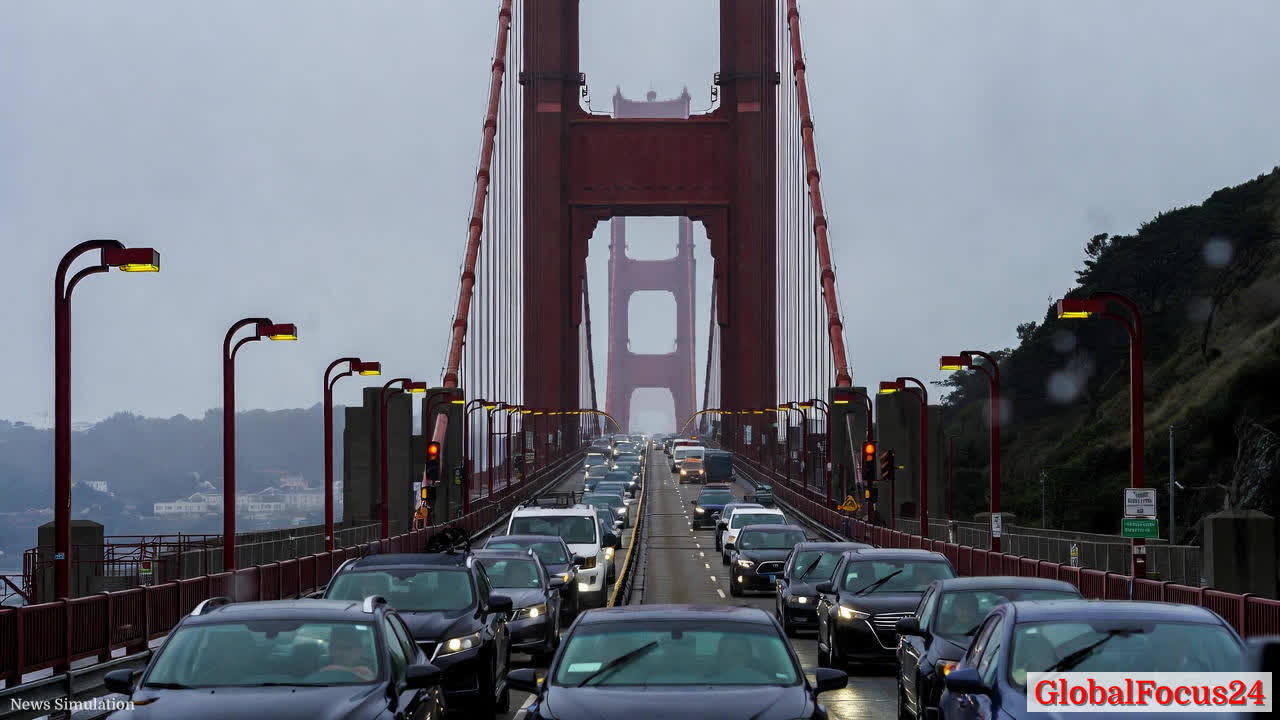
Largest Blackout in San Francisco History Shuts Off Golden Gate Bridge
A historic power outage swept across San Francisco on a rain-soaked Saturday, marking the largest blackout the city has experienced in its history. The event affected roughly 130,000 residents—nearly one in three city dwellers—disrupting holiday plans, public transit, traffic operations, and essential services. While officials confirmed a fire at a substation in the Mission district as the initial trigger, the final cause remains under investigation, and unanswered questions about cascading failures have driven a wide range of public concerns.
Historical context and scale of impact
San Francisco’s electric grid has long been a symbol of urban resilience, built to withstand heavy rain, seismic risk, and the complex demands of a dense, tech-driven economy. Yet the Saturday blackout underscored vulnerabilities that echo earlier regional events. The incident arrived during an era of increasing reliance on automated distribution networks, high-occupancy transit corridors, and a citywide identity that blends iconic landmarks with 24/7 infrastructure needs. The outage extended beyond a simple loss of power; it disrupted the rhythm of a metropolis accustomed to rapid commutes, continuous commerce, and round-the-clock connectivity.
The affected zones stretched from the Presidio to the Mission, with the Golden Gate Bridge momentarily plunged into darkness and critical systems stepping down in a controlled fashion to protect safety. Public transit systems, including Bay Area Rapid Transit (BART), Muni, and the Central Subway, halted operations or suspended service, sending commuters into a scramble to reroute and re-plan. Traffic signals failed in many areas, creating hazardous intersections and prompting a surge in congestion and accident risk as drivers navigated unfamiliar, four-way stops in the absence of street lighting.
Regional comparisons and lessons learned
San Francisco is not alone in facing power reliability challenges. Major metropolitan areas across the United States have grappled with aging transmission lines, weather-induced stress on grids, and the need to modernize infrastructure while balancing cost and reliability. For instance, some West Coast cities have experienced substation failures during extreme weather events, highlighting the tension between climate resilience and the investments required to reinforce aging equipment. The San Francisco incident aligns with a broader national pattern: when a single substation fault or fire occurs, cascading outages can travel across distribution networks, affecting thousands of customers in minutes and stressing emergency response resources.
Economy and public safety implications
The immediate economic impact of a blackout of this magnitude is multifaceted. Retailers and service providers faced interrupted operations and potential loss of perishable inventory, while downtown businesses and hospitality venues faced temporary closures or reduced service capacity. The disruption to transit exacerbated urban mobility costs, with workers, students, and visitors delaying appointments, meetings, and events. In period terms, a city that thrives on foot traffic and night-time economy can see spillover effects from a prolonged outage that reduces consumer confidence and delays capital-intensive projects.
From a public safety perspective, the blackout tested emergency response protocols and resident readiness. When traffic lights go dark and transit grinds to a halt, agencies must adapt to increased risk on roadways, in elevated-risk neighborhoods, and at critical facilities like hospitals and data centers. Authorities urged residents to stay off the roads unless necessary, conserve battery power on devices, and rely on backup lighting and emergency services in the first hours of restoration. As restoration work progressed, command centers coordinated with utility operators, police, fire, and emergency medical services to ensure safe, orderly re-energization and to minimize the risk of secondary incidents.
Operational response and restoration timeline
Utility operators reported that restoration efforts commenced promptly after the initial fault and were conducted in stages to preserve system integrity. The precise timeline for full restoration varied by neighborhood, with some districts experiencing service returns earlier than others based on load demands, feeder configurations, and the status of local substations. Throughout the outage, crews conducted thorough inspections, cleared faults, and gradually brought circuits back online while monitoring for potential re-ignition or equipment hotspots. As with many large-scale outages, the process required balancing rapid restoration with careful thermal management of equipment and adherence to safety protocols.
Public reaction and community resilience
The blackout elicited a range of responses from residents and business proprietors. Neighborhoods with robust emergency preparedness plans demonstrated resilience, relying on portable power solutions, community centers stocked with emergency supplies, and mutual aid networks that organized shelter and resource sharing. Social media and local news channels became critical conduits for real-time information, including shelter locations, staged rolling blackouts, and updates on service restoration. In the longer term, residents and officials will likely scrutinize the incident for lessons about grid reliability, resilience investments, and contingency planning.
Regional comparisons highlight the demand for upgrades
Across the region, stakeholders are prioritizing investments in modernization and resilience. Utility regulators and policymakers are increasingly focused on integrating grid-scale storage, advanced distribution automation, and enhanced weatherization measures to mitigate the effects of future outages. The event has reignited conversations about the pace and funding of infrastructure upgrades, including substation hardening, stronger protective relays, and the deployment of microgrids in high-demand urban corridors. While such upgrades require substantial capital and coordinated timelines, the potential benefits include faster recovery times, reduced outage duration, and improved service continuity during extreme weather events.
Environmental and social dimensions
Outages of this scale carry environmental implications as well. When power is intermittently unavailable, backup generation, often diesel-based, can increase local emissions and noise—adding another layer to the environmental footprint of a blackout. Conversely, a swift restoration of grid reliability can reduce the frequency and duration of emissions associated with idling traffic, detours, and unnecessary electricity draws from non-renewable sources. From a social perspective, outages disproportionately affect vulnerable populations—elderly residents, people with medical needs relying on powered equipment, and low-income households with limited access to backup power. Ensuring equitable impact mitigation forms a core part of ongoing resilience planning in urban centers.
Future outlook and strategic considerations
Looking ahead, the city and region will likely intensify efforts to bolster grid resilience and reliability. Key strategic priorities may include:
- Strengthening critical feeders and substations to withstand weather-related stress and equipment aging.
- Expanding distributed energy resources and microgrids in residential and commercial districts to improve local resilience.
- Accelerating the deployment of smart grid technologies, including fault detection, automatic rerouting, and demand response programs to reduce peak load pressures.
- Enhancing interagency coordination among city departments, transit authorities, and utility operators to streamline emergency response and restoration timelines.
- Expanding public communication channels to deliver timely, accurate information during outages and to guide residents through safety and recovery steps.
Regional comparisons can inform best practices. For example, cities that maintain diversified energy portfolios and invest in rapid restoration capabilities tend to recover more quickly from outages, limiting economic disruption and improving public confidence. The San Francisco incident serves as both a cautionary tale and a catalyst for renewed investment in resilience, underscoring the need for proactive planning in an era of evolving climate risks and increasing urban electrification.
Conclusion and ongoing monitoring
The Saturday blackout in San Francisco stands as a watershed event for urban infrastructure and resilience planning. While authorities investigate the exact cause and assess accountability, the incident has already shifted conversations toward proactive upgrades, improved emergency response, and strategies to protect one of America’s most dynamic and densely populated regions. As restoration continues and the city absorbs lessons from this disruption, officials, utility operators, and residents will work collaboratively to harden the grid, accelerate recovery, and ensure that San Francisco remains a beacon of resilience in a rapidly changing energy landscape.