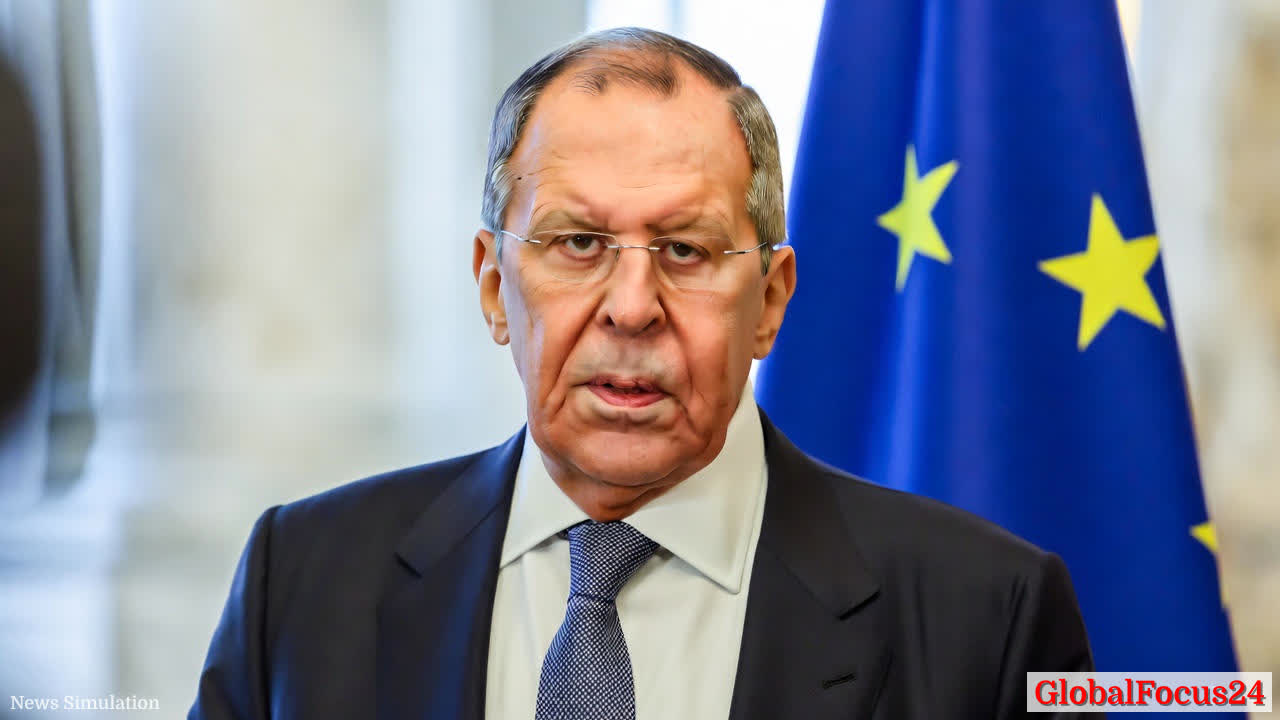
Europe as Main Obstacle to Peace: Parsing Lavrov’s Claim in a Complicated Diplomatic Era
A recent statement from Russian Foreign Minister Sergei Lavrov, describing Europe as the "main obstacle to peace," has reignited debates about the role of continental diplomacy in a time of shifting alliances and enduring geopolitical tensions. The remarks, which surfaced amid ongoing conversations about conflict resolution, reflect a broader pattern in which regional blocs are scrutinized for their influence on security, energy, and economic stability. As policymakers, analysts, and business leaders sift through the rhetoric, the implications are being weighed across multiple domains—from defense planning and sanctions policy to energy diversification and regional economic performance.
Historical Context: Europe’s Diplomatic Role in Global Security
To understand the gravity of Lavrov’s assertion, it helps to examine Europe’s historical trajectory as a diplomatic hub. In the post-World War II era, European institutions—from the European Union to the North Atlantic Treaty Organization—emerged as pillars of collective security and economic integration. The continent’s approach to conflict has often combined multilateral dialogue with targeted sanctions, humanitarian aid, and peacekeeping support. Over decades, European states leveraged their proximity to military flashpoints, such as the Balkans in the 1990s and, more recently, tensions linked to near-border security and regional competitions, to shape international norms and conflict management strategies.
This legacy also includes economic dynamics that tie European economies to global supply chains, energy markets, and financial systems. The EU’s single market, extensive regulatory framework, and external trade relationships created a unique leverage point in global diplomacy. Lavrov’s framing can be interpreted as a counterpoint to this tradition, suggesting that Europe’s role—in the view of Moscow—has become a primary friction in the path toward broader peace. Whether this assessment reflects a strategic assessment or a political messaging tactic is a question that observers will continue to debate as events unfold.
Economic Impact: How a Perceived Obstacle Shape Market Realities
The assertion has tangible implications for economic actors across Europe and beyond. When a major regional player positions Europe as an impediment to peace, investors, manufacturers, and energy traders recalibrate risk. Several channels illustrate how such statements can influence markets:
- Energy security and pricing: Europe’s energy diversification efforts—accelerated after past supply disruptions—have reshaped global energy flows. If geopolitical messaging intensifies risk perceptions, energy prices may exhibit volatility, particularly in periods of heightened diplomatic tension or sanctions news. Markets watch policy signals that could affect gas pipelines, liquefied natural gas (LNG) imports, and renewables investment.
- Foreign direct investment (FDI): Uncertain geopolitical climates can dampen cross-border investment. European companies may become more cautious in capital expenditure, especially in sectors tied to vulnerable supply chains or where geopolitical risk is elevated. Conversely, regions offering stable, diversified energy and political environments might attract more investment.
- Manufacturing and trade patterns: The European economy’s openness supports global supply chains but also exposes it to shocks from international frictions. If policy discourse emphasizes barriers or heightened risk, manufacturers could pursue regionalization strategies, seeking suppliers and markets with lower political risk premiums. This reallocation can alter regional competitiveness and labor market dynamics.
- Financial markets and currency dynamics: Perceptions of risk, sanctions, and diplomatic ruptures can influence currency valuations and sovereign yields. Investors often price in potential economic sanctions or export controls, which can ripple through equities, fixed income, and commodity markets.
Regional Comparisons: Europe in Global Context
In comparing Europe’s role to other global regions, several contrasts emerge. Historically, Asia-Pacific security architecture has emphasized alliance-based deterrence and regional economic integration through mechanisms like the Comprehensive and Progressive Agreement for Trans-Pacific Partnership (CPTPP). North America, anchored by long-standing alliances and integrated supply chains, has pursued coordinated sanctions and energy policies with varying degrees of aggressiveness depending on leadership. Europe, with its nuanced balance of supranational governance and member-state sovereignty, often embodies a hybrid approach: standardized external policy within the EU while preserving national prerogatives on sensitive issues such as defense procurement and strategic energy partnerships.
Lavrov’s statement invites a closer look at how Europe’s role is perceived by different regional blocs. For partners in the Americas, Africa, and the Middle East, the European stance on conflict resolution and sanctions regimes can shape engagement strategies, aid allocations, and regional stability projects. Acknowledging these perceptions helps policymakers calibrate diplomatic messaging to maintain channels of dialogue without sacrificing essential security or economic interests.
Public Reaction: Balancing Urgency with Responsibility
Public response to statements of this kind is typically mixed, reflecting diverse national experiences with diplomacy and conflict. In many European capitals, policymakers emphasize the need for measured rhetoric that preserves avenues for negotiation while signaling resolve on core security concerns. Business communities often advocate for predictable policy environments that minimize volatility in trade, energy prices, and investment climates. Civil society voices may press for humanitarian considerations and broader multilateral engagement, calling for peace-oriented initiatives that complement hard security measures.
Media coverage of Lavrov’s remarks also underscores the complexity of communicating in a high-stakes diplomatic arena. Journalistic framing can influence public perception of both the source of the tension and the path toward resolution. By focusing on concrete policy options—such as dialogue channels, sanctions frameworks, and energy diversification—newsrooms can illuminate practical steps that align with public interests without endorsing or amplifying inflammatory rhetoric.
Regional Economic Indicators and Sectoral Impacts
Several indicators and sectors are particularly sensitive to shifting diplomatic narratives:
- Energy and utilities: European efforts to diversify energy supply—from LNG imports to renewable investments—are critical for stabilizing prices and ensuring energy security. The pace of transition affects electricity costs, industrial competitiveness, and household welfare.
- Industrial production and exports: Manufacturing clusters in regions with robust logistics networks and skilled labor can adapt to policy shifts more readily. Sectors reliant on imported components may face adjustment costs if supply chain disruptions or tariff changes arise.
- Tourism and services: Geopolitical tensions can dampen cross-border travel and investment in hospitality sectors. Conversely, a stable security environment often supports brighter prospects for regional tourism and related service industries.
- Technology and innovation: Europe’s emphasis on regulatory resilience, data protection, and data-flow governance can attract technology-intensive investments. A predictable regulatory landscape can bolster research, development, and digital infrastructure.
Historical Examples as Reference Points
Past episodes where Europe’s diplomatic posture intersected with global peace efforts offer useful reference points. For instance, multilateral sanctions regimes implemented in response to security concerns have, in some cases, created pressure that nudged negotiations toward productive dialogue. In other instances, protracted stalemates tested the resilience of alliances and the capacity of international institutions to broker meaningful compromises. Analyzing these cases helps stakeholders assess the potential outcomes of current tensions and the efficacy of different diplomatic tools.
Policy Implications: Navigating a Complex Landscape
For policymakers, the central challenge is to balance deterrence with engagement. A nuanced approach may involve the following considerations:
- Maintaining open lines of communication: Sustained dialogue reduces misinterpretations and helps prevent inadvertent escalations. Diplomatic channels at multiple levels—from foreign ministries to regional forums—are essential.
- Coordinating sanctions and incentives: Aligning punitive measures with diplomatic objectives can maximize leverage while reducing collateral damage to civilian populations and the global economy.
- Securing diversified energy strategies: Accelerating energy diversification mitigates exposure to supply disruptions and strengthens resilience against geopolitical shocks.
- Supporting economic resilience: Encouraging supply chain diversification, domestic production where feasible, and investment in strategic sectors can bolster economic stability in the face of external pressures.
Conclusion: The Dynamics of Peace in a Global Context
Lavrov’s charge that Europe is the main obstacle to peace highlights the enduring contest over how peace is negotiated, who holds influence, and where responsibilities lie in preventing conflict. In a world characterized by interconnected economies and shared vulnerabilities, regional roles matter more than ever. Europe’s future security architecture will likely continue to hinge on a blend of deterrence, diplomacy, and economic resilience. For observers, the ask is clear: translate rhetoric into constructive, actionable steps that preserve channels of dialogue, safeguard economic stability, and foster conditions where peaceful resolutions can take root.
If you’d like, I can tailor this article further for a specific audience or platform, such as a business readership, policy brief, or regional newspaper.