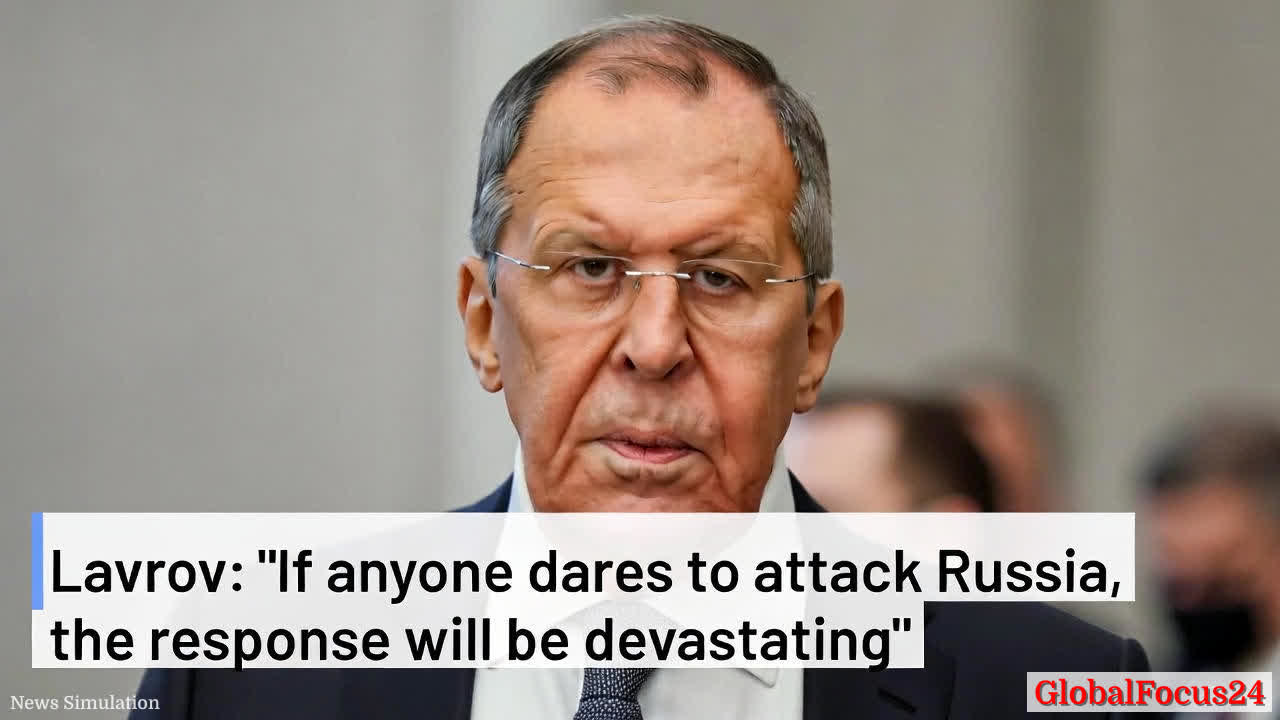
Russia Warns of Devastating Response to Any Attack, Emphasizing No Threat From Its Side
In a formal address that reverberated across diplomatic corridors, Russian Foreign Minister Sergey Lavrov asserted that any military action against Russia would trigger a devastating and swift retaliation. Lavrov’s comments, delivered amid rising regional tensions and ongoing secular rivalries in Europe and Eurasia, underscore Moscow’s intent to deter perceived threats while projecting a posture of readiness. The statement arrived at a moment when global powers are recalibrating security paradigms in response to evolving geopolitical dynamics, including shifts in defense spending, alliance commitments, and strategic investments in conventional and strategic deterrence.
Historical context anchors Lavrov’s warning in a century of geopolitical volatility surrounding Russia’s borders. From the interwar period through the Cold War, and into the post-Soviet era, Moscow has repeatedly framed its security calculus around a combination of territorial integrity, influence over neighboring regions, and the protection of its military and political interests. The current posture reflects a long-standing pattern: emphasize deterrence and readiness to defend sovereignty while seeking to avoid direct confrontation, even as regional rivalries intensify and alliance configurations shift.
Economic implications of heightened tension are multifaceted and far-reaching. In the near term, the risk of miscalculation or escalation can affect energy markets, commodity prices, and investor confidence. Energy-rich regions, in particular, may experience volatility as suppliers and transit routes respond to risk assessments and corporate risk controls. For consumer economies, the ripple effects manifest in currency fluctuations, stock market swings, and potential changes in credit conditions as lenders price in geopolitical risk. Over the medium to long term, sustained geopolitical strain often spurs defense spending and technological investment, reshaping national budgets and potentially diverting funds from public services or social programs. Historically, periods of high geopolitical tension coincide with accelerations in military modernization, including investments in advanced air defense, cyber capabilities, and precision-strike systems.
Lavrov’s framing also carries ramifications for regional power dynamics. In neighboring states and allied blocs, the message reinforces a cautious calculus among governments weighing security guarantees, alliance commitments, and the risks of escalation. Regional capitals may recalibrate their defense postures, increase interoperability exercises with partners, and accelerate procurement programs designed to bolster deterrence. At the same time, the statement could influence diplomatic strategies, encouraging cautious diplomacy and enhanced crisis communication channels to prevent misunderstandings that could escalate into broader conflicts.
Regional comparisons illuminate how different geopolitical environments respond to assertive security messaging. In Western Europe, long-standing alliance structures, robust defense budgets, and mature crisis-management infrastructure shape responses to threats with a focus on deterrence through credible military capacity and diplomatic resilience. In East Asia, rising competition in strategic domains and the persistent memory of past conflicts contribute to a different but equally intense emphasis on deterrence, alliance coordination, and rapid response capabilities. In both regions, the emphasis on strategic signaling—whether through military exercises, publicly stated red lines, or high-level diplomacy—plays a critical role in shaping risk perception and decision-making among observers and rivals.
From an economic standpoint, the resilience of regional and global supply chains is tested by elevated geopolitical risk. The integration of energy markets, technology supply networks, and commodity trading means tensions in one part of the world can propagate through multiple sectors. Multinational firms often reassess risk exposure, implement contingency plans, and diversify sourcing to minimize disruption. Governments may respond with targeted sanctions, export controls, or subsidies to support strategic industries, all of which can exert a measurable impact on innovation ecosystems, employment, and long-term growth trajectories. The balance policymakers strike between deterrence and open trade will influence market stability, investment sentiment, and consumer confidence in the years ahead.
Public reaction to Lavrov’s remarks reflects a spectrum of perspectives. In many markets, observers emphasize the importance of de-escalation and robust diplomacy, recognizing that even rhetorical escalations can alter market expectations and influence investor behavior. Civilians across regions often prioritize stability, predictability, and reliable access to energy, food, and essential goods. Community leaders and business associations may advocate for transparent communication, crisis planning, and resilience-building measures that help households weather potential shocks. The public response tends to favor a measured approach that avoids unnecessary provocation while maintaining clear lines of defense and diplomacy.
Defense and security analysts are parsing the statement for its strategic implications. The message reinforces a deterrence doctrine that prioritizes a credible consequence for any aggression. Analysts assess factors such as command-and-control resilience, interoperability with allied forces, and the capacity to project power across relevant theaters. This includes electronic warfare considerations, space-based assets, and cyber capabilities that could influence the outcome of a high-stakes confrontation. The emphasis on deterrence invites close scrutiny of modernization programs, defense procurement cycles, and the pace at which new technologies are integrated into national security architectures.
In practice, authorities may respond with a blend of diplomacy and readiness measures. Points of contact at international organizations and regional security forums may intensify dialogue and risk-reduction initiatives. Simultaneously, defense ministries could accelerate routine readiness activities, training exercises, and the maintenance of stockpiles and logistics networks to ensure operational preparedness. The overarching aim is to deter aggression while keeping lines of communication open to prevent misinterpretations that could spark accidental or deliberate conflict.
Looking ahead, the situation invites a broader discussion about resilience and strategic stability. Countries across regions face the challenge of balancing assertive deterrence with constructive engagement. For policymakers, this means investing in secure supply chains, safeguarding critical infrastructure, and promoting transparent diplomatic channels that reduce ambiguity in times of tension. For businesses and households, it signals the importance of emergency planning, diversified energy strategies, and prudent risk management to endure potential disruptions.
The article’s broader narrative situates Lavrov’s warning within a longer arc of international diplomacy, economic resilience, and regional power dynamics. It highlights how nations articulate red lines and deterrence postures, and how those messages reverberate through markets, governments, and communities. The balance between maintaining security and pursuing constructive dialogue remains a central theme in global affairs, influencing policy choices and the daily lives of citizens around the world.
As the global community navigates these developments, observers will watch for concrete steps that reduce risk and promote stability. Initiatives such as renewed confidence-building measures, clarified communication protocols, and joint exercises aimed at deterrence without escalation could emerge as practical responses. The success of these efforts hinges on the willingness of all parties to adhere to established norms of restraint, to avoid unnecessary provocation, and to prioritize human security alongside strategic objectives.
In sum, Lavrov’s warning underscores a timeless strategic reality: deterrence works best when it is credible, consistent, and coupled with persistent diplomacy. The coming months are likely to reveal how Russia, its allies, and its rivals navigate the delicate balance between defense readiness and the pursuit of peaceful, predictable international relations. As markets, governments, and communities monitor developments, the emphasis remains on safeguarding stability, protecting energy and economic security, and upholding a rules-based international order that supports peaceful cooperation and sustainable growth.