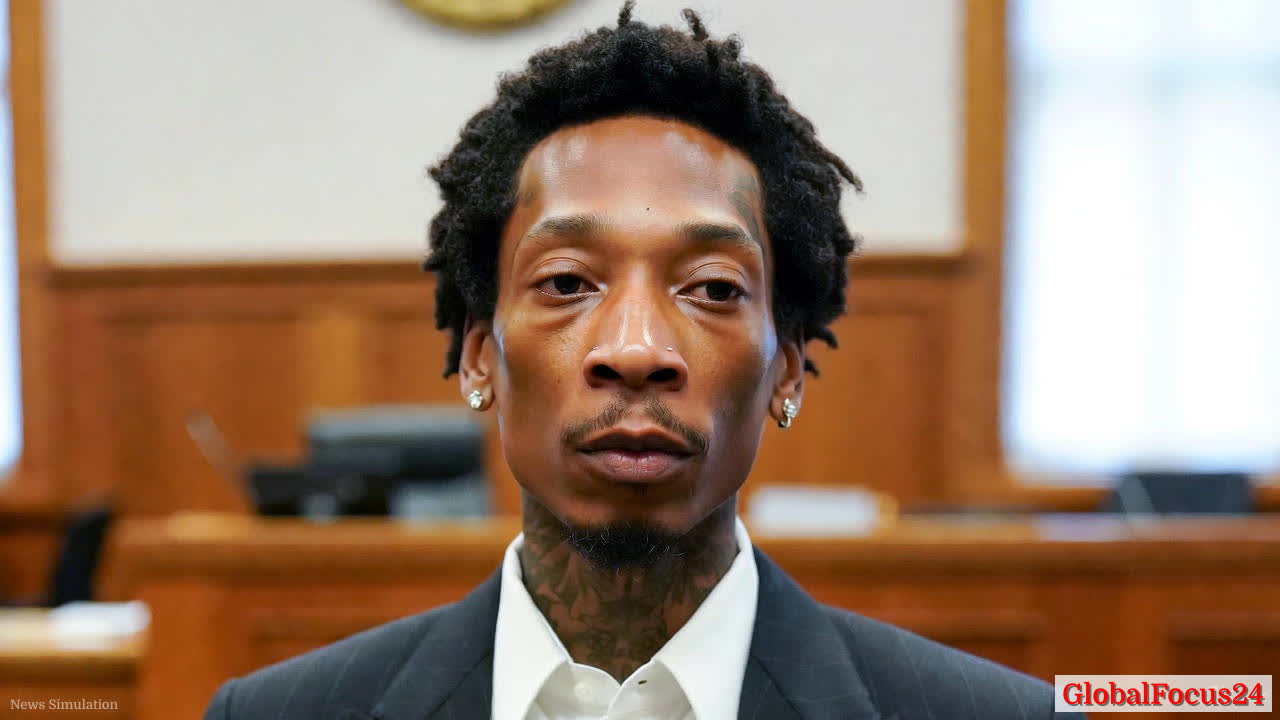
Wiz Khalifa Interview Sparks Conversation on Longevity, Creativity, and Cultural Trends in Modern Hip-Hop
A professional examination of Wiz Khalifa’s evolving career reveals a musician who continually redefines longevity in a rapidly changing industry. From breakout mixtapes to chart-topping albums, Khalifa’s path offers insights into how artists sustain relevance, navigate shifting consumer tastes, and balance commercial success with artistic identity. This article places his current trajectory in historical context, analyzes the economic impact of his brand, and draws regional comparisons that illuminate broader trends in global hip-hop markets.
Historical Context: From Breakout to Brand Wiz Khalifa’s rise began in the early 2000s as a prolific mixtape creator who built a devoted following with accessible melodies and a laid-back persona. His early work emphasized a blend of street realism and carefree swagger, a formula that resonated with diverse audiences. The move from underground notoriety to mainstream recognition occurred with a combination of smart collaborations, memorable anthems, and strategic touring. In the years since, Khalifa has transitioned from primarily a rapper to a multifaceted brand figure, encompassing endorsements, film and television appearances, and a steady stream of music releases that keep him visible in an industry where novelty often fades quickly.
The historical arc here mirrors broader patterns in hip-hop, where artists leverage the strength of a recognizable persona while expanding into adjacent revenue streams. Khalifa’s career demonstrates how longevity can be achieved not merely through prolific output but by maintaining cultural relevance, sustaining a loyal fan base, and adapting to new distribution models. His approach provides a case study in the evolution of a modern rapper who remains rooted in authentic storytelling while embracing commercial opportunities that extend beyond the recording studio.
Economic Impact: Revenue Streams and Market Influence A sustained career in contemporary music depends on diversified income and strategic monetization. Wiz Khalifa’s business model highlights several key revenue streams that have become standard for successful acts in the streaming era:
- Recording and publishing royalties: New and legacy catalog plays contribute to ongoing income, with streaming platforms providing a steady, if fluctuating, revenue stream as audience access remains high.
- Live performances and touring: Concerts continue to be a primary revenue driver for established artists. Khalifa’s touring history, includingshows and festival appearances, demonstrates the enduring demand for live experiences even as streaming reshapes the economics of music consumption.
- Brand collaborations and endorsements: Strategic partnerships with lifestyle brands, beverage lines, apparel, and technology companies have become essential for artists seeking diversified income and cross-market visibility.
- Content and media ventures: Appearances in film, television, and digital media, along with potential production roles, broaden the financial footprint beyond music sales and streams.
- Merchandising and fan clubs: Branded merchandise and exclusive fan experiences create recurring revenue while reinforcing artist identity.
In regional markets, Khalifa’s appeal translates into varying economic dynamics. In North America, major tours and festival slots generate substantial direct revenue and related tourism activity, while in European and Asian markets, his international footprint supports licensing deals, venue partnerships, and local media exposure. The ability to monetize across geographies reflects a broader trend in which artists cultivate global fanbases and localize their branding to resonate with diverse cultural contexts.
Regional Comparisons: Global Hip-Hop Ecosystem Several regional ecosystems can be compared to Khalifa’s trajectory to understand how longevity is achieved in different markets:
- North America: The traditional stronghold for hip-hop, where streaming, radio, and touring combine to sustain an artist’s career. Khalifa’s impact here is amplified by collaborations with other chart-topping acts and participation in high-profile festivals.
- Europe: European markets have a distinct appetite for live performances, festival culture, and collaborations with local artists. The revenue mix often emphasizes touring density and festival slots, as well as streaming growth in non-English-language markets.
- Latin America and Africa: These regions show rapid growth in streaming penetration and live events, with audiences drawn to global hip-hop personalities who blend universal themes with local flavor. Engaging with regional producers and live audiences helps artists maintain momentum.
- Asia-Pacific: In markets like Japan, South Korea, and parts of Southeast Asia, hip-hop fans increasingly seek authentic acts with strong stage presence and reliable tour schedules, creating opportunities for cross-market collaborations and brand campaigns.
Cultural and Societal Impacts: Public Perception and the Artist-Listener Dynamic Artists who maintain longevity often balance public perception with evolving societal norms. Wiz Khalifa’s public narrative—characterized by a relaxed persona, accessible storytelling, and candid engagement with fans—resonates with listeners seeking relatability alongside artistic credibility. This balance can influence broader cultural conversations about authenticity in an era of highly curated public personas.
Public reaction to an artist’s career decisions—whether it involves collaborations, genre experimentation, or offbeat promotional campaigns—can shape audience engagement and brand value. Khalifa’s ability to stay relevant hinges on his capacity to respond to fan feedback, adapt to new distribution channels, and sustain a compelling artistic voice that remains distinct within a crowded field.
Artistic Evolution: Creativity and Adaptation Over time, Khalifa has experimented with different sonic textures, production partners, and lyrical themes. This adaptability supports creative freshness while preserving core elements of his artistic identity. In practice, this means:
- Embracing contemporary production trends without losing signature melodic hooks.
- Collaborating with emerging and established artists to access new audiences.
- Curating projects that showcase a range of moods, from celebratory anthems to introspective tracks.
Such a balance helps an artist maintain momentum across album cycles, singles, and multimedia projects, keeping fans engaged and attracting new listeners who may discover his catalog through streaming recommendations or featured appearances.
Historical and Industry Context: Platform Shifts and Content Ecosystems The music industry has undergone transformative changes driven by streaming, social media, and direct-to-fan engagement. Khalifa’s career mirrors the broader shift toward:
- Platform-native releases: Releasing music across streaming services with optimized rollout strategies to maximize discovery and chart performance.
- Cross-media branding: Integrating music with film, television, and digital content to broaden reach and diversify revenue.
- Fan-centric marketing: Building closer connections through social platforms, exclusive drops, and interactive experiences that deepen loyalty.
These dynamics require a nimble strategy, as audience attention becomes increasingly fragmented and competition for listeners intensifies. Khalifa’s ongoing relevance illustrates how veteran artists can leverage data-driven insights, partnerships, and storytelling to sustain impact over a decade or more.
Future Trajectories: What Comes Next Looking ahead, Wiz Khalifa’s trajectory is likely to be shaped by several forces:
- Continued collaboration with rising talents to access fresh audiences while preserving his established fan base.
- Strategic capitalizing on streaming-era opportunities such as curated playlists, immersive experiences, and exclusive content deals.
- Potential returns to festival circuits and international markets as demand for live experiences persists post-pandemic.
- Exploration of new media formats, including podcasts, film projects, and behind-the-scenes music documentaries that amplify his narrative.
Such moves would reinforce his position as a veteran artist who remains culturally relevant in an industry that rewards both innovation and reliability.
Public and Industry Reactions: Listener Sentiment and Critical Assessment Public reception to Khalifa’s ongoing output often emphasizes his consistency and accessibility. Critics generally acknowledge his ability to deliver catchy hooks and memorable melodies while maintaining a clear artistic identity. The industry perspective tends to highlight his strategic partnerships, business acumen, and influence on younger artists who look to successful veterans as benchmarks for sustainable careers.
Conclusion: Longevity as a Blueprint for Modern Hip-Hop Wiz Khalifa’s career offers a nuanced blueprint for longevity in the fast-paced world of contemporary hip-hop. His trajectory demonstrates that enduring relevance comes from a combination of musical authenticity, strategic diversification, and an ability to connect with audiences across generations and geographies. As markets evolve and new platforms emerge, Khalifa’s model—balanced between core artistry and adaptive branding—serves as a reference point for artists seeking enduring impact beyond initial breakout success.
Note on Context: The broader music landscape continues to evolve with shifts in consumer behavior, regulatory environments, and global streaming dynamics. Artists who navigate these changes with clarity, creativity, and a commitment to authentic storytelling are positions to shape the next era of hip-hop while preserving the cultural significance that first brought them into the spotlight.