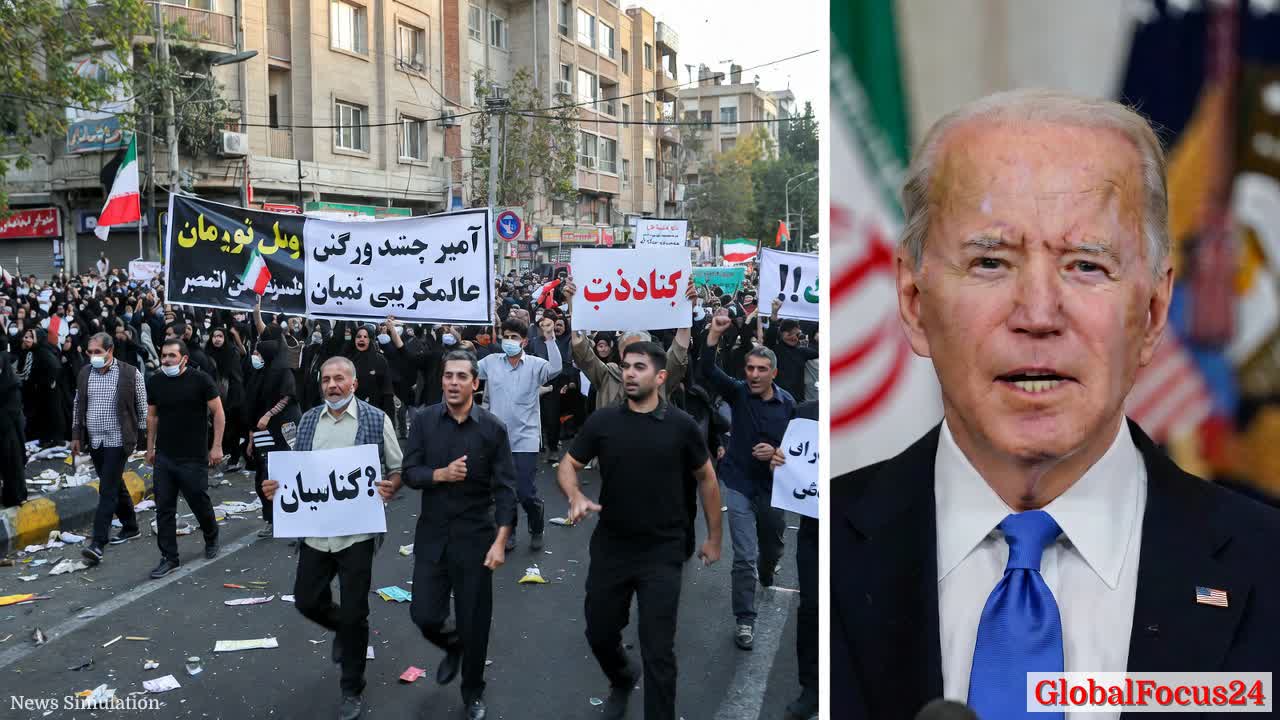
Trump weighs 'very strong' options as Iran protests surge amid deadly crackdown
In the third week of nationwide demonstrations across Iran, the country stands at a pivotal crossroads as protests sparked by grievances over economic hardship, political restrictions, and social freedoms collide with a government crackdown that rights groups say has resulted in hundreds of fatalities. The unfolding crisis has drawn international attention to the perseverance of protesters, the resilience of Iranian civil society, and the complex geopolitical dynamics shaping responses from regional actors and world powers alike.
Historical context anchors present-day events in a long arc of public dissent and state response in Iran. From the 1979 revolution to the post-reamp era of political modernization, waves of dissent have repeatedly tested the balance between authority and popular will. Economic pressures, unemployment, inflation, and sanctions have compounded public grievances in recent years, fueling demonstrations that often begin as localized protests and quickly expand into broader calls for accountability and reform. The current protests reflect a historical pattern wherein sheaf-like clusters of grievances—economic anxiety, political rigidity, and social restrictions—coalesce into a national challenge to the status quo.
What began as a series of localized demonstrations has quickly become a nationwide movement characterized by sustained street presence, digital-era organization, and a diverse coalition of participants. Organizers and participants have leveraged social networks and encrypted messaging to coordinate marches and candlelight vigils, countered by sophisticated government controls over internet access intended to limit organizational capacity and outside influence. The tension between the right to assembly and the state's imperative to maintain public order has been a defining feature of many past episodes, but in this moment the scale and speed of mobilization are notable for their breadth across provinces and urban centers.
Economic implications of the protests are multifaceted and extend beyond the immediate social and political spheres. Middle- and low-income households bear the brunt of inflation and currency depreciation, which affect daily essentials such as food, housing, and energy costs. Businesses face supply chain disruptions, rising operating costs, and precautionary closures during periods of heightened tension. In the broader regional economy, sustained instability can influence foreign investment decisions, energy trading routes, and import costs, particularly for goods sourced from or routed through Iran. The repercussions ripple outward to neighboring economies that rely on stable regional markets and reliable transit corridors.
Energy markets offer a salient lens through which to view the implications of the turmoil. Iran’s role in global energy markets, as a major producer in the Middle East, means regional supply perceptions and sanctions dynamics can affect crude price volatility and the broader energy complex. Historically, geopolitical shocks in the Persian Gulf have had outsized effects on global energy prices, though the extent of impact depends on the duration of unrest, sanctions regimes, and the ability of producers to compensate for any shortfalls. Market participants watch for signals about production continuity, refinery operations, and potential diversions in crude flows that could influence prices at the pump and energy bills worldwide.
Regional comparisons illuminate how other countries have navigated public dissent and government responses in similar contexts. In several neighboring states, protests have underscored a recurring theme: the balance between security measures and civil liberties, and the degree to which governments are willing to engage with dissenting voices through reform or repression. Some nations have pursued gradual policy adjustments aimed at addressing economic grievances, while others have maintained stricter controls over public expression, resulting in varied long-term outcomes for political stability and social cohesion. The current Iranian situation is being monitored against this backdrop, with analysts evaluating both the domestic response and the international diplomatic environment as indicators of potential resolution pathways.
Public reaction to the protests has been intense and multifaceted. In urban centers and smaller cities alike, demonstrators have voiced concerns about economic hardship, personal freedoms, and perceived government accountability. At the same time, security forces and state-aligned groups have described the protests as irregular, sometimes violent actions that threaten public order. The dynamic has prompted a spectrum of responses—from peaceful marches and candlelight vigils to confrontations that heighten the sense of urgency among residents and observers. Public sentiment appears deeply divided in some areas, while more cohesive in others where communities rally around common grievances and calls for reform.
International responses have focused on humanitarian considerations, human rights standards, and geopolitical calculations. Foreign governments and regional organizations have expressed concern about escalation, urged restraint, and called for transparent investigations into reported abuses. Sanctions regimes and diplomatic channels have been employed as tools to influence state behavior, though the efficacy of such measures varies depending on the specific objectives and the evolving political landscape. The complexity of international engagement underscores the importance of maintaining a measured, human-centered approach that prioritizes civilian safety and the protection of fundamental rights.
Security and humanitarian dimensions are central to the evolving situation. Authorities face the challenge of maintaining order while ensuring the protection of civilians, particularly in areas where demonstrations have become most persistent. Humanitarian actors emphasize the need for safe corridors, access to essential services, and accuracy in reporting injuries and fatalities to avoid misinformation. In conflict ecosystems, it is common for misinformation to proliferate in periods of high tension; credible, verifiable information becomes essential for public understanding and policy response. The balance between rapid information dissemination and accuracy remains a critical concern for journalists, policymakers, and international observers.
The potential for external military options adds another layer of complexity to the crisis. Diplomatic channels remain open in some quarters, while others weigh more assertive responses. The calculus behind any decision involves assessing regional stability, potential spillover effects, and the humanitarian consequences of escalation. In markets and policy circles, analysts scrutinize the probability of foreign military engagement and its likely impact on regional security, energy markets, and international relations. The atmosphere is one of cautious observation as leaders determine whether restraint or decisive action serves strategic interests without triggering broader instability.
In sum, the unfolding events in Iran represent a critical test of resilience for civil society, governance structures, and international diplomacy. The convergence of economic strain, social demands, and political authority creates a volatile environment where the stakes are high for ordinary citizens and for the regional order. As authorities and protesters navigate this charged landscape, observers emphasize the need for verified information, proportional responses, and a commitment to protecting civilians. The coming days are likely to be decisive in shaping not only Iran’s internal trajectory but also its relationship with global markets, regional partners, and the broader conversation about governance, rights, and economic opportunity in the 21st century.