Arctic Turn: Greenland Standstill Tests Security, Economy, and Regional Identity
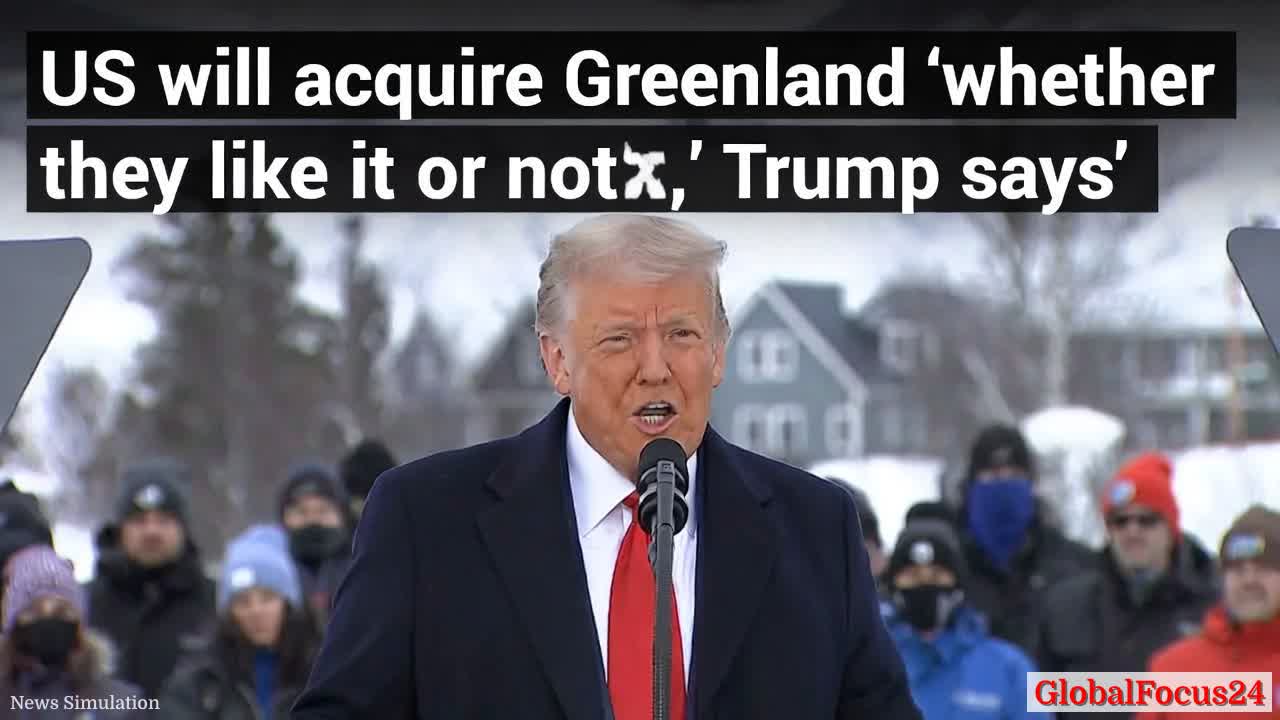
Greenland sits at a geopolitical crossroads where climate change, global trade routes, and great-power competition collide. In recent weeks, statements from the United States about Greenland’s strategic value have amplified a broader conversation about Arctic security, resource potential, and regional resilience. While the rhetoric has triggered immediate reactions, the deeper implications extend well beyonds, influencing investment decisions, infrastructure planning, and national narratives across Greenland, Denmark, and neighboring Arctic communities.
Historical Context: A Long Arc of Arctic Interest
Greenland’s place in world affairs has long reflected its unique geography and governance. As the world’s largest island, its ice sheet carries implications for sea-level rise, weather patterns, and the stability of Northern Europe and North America. The island’s status evolved from colonial remoteness to a modern conversation about sovereignty, economic development, and climate adaptation. In the late 20th and early 21st centuries, Greenland’s strategic value surged as melting ice opened potential new sea routes and access to untapped mineral and energy resources. International interest has always shaded the island with both opportunity and sensitivity, making decisions about its future a matter of careful diplomacy and economic prudence.
Economic Landscape: Opportunities and Contours
Greenland’s economy remains modest by broader global standards, anchored by a few core sectors: mining, fishing, tourism, and public sector employment. Mining—particularly for rare earth elements, precious metals, and other minerals—has long been a focal point for external investors and for Greenland’s own developmental goals. The Arctic environment, while fragile, offers a mix of opportunities and constraints; extraction must contend with environmental safeguards, infrastructure needs, and the costs of operating in remote locations with extreme weather conditions.
In recent years, Greenland has sought to diversify beyond traditional industries. Investments in port facilities, air links, and renewable energy infrastructure aim to reduce logistics bottlenecks and increase resilience. Tourism, drawn by pristine landscapes and unique cultural experiences, provides a complementary revenue stream but requires careful planning to balance ecological stewardship with economic growth. The island’s energy potential, particularly hydropower and geothermal resources, presents a path toward more sustainable development and lower operating costs for future projects.
The potential strategic impetus behind calls to “acquire Greenland” unfolds a separate economic thread: how international attention could influence investment, financing terms, and risk premiums. When great powers signal interest in a region, capital markets and private firms evaluate supply chains, transport corridors, and regulatory environments with heightened sensitivity. For Greenland, engagement with multiple partners—nordic neighbors, the European Union, and global investors—could catalyze infrastructure upgrades, from icebreakers and ports to digital connectivity and cold-chain logistics. Yet such opportunities must be weighed against sovereignty concerns, environmental standards, and the need to retain local control over natural resources and policy choices.
Regional Comparisons: Arctic Counterparts and Global Echoes
Greenland sits among several Arctic players navigating similar dynamics. In nearby Canada, remote northern communities face the challenge of balancing resource development with cultural preservation and ecological risk. Norway’s Arctic zones emphasize sovereign governance and robust social welfare systems, anchored by long-standing energy leadership and a strong commitment to environmental stewardship. Denmark, as Greenland’s sovereign state in many respects, must balance budgetary realities with strategic imperatives, while maintaining the island’s autonomy and ensuring the well-being of its residents.
Across the Arctic, nations increasingly emphasize a mix of defense readiness, habitat resilience, and sustainable economics. Cooperation mechanisms—through regional forums, environmental agreements, and scientific partnerships—underscore a shared understanding that climate-driven changes demand collaborative risk management. The Greenland question thus becomes part of a broader mosaic: how coastal communities, indigenous populations, and national governments adapt to a rapidly changing environment while sustaining livelihoods and cultural heritage.
Security and Defense: Strategic Calculus in a Complex Arena
Arctic security concerns have grown as melting ice reshapes naval routes and transoceanic logistics. The strategic importance of Greenland—given its location between North American and European theaters—has made it a focal point in high-stakes discussions about resilience, basing rights, and power projection. Proponents argue that a well-planned Arctic posture—combining radar, early-warning capabilities, and joint training with regional partners—could bolster deterrence and crisis management. Critics warn that aggressive posturing risks escalation, can complicate local governance, and may divert resources from pressing social and economic needs on the ground.
An objective assessment emphasizes proportional, rules-based engagement, with emphasis on transparency, mutual benefit, and long-term sustainability. Any approach should prioritize the safety and prosperity of Greenlandic communities, ensure environmental safeguards, and align with international norms governing Arctic governance. The true payoff lies not in symbolics but in credible, cooperative arrangements that strengthen resilience—from search and rescue capacity to disaster preparedness and climate adaptation.
Public Reaction: Local Voices and Social Impacts
Residents of Nuuk and other Greenlandic communities watch global developments with a pragmatic lens. For many, economic diversification and investment in local services remain central priorities. At the same time, stability and predictable governance matter deeply, especially given the island’s exposure to climate-driven hazards and the costs associated with maintaining essential infrastructure in remote areas.
Public sentiment often questions the balance between external strategic attention and local autonomy. Residents express a preference for partnerships that respect Greenland’s governance framework, deliver tangible improvements in jobs and services, and uphold environmental integrity. As international interest intensifies, communities emphasize the need for inclusive dialogue that centers indigenous knowledge, cultural preservation, and equitable sharing of benefits from natural resources.
Environmental Imperatives: Balance Between Development and Preservation
Arctic development cannot be decoupled from the region’s environmental realities. Greenland’s ice cap, fragile ecosystems, and delicate coastal habitats are integral to global climate systems. Economic activities must be designed with rigorous environmental safeguards, comprehensive impact assessments, and transparent monitoring. The Arctic’s interconnectedness means local choices reverberate globally: policy decisions here influence downstream climate patterns, biodiversity, and the livelihoods of communities far beyond Greenland’s shores.
Investments in renewable energy, energy efficiency, and sustainable mining practices are essential components of a prudent development pathway. By prioritizing low-emission logistics, cold-chain innovations, and robust environmental governance, Greenland can pursue growth while preserving its natural heritage for future generations.
Infrastructure and Connectivity: A Catalyst for Growth
Improving infrastructure is a recurring theme in Arctic development. Reliable air and sea links, upgraded port facilities, and dependable internet connectivity can transform how Greenland participates in regional trade, tourism, and scientific collaboration. These improvements reduce isolation, attract investment, and enhance the quality of life for residents. Public-private partnerships, international financing, and targeted government programs could accelerate these outcomes, provided they are designed with accountability and community oversight.
Regional infrastructure investments also have spillover effects for neighboring regions. Enhanced Arctic logistics corridors can shorten transit times for critical goods, improve medical supply chains, and enable more effective disaster response. In this context, Greenland’s development is not an isolated project but part of a broader push to modernize Arctic economies in a way that safeguards livelihoods and preserves the environment.
Conclusion: Navigating a Complex Arctic Epoch
Greenland’s evolving role in global affairs is a microcosm of the wider Arctic question: how to reconcile strategic interest with economic development, environmental stewardship, and local autonomy. The current discourse—centered on security considerations, economic potential, and regional dynamics—highlights the need for a measured, principled approach that benefits Greenlandic communities while contributing to regional stability.
Policy-makers, investors, and researchers alike should anchor decisions in transparent governance, solid environmental safeguards, and inclusive stakeholder engagement. The Arctic’s future will be written not only ins but in the steady work of building resilient communities, sustainable industries, and cooperative frameworks that withstand geopolitical volatility while promoting shared prosperity.
Public awareness and regional collaboration will be decisive in shaping outcomes. As Greenland navigates this pivotal period, the emphasis remains on balancing security with sovereignty, economic ambition with environmental care, and external interest with internal autonomy. The road ahead will demand disciplined diplomacy, pragmatic investment, and an abiding respect for the Arctic’s unique place in the global landscape.