)
TRILLIONS AT STAKE: US TARIFFS, SUPREME COURT RULING PROMPTS WIDE ECONOMIC RESPONSE
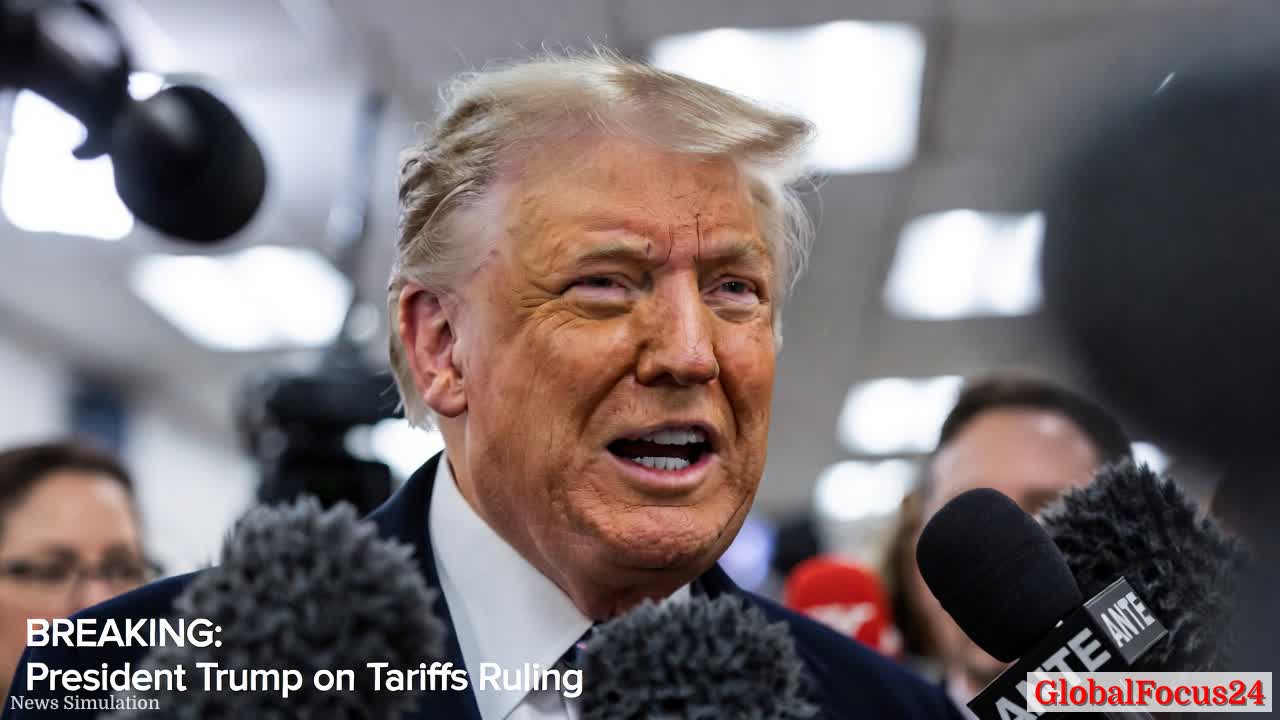
A potential Supreme Court ruling on tariffs could trigger a seismic shift in U.S. trade policy and the broader economy, with critics warning of ripple effects across industries, consumers, and state budgets. As the court weighs the legality of tariff measures tied to national security and other aims, policymakers, businesses, and households brace for a range of possible outcomes, from Japan-sized disruptions to a shakier, more uncertain investment environment.
Historical context: tariffs as a longtime economic instrument
Tariffs have long served as a tool for shaping international trade relations, protecting nascent domestic industries, or leveraging leverage in negotiations. The 19th and early 20th centuries featured protective policies that helped build heavy manufacturing sectors in several economies, while modern tariff regimes emphasize targeted measures designed to address unfair trade practices, national security concerns, or revenue needs. The current legal framework treats tariffs as executive instruments subject to statutory limitations and judicial scrutiny, creating a complex interplay between economic objectives and constitutional or statutory boundaries. As a result, a ruling against certain tariffs would not simply erase duties; it would reframe established anticipations about how and when measures can be deployed, and how the resulting revenue flows and supply chain impacts are managed.
Economic impact: direct, indirect, and induced effects
- Direct effects: Tariffs alter the relative prices of imported goods, affecting consumer and producer behaviors. Domestic producers may benefit from reduced competition in some sectors, while consumers and downstream industries face higher input costs that can squeeze margins and wages. In a worst-case scenario, widespread tariff exposure could dampen consumer purchasing power and slow demand in sensitive sectors like electronics, autos, and household goods. These shifts tend to be immediate, but their full effects unfold over months as firms adjust sourcing, pricing, and inventory strategies. A ruling that limits or eliminates tariffs would likely shift those direct price pressures in unpredictable ways, potentially relieving some pockets of consumer cost while altering investment incentives for affected industries.
- Indirect effects: Tariffs ripple through the economy via supplier networks and business services. Suppliers may experience revenue changes as orders reconfigure to alternative inputs or markets, while logistics, warehousing, and distribution sectors adjust to new tariff regimes or exemptions. In regions with concentrated manufacturing clusters, tariff-related disruptions can translate into localized employment shifts and altered regional specialization. A court decision that narrows tariff authority could reduce some of these indirect pressures, but it may also complicate existing trade negotiations that rely on tariff-based leverage.
- Induced effects: The broader household spending response to tariff changes can be substantial. When consumer prices rise due to tariffs, households recalibrate budgets, potentially reducing discretionary spending, travel, or durable purchases. Conversely, tariff reductions or exemptions can free up household income for other goods and services, stimulating demand in areas that rely on consumer spending. The net effect depends on how households allocate income across sectors and how quickly firms adjust wages and hiring to reflect new price realities.
Regional comparisons: who bears the brunt, where shifts may occur
- Manufacturing belts versus consumer hubs: Regions with heavy reliance on import-intensive manufacturing may experience more pronounced price and supply chain volatility under tariff regimes. Areas with diversified economies or strong export sectors may demonstrate resilience if tariff policy evolves toward targeted, rule-based approaches. Comparatively, consumer-focused regions could feel the impact of higher prices more acutely if duties pass through to retail costs.
- Urban versus rural dynamics: Urban economies often have more flexible labor markets and greater access to capital to pivot sourcing and production. Rural and smaller metro areas, where a few industries dominate local economies, may face sharper employment exposure if tariff changes alter demand or supply networks. In any outcome, regional planners will need to adapt industrial diversification, infrastructure investment, and workforce development strategies to the new policy environment.
- Sector-by-sector implications: Automotive, electronics, and agriculture are commonly cited as sensitive to tariff changes due to global supply chain linkages, cross-border sourcing, and price competitiveness. Energy-intensive sectors and high-tech manufacturing may experience delayed adjustment as capital equipment cycles and supplier agreements adjust to the new cost structures. The exact winners and losers will depend on how tariffs are calibrated, exemptions granted, and follow-on policies implemented by the administration and Congress.
Public reaction and consumer sentiment: a moving target
Public reaction to tariff policy is often shaped by perceptions of price changes, job security, and the broader discourse around trade. When tariffs are framed as tools to defend national interests or rebalance trade, some households may express support for protective measures, while others prioritize lower prices and stable inflation. In the event of a Supreme Court ruling limiting tariffs, public sentiment could pivot toward relief in some consumer categories but concern over potential pricing volatility in others, especially if traders anticipate further policy shifts. Businesses, in turn, will monitor consumer responses, supply chain stability, and access to financing as they recalibrate strategies.
Policy implications: what a ruling could mean for fiscal and monetary conditions
- Revenue implications: Tariffs contribute to federal and state treasuries and can influence budget planning, program funding, and debt service calculations. A ruling that constrains tariff authority could reduce tariff revenue in certain fiscal years, prompting adjustments in tax policy or spending plans. Conversely, clearer limitations on tariffs might reduce revenue volatility associated with sudden tariff escalations, aiding in more predictable budgeting.
- Inflation and monetary policy: Tariff-driven price changes can feed into inflation measures, affecting consumer price indices and monetary policy commentary. If a decision curtails tariff use, inflation dynamics may shift, potentially altering the trajectory of central bank policy. Analysts will watch for incremental changes in consumer prices, particularly for goods with complex supply chains that involve imported components.
- Trade policy strategy: A Court decision could influence future trade negotiation tactics, with policymakers potentially favoring non-tariff instruments such as sanctions, subsidies, or regulatory alignment. This shift would reverberate through global markets, affecting foreign direct investment flows, exchange-rate volatility, and regional supply chains. In this environment, proactive communication and transparent policy design become crucial to stabilizing markets and informing business planning.
Regional economic resilience: how communities can adapt
- Diversification and upskilling: Regions that emphasize diversification across industries and invest in workforce training tend to weather tariff-related shocks more effectively. Programs that align with evolving supply chains—such as advanced manufacturing, clean energy, and digital services—can provide new employment opportunities and reduce reliance on a single economic pillar.
- Infrastructure and logistics: Efficient ports, border crossings, and inland transportation networks can mitigate tariff-related frictions by smoothing import-export flows and reducing dwell times. Investments in cold-chain capabilities, warehousing, and seamless customs processes help regional economies stay competitive even amid policy volatility.
- Small business support: Access to credit, grant programs, and technical assistance can help small and medium-sized enterprises adapt to tariff changes. By supporting product diversification, sourcing flexibility, and export readiness, regional economies can maintain momentum and preserve local employment.
Global context: comparisons beyond the United States
- European and Asian parallels: Tariff policy and its judicial contours are central to many economies, with regional blocs often balancing protectionist instincts against commitments to free trade. In some markets, court interpretations of trade law influence how swiftly governments can adjust duties in response to global conditions. The outcome of any domestic tariff ruling can influence investor perceptions and competitive dynamics across continents, prompting businesses to rethink where and how they manufacture, source, and sell goods.
- Emerging markets and supply chains: For economies heavily embedded in global supply chains, tariff shifts can create sudden cost pressures or opportunities for reshoring. The direction of investment may hinge on tariff predictability, and regional policy responses will influence how quickly firms adapt and scale new capabilities.
What comes next: timelines, uncertainties, and planning considerations
- Timing of the ruling and immediate effects: A Supreme Court decision could come within days or weeks, with market participants rushing to assess implications for pricing, contracts, and supply chain arrangements. Businesses will closely monitor legal language to gauge whether exemptions, phase-ins, or sunset provisions might mitigate abrupt changes.
- Medium-term adjustments: Depending on the ruling, firms may reconfigure supplier networks, adjust inventory strategies, or accelerate capital investments in automation and local production. Regions that have already begun resilience-building measures stand to benefit from smoother transitions and less disruption to employment.
- Long-run trajectories: The interaction between judicial rulings, legislative responses, and executive policy will shape the long-run trajectory of U.S. trade policy. A more constrained tariff framework could push markets toward alternative instruments of influence, while a broader, more permissive framework might reintroduce tariff volatility as a recurring risk. Stakeholders across sectors should prepare for a spectrum of outcomes and maintain flexible, data-driven planning.
Public interest: ensuring transparency and accountability
As policymakers deliberate, transparency about how tariff decisions affect households and businesses remains essential. Clear communication about potential price impacts, sourcing changes, and support programs can help communities anticipate shifts and adapt more effectively. Stakeholders—ranging from industry associations to local chambers of commerce and consumer advocacy groups—will likely emphasize the need for predictable rules, timely guidance, and robust data on economic effects to inform decision-making.
In sum, the potential Supreme Court ruling on tariffs places the United States at a critical juncture in economic policy, with reverberations that could touch every corner of the economy. From the immediate pressure on consumer prices to the longer-term questions about regional resilience and global competitiveness, the outcome will shape the business climate, labor markets, and fiscal geography for years to come. The public and private sectors alike will be watching closely as the legal and economic inputs converge, seeking a path that sustains growth, protects households, and preserves the integrity of U.S. trade relations in a rapidly changing global marketplace.