Trump Responds to Iran’s Closure of Strait of Hormuz, Vows U.S. Will Not Yield to Pressure
Rising Tensions in a Critical Global Shipping Corridor
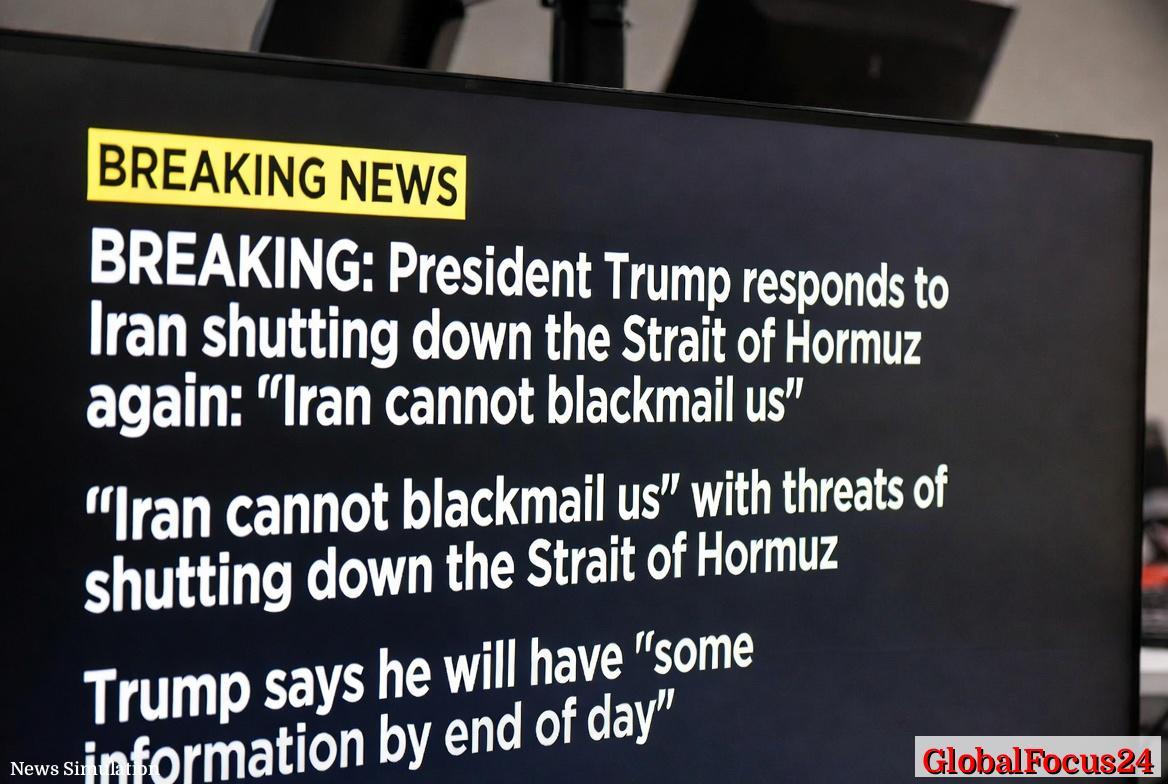
U.S. President Donald Trump said Iran “cannot blackmail us” following Tehran’s latest move to shut down the Strait of Hormuz, a narrow but vital waterway through which a significant portion of the world’s oil supply flows. Speaking to reporters, Trump emphasized that the United States would not be pressured by threats to the strategic corridor and indicated that further details on the administration’s response would be released by the end of the day.
The Strait of Hormuz, located between Iran and Oman, connects the Persian Gulf to the Arabian Sea and is widely regarded as one of the most important chokepoints in global energy trade. Roughly one-fifth of the world’s petroleum liquids pass through the strait daily, making any disruption a matter of immediate international concern.
Iran’s decision to close the passage has triggered alarm across global markets, prompting fears of supply disruptions, price volatility, and broader geopolitical instability in the Middle East.
Strategic Importance of the Strait of Hormuz
The Strait of Hormuz is only about 21 miles wide at its narrowest point, yet it handles an immense volume of maritime traffic. Oil and liquefied natural gas shipments from major producers—including Saudi Arabia, Iraq, the United Arab Emirates, and Kuwait—depend heavily on this route.
Energy analysts have long warned that even a temporary closure could send shockwaves through global markets. The waterway has few viable alternatives, and rerouting shipments typically involves significantly higher costs and logistical complexity.
Key facts about the strait include:
- Approximately 17 to 20 million barrels of oil pass through daily.
- It serves as the primary export route for Gulf energy producers.
- Disruptions can impact not only oil but also global shipping insurance rates and freight costs.
The current situation underscores how vulnerable global supply chains remain to geopolitical developments in this region.
Historical Context of Hormuz Tensions
Tensions involving the Strait of Hormuz are not new. The waterway has been a flashpoint for decades, particularly during periods of heightened conflict between Iran and Western powers.
During the 1980s Iran-Iraq War, the so-called “Tanker War” saw both sides target oil shipments, prompting U.S. naval intervention to protect commercial vessels. More recently, periodic threats by Iran to close the strait have emerged in response to economic sanctions and military pressure.
Previous incidents have included:
- Seizures of commercial tankers.
- Drone and missile attacks on nearby oil infrastructure.
- Naval standoffs involving U.S. and allied forces.
While full closures have been rare and typically short-lived, even the threat of disruption has historically been enough to drive up oil prices and unsettle markets.
Economic Impact and Market Reaction
Global energy markets reacted swiftly to news of the shutdown. Oil prices surged in early trading, reflecting concerns about reduced supply and heightened risk premiums. Analysts note that sustained disruption could push prices significantly higher, potentially affecting inflation rates and economic growth worldwide.
The economic ripple effects extend beyond energy markets. Industries dependent on fuel—such as aviation, shipping, and manufacturing—face increased costs, which may ultimately be passed on to consumers.
Potential economic consequences include:
- Higher gasoline and diesel prices in major economies.
- Increased shipping costs due to rerouting and insurance premiums.
- Volatility in stock markets, particularly in energy and transportation sectors.
In the United States, energy independence has improved resilience compared to past decades, but global pricing dynamics still influence domestic markets. Consumers and businesses alike may feel the effects if the situation persists.
U.S. Response and Strategic Considerations
President Trump’s statement signals a firm stance against what the administration views as coercive tactics. While details of the U.S. response remain pending, potential options could include diplomatic engagement, increased naval presence, or coordination with international allies to ensure freedom of navigation.
The U.S. Fifth Fleet, based in Bahrain, plays a central role in securing maritime routes in the region. Historically, the United States has worked alongside allied nations to deter threats and maintain open shipping lanes.
Strategic considerations facing policymakers include:
- Balancing deterrence with the risk of escalation.
- Coordinating with European and Asian allies heavily dependent on Gulf energy.
- Ensuring stability in global markets while addressing security concerns.
Trump’s remarks suggest that the administration is preparing a measured response, though the exact approach remains unclear.
Regional and Global Reactions
Countries across Europe and Asia have expressed concern over the development, given their reliance on Middle Eastern energy supplies. Japan, South Korea, and India, in particular, are among the largest importers of oil passing through the Strait of Hormuz.
Regional Gulf states have also reacted cautiously. Many have invested in alternative export routes, such as pipelines that bypass the strait, but these options cannot fully replace maritime transport capacity.
Comparatively:
- Europe faces moderate exposure due to diversified energy sources but remains vulnerable to price increases.
- Asia is more directly impacted due to higher dependence on Gulf imports.
- The United States is less reliant on the strait for direct imports but remains affected by global market shifts.
International organizations have called for de-escalation and the protection of critical shipping lanes, emphasizing the broader implications for global economic stability.
Military and Security Implications
The closure of the Strait of Hormuz raises immediate security concerns. Any prolonged disruption increases the likelihood of military involvement, particularly if commercial vessels are targeted or blocked.
Naval forces from multiple countries operate in the region, and increased patrols or escorts for oil tankers may become necessary. Such measures, while intended to ensure safety, also carry the risk of miscalculation or unintended confrontation.
Security experts warn that even limited skirmishes could have outsized consequences, given the strategic importance of the area.
Energy Diversification and Long-Term Implications
The recurring instability surrounding the Strait of Hormuz has prompted renewed calls for energy diversification and infrastructure investment. Countries are increasingly exploring alternative supply routes and energy sources to reduce reliance on vulnerable chokepoints.
Efforts include:
- Expanding pipeline networks that bypass the strait.
- Increasing investments in renewable energy.
- Building strategic petroleum reserves to buffer against disruptions.
While these measures offer some protection, the scale and efficiency of maritime transport through Hormuz remain difficult to replicate.
Outlook as Situation Develops
With President Trump indicating that additional information will be released soon, global attention remains focused on Washington’s next steps. Markets, policymakers, and industry leaders are closely monitoring developments for signs of escalation or resolution.
The situation highlights the enduring importance of the Strait of Hormuz in global trade and security. As events unfold, the balance between maintaining open shipping lanes and avoiding broader conflict will remain a central challenge for all parties involved.