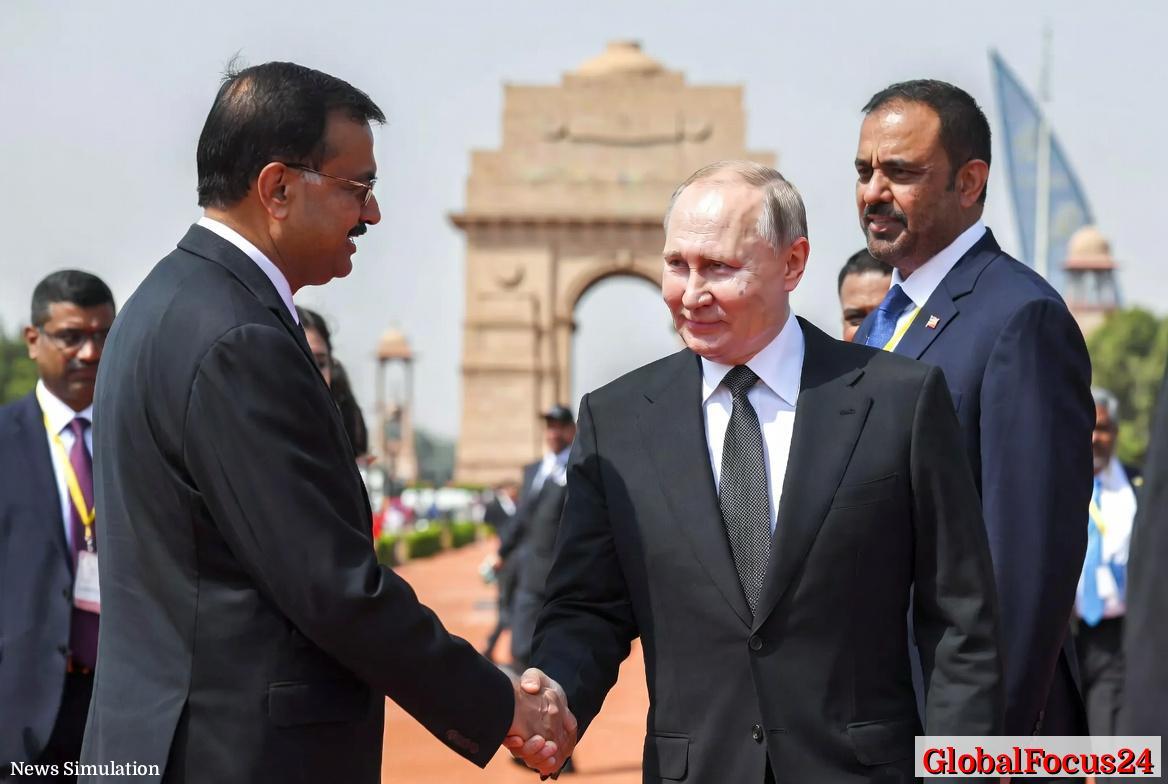
Putin to Attend BRICS 2026 Summit in New Delhi Amid Expanding Global Influence
BRICS Summit 2026 Set for New Delhi
Russian President Vladimir Putin is expected to attend the 2026 BRICS summit in New Delhi this September, marking a significant moment for the expanding economic bloc as it seeks to deepen cooperation among emerging economies. The summit will bring together leaders from Brazil, Russia, India, China, and South Africa, alongside newly admitted member states, at a time when the group is gaining increased global attention for its role in reshaping economic and geopolitical alignments.
India, which holds the rotating presidency of BRICS for 2026, is preparing to host what officials describe as one of the most consequential summits in the bloc’s history. With expansion efforts underway and new policy frameworks under discussion, the gathering is expected to focus heavily on trade integration, financial cooperation, and infrastructure development.
Putin’s planned attendance underscores Russia’s continued engagement with BRICS as a central platform for international collaboration, particularly as global economic centers continue to diversify.
Historical Evolution of BRICS
BRICS originated as a concept in the early 2000s, initially referring to four rapidly growing economies—Brazil, Russia, India, and China. South Africa joined in 2010, transforming the grouping into BRICS and expanding its geographic reach to include Africa.
Over the past decade, BRICS has evolved from a loosely aligned coalition into a more structured forum for economic coordination. Key initiatives have included the establishment of the New Development Bank (NDB) in 2015, designed to finance infrastructure and sustainable development projects, and efforts to increase trade in local currencies to reduce reliance on traditional global financial systems.
The bloc’s influence has grown steadily, particularly as emerging markets account for a larger share of global GDP. In recent years, BRICS has also expanded its membership, inviting additional countries from the Middle East, Africa, and Latin America, signaling a shift toward a broader coalition of developing economies.
Russia’s Role Within BRICS
Russia has been a central participant in BRICS since its inception, viewing the platform as a strategic avenue to strengthen economic partnerships and diversify trade relationships. Putin’s presence at the 2026 summit reflects Moscow’s continued prioritization of multilateral engagement within non-Western institutions.
Russia has actively supported initiatives aimed at enhancing financial independence within the bloc, including proposals for alternative payment systems and increased use of national currencies in trade. These efforts have gained traction as member countries seek to reduce exposure to currency volatility and external financial pressures.
In addition to economic cooperation, Russia has contributed to discussions on energy security, digital infrastructure, and technological collaboration within BRICS. The country’s vast natural resources and expertise in energy production remain key assets in these conversations.
India’s Strategic Role as Host
India’s hosting of the 2026 summit comes at a time when the country is positioning itself as a bridge between developed and developing economies. As one of the fastest-growing major economies, India has emphasized inclusive growth, digital innovation, and sustainable development as central themes for its BRICS presidency.
Preparations in New Delhi are already underway, with infrastructure upgrades, security planning, and diplomatic coordination taking place months ahead of the event. The summit is expected to draw significant international attention, with leaders from both member and partner countries participating in a series of high-level meetings.
India has also been instrumental in advocating for greater cooperation among Global South nations, aiming to amplify their collective voice in international forums. The 2026 summit is likely to reflect these priorities, with discussions focusing on equitable development and access to financing.
Economic Impact of the Summit
The BRICS 2026 summit is expected to have both immediate and long-term economic implications. In the short term, the event will stimulate local economic activity in New Delhi, including hospitality, transportation, and tourism sectors. Large-scale international gatherings typically generate substantial demand for services, benefiting businesses across the host city.
More broadly, the summit could lead to new agreements and initiatives that shape trade and investment flows among member countries. Potential areas of focus include:
- Expansion of intra-BRICS trade agreements to reduce barriers and enhance market access.
- Increased funding through the New Development Bank for infrastructure and climate-related projects.
- Development of digital payment systems to facilitate cross-border transactions.
- Strengthening supply chain resilience among member economies.
These initiatives have the potential to influence global economic patterns, particularly as BRICS countries collectively represent a significant share of the world’s population and economic output.
Regional and Global Comparisons
The growing prominence of BRICS invites comparison with other international groupings such as the G7 and G20. While the G7 represents advanced economies and focuses on policy coordination among industrialized nations, BRICS emphasizes the perspectives and priorities of emerging markets.
Unlike the G20, which includes both developed and developing countries, BRICS operates as a more cohesive bloc with shared interests in economic development and institutional reform. This distinction has allowed BRICS to pursue initiatives tailored specifically to the needs of its members.
In Asia, organizations such as the Association of Southeast Asian Nations (ASEAN) have also played a role in regional integration. However, BRICS differs in its global scope and its emphasis on cross-continental collaboration.
The expansion of BRICS membership further distinguishes it from other blocs, positioning it as a potentially influential force in shaping future economic governance.
Security and Logistics in New Delhi
Hosting a summit of this scale presents significant logistical challenges, and Indian authorities are expected to implement comprehensive security measures to ensure the safety of attendees. Preparations will likely include coordinated efforts among law enforcement agencies, intelligence services, and international partners.
New Delhi has experience hosting major international events, including previous summits and global conferences. This experience is expected to contribute to the smooth execution of the BRICS 2026 summit.
Infrastructure improvements, including transportation networks and conference facilities, are also anticipated to play a key role in accommodating the influx of delegates and media representatives.
Public and Market Reactions
The announcement of Putin’s attendance has drawn attention from both political observers and financial markets. While the summit itself is primarily focused on economic cooperation, the presence of major global leaders often influences market sentiment and investor expectations.
In India, the event is being viewed as an opportunity to showcase the country’s economic progress and diplomatic engagement. Public interest is expected to grow as the summit approaches, particularly given the participation of high-profile leaders.
Business communities across BRICS countries are also monitoring developments closely, as new agreements could open up opportunities for trade and investment.
Outlook for BRICS Cooperation
As the 2026 summit approaches, expectations are high for tangible outcomes that reinforce the bloc’s relevance in an evolving global landscape. The combination of expanding membership, increasing economic weight, and a focus on practical cooperation positions BRICS as a key platform for addressing shared challenges.
Putin’s participation highlights the continued importance of leadership engagement in advancing the bloc’s agenda. With India at the helm, the summit is poised to emphasize collaboration, innovation, and sustainable growth.
The New Delhi gathering is likely to serve as a milestone in the ongoing evolution of BRICS, reflecting both its achievements and its ambitions as a collective of emerging economies seeking a stronger voice on the global stage.