Stand-up Comedy Gains Ground in China as Outlet for Economic Frustrations
In a nation navigating slower growth and a changing employment landscape, stand-up comedy is emerging as a powerful barometer of public sentiment and a creative outlet for economic frustration. Audiences across major cities like Beijing and Shanghai are turning to humor to unpack the pressures of a prolonged property crisis, a cooling job market for youth, and the broader social shifts that accompany a transitional economy. The rise of this art form offers more than entertainment; it provides insight into how ordinary citizens interpret macroeconomic headwinds, cope with uncertainty, and seek community in shared experiences.
Historical context and the evolution of humor as a social barometer Comedy has long served as a mirror to economic and social realities, but the current wave in China reflects a unique convergence of traditional storytelling, modern stand-up formats, and digitally amplified audiences. Historically, Chinese audiences have supported a wide spectrum of performance arts—from traditional xiangsheng (crosstalk) to modern theater—yet stand-up thrives in the open-ended space between personal narrative and collective commentary. The contemporary scene began to coalesce in urban centers during the early 2020s, accelerated by improved urban logistics, increased leisure time, and a younger generation accustomed to global cultural exchanges. As the economy faced headwinds, comedians increasingly drew on personal experience—family finances, housing market struggles, and the pressures of rapid urbanization—to craft routines that resonate beyond niche audiences.
Economic context shaping the rise of live comedy The current environment features several interlocking economic dynamics. The housing market has experienced turbulence, with property prices in major urban markets cooling after years of rapid appreciation. Local government finances, pressured by stalled growth and debt concerns related to infrastructure and social programs, have tightened, contributing to a sense of financial constraint among households. Youth unemployment remains a focal concern: data from the latest cycles indicate a sizable share of young people entering the labor force encountering longer job searches and stiffer competition for desirable roles. In this climate, stand-up acts as a low-cost, high-engagement form of expression, where performers translate abstract macroeconomic indicators into relatable, human-scale stories.
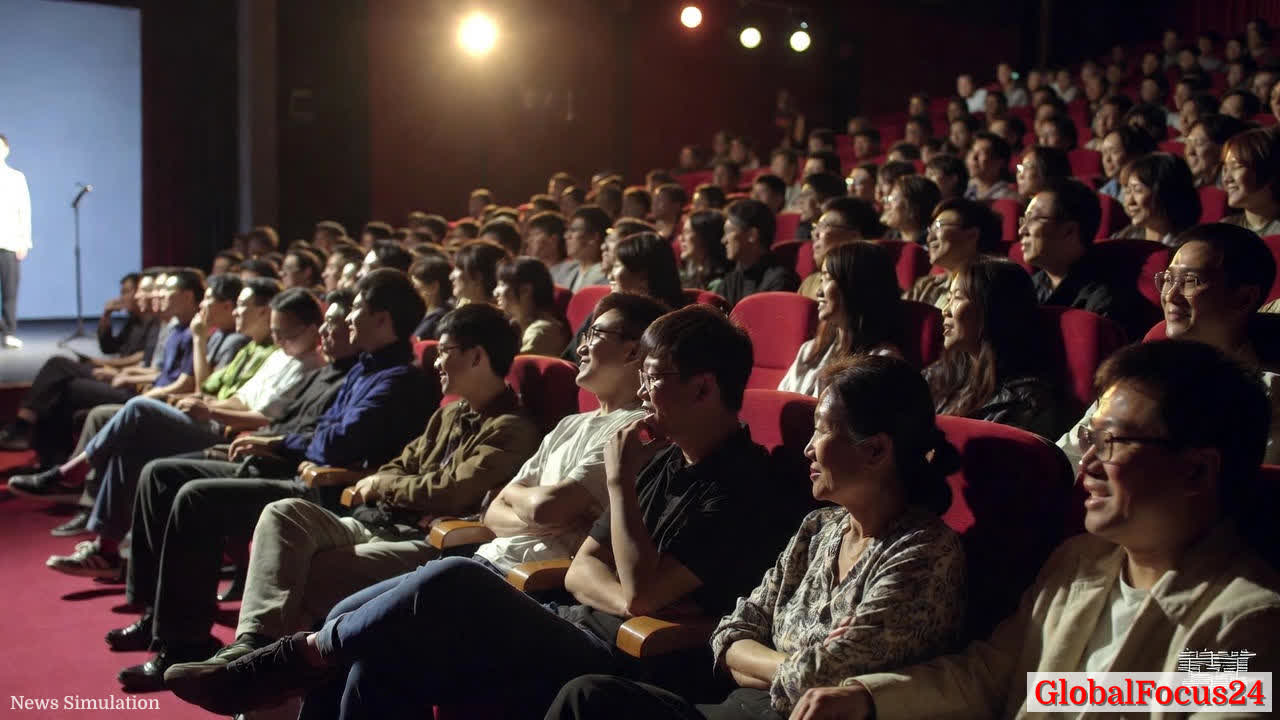
Ticket sales and audience growth signal a shift in cultural consumption Industry indicators reveal a robust expansion of live comedy in the first half of 2025, with performances surging and audiences flocking to venues. A notable increase in ticket sales accompanies a peak in the number of shows, underscoring a demand for shared experiences and social connection. The growth trajectory positions stand-up as a significant theater genre—second only to traditional plays in many urban venues—reflecting a public appetite for immediacy, candor, and communal reaction to ongoing economic realities. Online platforms have complemented live performances, enabling creators to reach broader audiences and to test material quickly, a dynamic that accelerates the diffusion of topical humor and widens the cultural footprint of the scene.
Regional comparisons illuminate distinct patterns
- Beijing and Shanghai lead the expansion, benefiting from dense urban ecosystems, higher disposable income for cultural activities, and robust media ecosystems that amplify talent discovery and audience engagement.
- Second-tier cities are increasingly home to touring acts and pop-up shows, broadening access and creating more localized dialogues about work, housing, and consumer costs.
- Rural and smaller-market voices are entering the scene through breakout acts, broadening the spectrum of perspectives and challenging the stereotype that stand-up is a primarily metropolitan pursuit. A recent breakout act—a 50-year-old rural woman recounting her experiences leaving a difficult marriage—illustrates how the form diversifies its storytelling beyond conventional age and class profiles.
Public reaction, social cohesion, and the role of humor Live comedy has become a vehicle for social cohesion in a period of economic strain. In a society where much online discourse can become polarized, stand-up shows offer a space for shared laughter and mutual recognition of common challenges. Performers are increasingly addressing a broad range of topics, from everyday budgeting to dealing with the social expectations of family and work, often through a lens of resilience and adaptability. This approach helps audiences reframe hardship as survivable and, crucially, as part of a collective experience rather than an individual burden.
Women and marginalized voices have found increasing visibility on stage, challenging older norms and expanding the repertoire of topics. The evolution mirrors a broader social openness to discussing issues that were once addressed behind closed doors or within restricted formats. When performers address issues such as workplace dress codes, family dynamics, or access to services, they can spur resonance and even policy reflection, contributing to a broader conversation about social norms and quality of life.
Economic impact and cultural spillovers The surge in stand-up comedy carries meaningful economic implications. Live venues benefit from higher attendance and longer show calendars, supporting local hospitality sectors through increased foot traffic and ancillary spending. The creative economy gains from diverse talent, new media deals, and potential collaborations with brands seeking to align with a contemporary, urban, and culturally dynamic audience. Comedy festivals and touring circuits generate cross-regional economic activity, tourism, and media attention, reinforcing city branding as vibrant hubs for arts and entertainment. While the primary audience experience is cultural, the economic ripple effects extend to employment in backstage roles, event management, and production services, contributing to a broader recovery impulse in the cultural economy.
Talent development, moderation, and sustainability The growing scene is not without its challenges. A 2023 crackdown on certain forms of humor that touched on sensitive topics underscored the need for mindful content creation and risk management. Since then, performers have emphasized personal, relatable material and non-political storytelling to maintain broad appeal and to navigate regulatory expectations. The industry increasingly relies on development pipelines—open mics, mentorship networks, and collaborative projects—to cultivate new voices and ensure sustainability. A noteworthy trend is the inclusion of performers from varied demographic backgrounds, expanding the pool of perspectives and enriching the narrative diversity of stage offerings.
Cultural reflection and the shaping of public discourse Humor functions as a cultural lens, refracting complex economic realities into accessible, memorable narratives. Comedy routines often distill abstruse macroeconomic themes—such as inflation, wage stagnation, and debt dynamics—into tangible stories about daily life. This translation helps audiences grasp the implications of policy decisions and market shifts without resorting to technical jargon. Moreover, the live experience fosters immediate feedback loops: audiences respond with laughter, surprise, or reflection, contributing to a shared temperature check on societal mood. In this way, stand-up becomes a form of informal polling, signaling what concerns resonate most and how communities are adapting to changes in the economic environment.
Notable themes shaping current material
- Household finances and budgeting under pressure: routines often revolve around balancing bills, groceries, and unexpected expenses, highlighting the friction between rising costs and limited wage growth.
- Housing and urban living: jokes about apartment size, eligibility for mortgages, and regional price differentials reflect ongoing debates about affordability and opportunity.
- Work-life balance in a slower economy: performances echo a shift toward shorter work hours and increased time for personal pursuits, including entertainment and leisure, which in turn influences consumer behavior.
- Family dynamics and intergenerational expectations: material that scrutinizes parental aspirations versus youth realities resonates across ages, fostering a sense of shared experience.
Forecast and future trajectory Industry observers anticipate continued expansion of stand-up as a mainstream cultural form in the coming years. By 2026, the scene is expected to broaden its reach and diversify its talent pool, incorporating voices from more regions and backgrounds. This growth will likely be accompanied by continued experimentation with form—short-form digital clips, live-streamed shows, and hybrid events that blend stand-up with other genres—while maintaining the core appeal of vulnerability, wit, and resilience. As audiences grow more connected through digital platforms, online engagement will complement in-person performances, expanding the cultural footprint and reinforcing the role of comedy as a societal barometer rather than merely entertainment.
Public sentiment and cultural significance Public reaction to the rise of stand-up reflects a dynamic interplay between economic pressure and creative release. Audiences report that comedic performances provide not only relief but also a framework for analyzing and discussing the day-to-day realities of living in a slowing economy. This fusion of relief and reflection underscores why stand-up has found a foothold in urban culture and why it continues to attract new participants, including aspiring comedians from varied life experiences who see humor as a path to connection and resilience.
Conclusion: humor as a lens on economic resilience Stand-up comedy in China is more than a trend; it is a cultural phenomenon that captures the nuanced ways people respond to economic uncertainty. By translating macroeconomic stress into personal narrative, comedians create a shared language for discussing daily life, aspirations, and frustrations. The scene’s growth in 2025 and beyond signals a broader recognition of humor as a legitimate, constructive form of social commentary—one that can illuminate challenges, celebrate ingenuity, and foster community in a landscape defined by rapid change. As audiences continue to seek both entertainment and empathy, stand-up stands ready to amplify voices that might otherwise go unheard, turning economic frustration into a powerful, communal form of resilience.