Fruits with the Most and Least Sugar Revealed: New Guide Highlights Sugars in Everyday Produce
A comprehensive new guide analyzing the sugar content of common fruits is sending ripples through kitchens, markets, and health-conscious households. The study, which aggregates data from multiple nutritional databases and product analysis laboratories, identifies which fruits contain the highest concentrations of natural sugars and which offer the lowest sugar burden per serving. The findings arrive as consumers increasingly monitor sugar intake amid rising concerns about diet-related health outcomes, including obesity, type 2 diabetes, and dental health.
Historical context: how fruit sugar has been perceived over time For generations, fruits have been celebrated for their vitamins, fiber, and hydration, often viewed as inherently healthy treats. Yet the conversation around natural sugars in fruit is not new. In the late 20th century, nutrition science began distinguishing added sugars from naturally occurring sugars found in whole foods. The distinction has informed dietary guidelines, which typically favor whole fruits over fruit juices for their slower sugar absorption, higher fiber content, and broader micronutrient profiles. In recent years, researchers have refined this understanding further, highlighting how the matrix of nutrients in fruit—such as fiber, water content, and polyphenols—can influence how the body handles sugar. The current guide builds on that legacy, offering granular data that helps consumers balance enjoyment with practical nutritional considerations.
Methodology and scope The guide compiles per-fruit sugar metrics across several common units of measure to reflect how people actually eat fruits in daily life. It presents sugar content per whole fruit, per cup, and per medium-sized serving. By doing so, it accommodates preferences ranging from a single mango in a snack to a bowl that mixes several fruit varieties. The report draws from established nutrition databases and laboratory analyses to provide consistent cross-checks. It also notes the edible portion and typical serving sizes to help readers translate numbers into real-world portions.
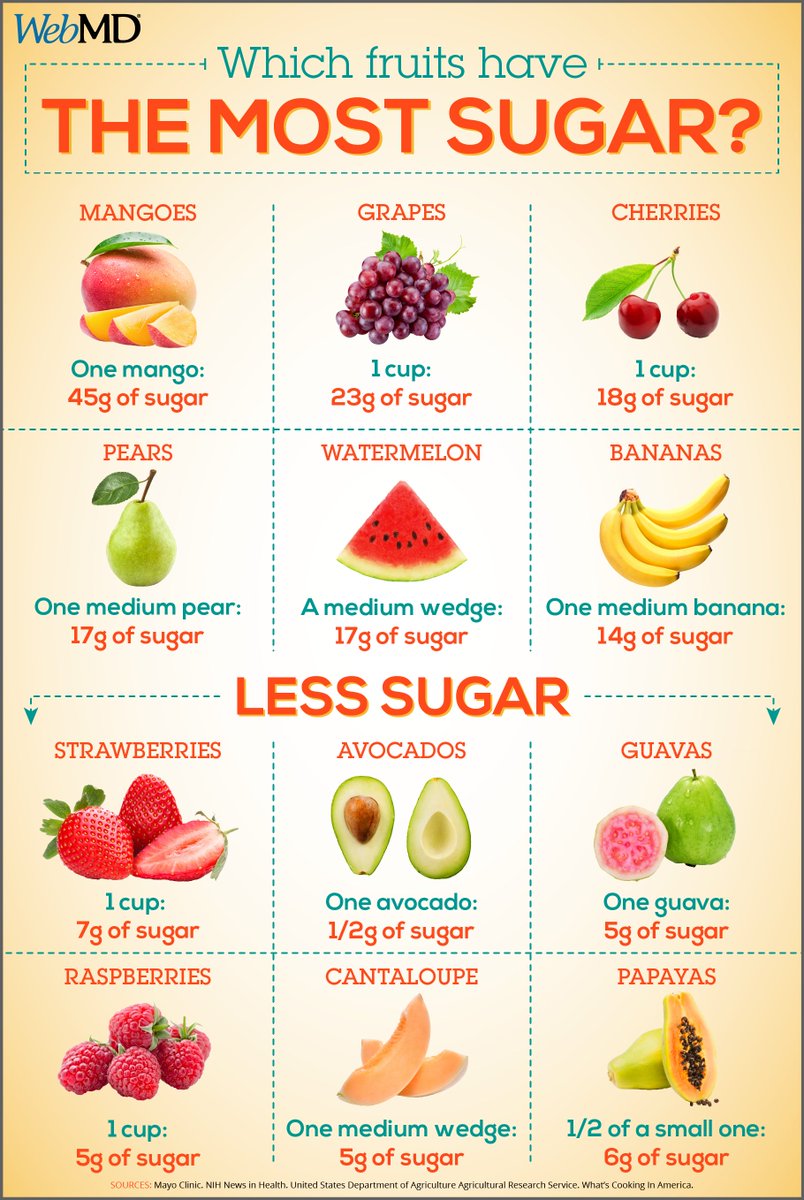
High-sugar fruits: what tops the list Mangoes emerge at the top of the guide’s ranking, with one fruit containing up to 45 grams of sugar per specimen. The sweetness of a ripe mango is both a culinary pleasure and a point of consideration for those tracking sugars, especially in dietary plans that require precise carbohydrate counting. The global mango supply, driven by major producing regions in South Asia, Southeast Asia, and parts of the Americas, has expanded consumer access to this tropical fruit year-round. While the sugar content is substantial, mangoes also deliver notable amounts of fiber, vitamin A, and vitamin C, contributing to a balanced nutritional profile when consumed in moderation.
Following mangoes, grapes register 23 grams of sugar per cup. Grapes’ compact sweetness makes them a popular snack, a wine staple in many cultures, and a convenient bite-sized option for families. Their sugar load, however, is significant enough to influence portion sizes for individuals monitoring carbohydrate intake. In third place, cherries contribute about 18 grams of sugar per cup. Cherries offer unique nutritional benefits, including anti-inflammatory compounds and a distinctive flavor that enhances a range of culinary applications, from desserts to savory sauces. The combination of sugar content and culinary versatility helps explain their enduring popularity despite the higher sugar load.
Two other commonly enjoyed fruits sit high on the list as well: pears and watermelon, each with about 17 grams of sugar per medium serving. Pears, with their dense flesh and crisp texture, represent a versatile fruit that can be eaten fresh, baked, or poached. Watermelon, despite its high water content, carries a notable sugar load per slice, illustrating how a fruit’s water content does not necessarily equate to low sugars. Bananas, a staple in many breakfast bowls and lunchbox snacks, tally roughly 14 grams of sugar per medium fruit. Their creamy, filling texture often makes them a go-to energy source, especially for active individuals.
Lower-sugar fruits: options with minimal impact on sugar counts On the lower end of the spectrum, avocados stand out with incredible sugar austerity, containing roughly 0.5 grams of sugar per fruit. This makes them a unique fruit in terms of sugar content, particularly given their high fat content and dense texture, which contribute to a feeling of fullness and steady energy release. Avocados’ fat profile and micronutrient content, including potassium and heart-healthy fats, support their status as a pantry staple for balanced meals.
Other lower-sugar options include guavas, which provide about 5 grams per fruit, and raspberries and cantaloupe, each offering around 5 grams per cup or per medium wedge, respectively. Papayas contribute about 6 grams per half of a small fruit, while strawberries provide approximately 7 grams per cup. These figures illustrate how fruit selection can align with dietary goals without sacrificing variety, flavor, or nutrition.
Regional and international comparisons Sugar content within the same fruit category can vary slightly by growing conditions, cultivars, ripeness, and harvest practices. For instance, mangoes from warmer tropical regions can accumulate more natural sugars when left to ripen longer on the tree or after harvest, compared with varieties harvested earlier. Grapes from different terrains—such as cooler climates versus sun-drenched regions—can show distinct sugar profiles, affecting both taste and culinary use. This variability underlines the importance of considering both the fruit type and its origin when planning meals around sugar intake.
In a regional context, consumers in areas with abundant fresh fruit access may experience different perceptions of how much sugar a given fruit contributes to daily intake. In markets where fruit is transported long distances, ripening methods and storage conditions can alter sweetness levels. The guide’s per-serving measurements help consumers translate data into practical decisions, whether they are shopping at a local farmers’ market, a large grocery store, or a seasonal fruit stand.
Practical implications for consumers and public health The new sugar-content guide offers actionable insights for households aiming to manage sugar consumption without sacrificing variety. For example, individuals who need to monitor carbohydrate intake—such as those managing type 2 diabetes or metabolic syndrome—can leverage the per-serving data to tailor snack choices. When planning meals, people can pair higher-sugar fruits with protein or fat sources to slow overall sugar absorption and support appetite regulation.
Public health messaging often emphasizes whole fruit consumption as part of a balanced diet. The current findings reinforce that approach while providing nuance. Even high-sugar fruits can fit into a healthy pattern when consumed in moderation and as part of a diverse diet that includes vegetables, grains, lean proteins, and healthy fats. The guide also highlights how portions matter: a half cup versus a full cup can significantly alter the sugar load of a snack or recipe, especially in mixed fruit bowls or fruit-based desserts.
Market impact and consumer behavior Food retailers and product developers may use these data to inform product placement, labeling, and marketing strategies. For example, managers might design clear “portion guidelines” or “serving size alerts” in-store to help customers make informed choices during quick shopping trips. Additionally, the data could influence packaged snack offerings, such as single-serving fruit cups, where standardized sugar counts become selling points for parents seeking convenient yet mindful options for children.
From an agricultural perspective, growers and exporters might respond to demand signals by adjusting harvest timing or cultivar selection to balance sweetness with other desirable characteristics, such as texture and resistance to spoilage. While the science of sugar content is rooted in chemistry, its implications ripple through supply chains, influencing what farmers plant and how retailers stock shelves.
Dietary trends and cultural considerations Dietary trends surrounding sugar often intersect with cultural and culinary practices. In many cultures, fruit is a central component of meals and celebrations, making awareness of sugar content particularly relevant during holidays and festive seasons when fruit-based dishes become more prevalent. The guide’s findings can help households adapt recipes to maintain flavor while moderating total sugar exposure, whether through using mixed berries in desserts or choosing fruit toppings for yogurt with mindful portions.
Flavor profiles and culinary uses Sweetness is not the sole determinant of a fruit’s appeal. Texture, aroma, acidity, and balance with other ingredients contribute to a fruit’s desirability in recipes and snacking. For example, mangoes offer a robust, tropical sweetness that pairs well with spicy, savory, or creamy elements. Bananas, with their smooth texture, are favored in smoothies and breakfast bowls, where their natural sugars provide a creamy base. Raspberries and strawberries bring bright acidity and a delicate sweetness, complementing everything from morning oats to dessert sauces. Understanding sugar content helps cooks tailor desserts, salsas, and fruit-forward dishes to achieve the desired level of sweetness without relying on added sugars.
Public reaction and guidance Early public response to the sugar-content guide has highlighted a broader demand for transparency around natural sugar in fruits. Nutritionists stress that the overall nutritional value of fruits—fiber, vitamins, minerals, and hydration—remains a critical factor in dietary choices. Experts encourage consumers to view fruit as part of a holistic eating pattern rather than as a single nutrient target. In practice, this means enjoying a variety of fruits, paying attention to portion sizes, and balancing fruit intake with other nutrient-dense foods.
Conclusion: empowering informed choices through data The detailed analysis of sugar content in fruits offers a practical, science-backed resource for people navigating modern diets. By presenting sugar per fruit, per cup, and per typical serving, the guide equips readers to compare options quickly and plan meals and snacks with greater precision. While some fruits deliver high natural sugars, their nutritional benefits often offset their sugar load when consumed thoughtfully as part of a varied diet. As consumer awareness grows, so too does the opportunity for individuals to make informed choices that align with health goals without sacrificing the pleasure and cultural significance of fruit.