Foods That Pack More Protein Than an Egg
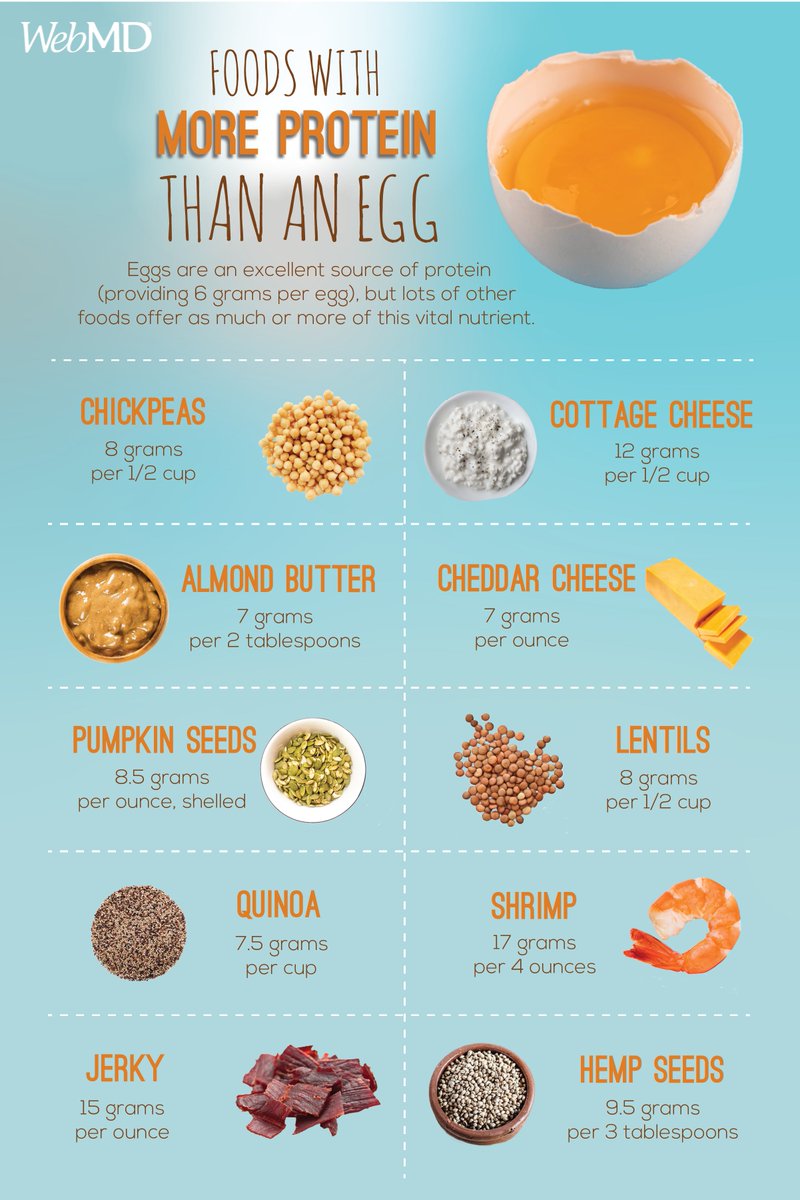
For decades, eggs have been hailed as the gold standard of affordable, high-quality protein. One large egg provides roughly six grams of protein along with essential vitamins, minerals, and healthy fats. But nutritional science now highlights a range of other foods—plant-based, dairy, seafood, and meat alternatives—that deliver even higher protein content per serving. As interest in balanced diets and sustainable eating rises worldwide, understanding protein-rich alternatives to eggs has become increasingly relevant.
The Rise of Protein Awareness
Protein plays a vital role in building and repairing tissues, producing enzymes, and maintaining healthy bones and muscles. In recent years, consumers have grown more aware of protein’s importance for energy balance and weight management. According to global nutritional surveys, over 60 percent of adults now actively monitor their protein intake, often seeking sources beyond traditional animal products.
This shift stems from multiple factors: the popularity of high-protein diets, growing vegetarian and vegan communities, and a broader conversation about sustainable agriculture. While eggs remain a staple, many health-conscious eaters are now exploring foods that can match—or even exceed—the egg’s nutritional punch.
Plant-Based Powerhouses: Legumes and Seeds
Among plant-based proteins, legumes consistently top the list. Chickpeas, for example, provide about eight grams of protein per half-cup, making them one of the most efficient meat alternatives in global cuisines. When mashed into hummus or tossed into salads, they combine protein with fiber, aiding digestion and maintaining satiety.
Lentils rival chickpeas with eight grams of protein in the same serving size. In regions like South Asia and the Middle East, lentils have long served as a dietary mainstay for vegetarians. Modern research shows that lentils also support heart health through their low glycemic index and high folate content.
Quinoa, often categorized as a grain but technically a seed, contains 7.5 grams of protein per cup when cooked. Its complete amino acid profile—unusual for a plant source—makes it a prime choice for athletes and those on gluten-free diets. Already a staple in parts of South America for centuries, quinoa’s global popularity has soared since the early 2000s, spurred by health trends and food versatility.
Among seeds, pumpkin seeds lead with about 8.5 grams of protein per ounce. Their dense nutrient profile includes zinc, magnesium, and healthy fats. Hemp seeds edge even higher at around 9.5 grams across three tablespoons. They also supply omega-3 fatty acids, which benefit brain and heart health, a noteworthy advantage for those avoiding fish.
Dairy and Its Protein Power
While plant proteins attract attention for sustainability reasons, dairy continues to play a central role in many diets worldwide. Cottage cheese offers one of the most concentrated sources of dairy-based protein, with roughly 12 grams in one and a half cups. Low in fat yet rich in casein—a slow-digesting protein—it keeps hunger at bay for several hours and supports muscle recovery after exercise.
Cheddar cheese, on the other hand, contains around 7 grams per ounce. Beyond protein, it contributes calcium and vitamin B12, nutrients essential for bone strength and nervous system function. Dairy proteins remain popular among athletes and fitness enthusiasts because they promote muscle synthesis more effectively than many plant-based sources.
Historically, dairy farming has played a major role in economic stability for countries in Europe and North America. Cheese and yogurt production contribute billions annually to the global food economy, while consumer trends increasingly lean toward reduced-fat and high-protein dairy options.
Nuts and Nut Butters: Compact Protein Boosters
For those seeking convenient, shelf-stable alternatives, nut butters are a simple way to raise protein intake. Almond butter delivers about seven grams of protein in two tablespoons. Its high vitamin E and magnesium content further enhance its nutritional value.
Peanut butter, depending on processing methods, can contain around 8 grams in a similar serving size. However, consumers are advised to check for added sugars and stabilizers that may dilute its health benefits. Tree nut butters, including cashew and walnut varieties, also provide substantial protein, although slightly less per serving.
Regular consumption of nuts has been linked to heart health benefits across multiple epidemiological studies. Dietitians suggest that replacing processed snacks with nuts or nut-based spreads can reduce cardiovascular risk factors without sacrificing taste or texture.
Seafood Surpassing the Egg
In the realm of seafood, shrimp is a standout source of lean protein, offering an impressive 17 grams in four ounces. This makes it nearly three times as protein-dense as an egg. Low in calories and rich in selenium and iodine, shrimp supports thyroid function and immune health.
Tuna, salmon, and cod also boast large protein totals—typically 20 to 25 grams per 100 grams of cooked fish. Compared to red meats, these fish contain less saturated fat while supplying key omega-3 oils. Coastal regions in Asia and the Mediterranean have long relied on seafood not just as a protein source but as a dietary foundation for longevity. In fact, populations in these areas often exhibit lower cardiovascular disease rates, partly attributed to regular seafood consumption.
Meat Options for Maximum Protein
For meat eaters, jerky—particularly lean beef or turkey varieties—ranks among the most concentrated protein sources. One ounce provides approximately 15 grams, more than double the content of an egg. Its portability and long shelf life make it popular among travelers and fitness enthusiasts alike.
Chicken breast, another dietary staple, provides around 26 grams of protein per 3-ounce serving. Turkey, lean beef, and pork follow closely behind. Compared by cost per gram of protein, poultry often emerges as one of the most affordable animal-based options worldwide.
Historical Shifts in Protein Consumption
The global approach to protein has evolved dramatically over the past century. In the early 1900s, meat and eggs dominated Western diets, while legumes and grains sustained much of Asia, Africa, and South America. After World War II, advancements in livestock farming made animal protein more accessible but raised sustainability concerns.
By the late 20th century, vegetarianism and environmental awareness influenced public health guidelines. The 21st century has seen a convergence of these trends, where consumers seek not only protein quantity but also quality, digestibility, and ecological impact. Food innovations—from plant-based meat analogs to high-protein snacks—reflect this changing demand.
Economic and Environmental Impact
Protein-rich foods significantly shape agricultural economies. Global demand for plant proteins like soy, peas, and lentils has boosted crop diversification and driven investment in sustainable farming practices. Meanwhile, dairy and poultry industries face pressure to reduce emissions and improve animal welfare.
According to recent market analysis, the plant-based protein sector is projected to exceed 20 billion USD in annual revenue by 2027. This shift is supported by government initiatives promoting alternative proteins to reduce environmental impact. However, traditional livestock farming remains vital for jobs and exports in many rural communities. Balancing these interests forms a critical part of food policy discussions in both developed and emerging economies.
Choosing the Right Protein for Every Diet
For individuals planning meals, variety remains key. A balanced mix of animal and plant proteins ensures a broad spectrum of amino acids and micronutrients. Those who avoid eggs due to allergies or dietary restrictions can easily substitute with lentils, chickpeas, or seafood while maintaining similar protein intake.
Athletes may prefer dairy or meat sources for rapid muscle recovery, while vegetarians can rely on quinoa and legumes combined with grains for complete nourishment. Regular rotation among different protein types also prevents dietary monotony and supports overall metabolic health.
The Future of Protein Diversity
As food technology advances, lab-grown meats and precision-fermented dairy substitutes may soon join the mainstream. These innovations aim to combine high protein content with lower environmental cost. Global consumer surveys indicate rising curiosity about these new products, although taste and affordability remain decisive factors for acceptance.
What remains consistent is the human body’s need for sufficient, quality protein. Whether sourced from seeds, seafood, or cottage cheese, meeting that need has never been more diverse—or more exciting. For anyone seeking to match or surpass the six grams found in a classic egg, today’s options span continents, cultures, and culinary traditions, offering more ways than ever to fuel the body responsibly and deliciously.