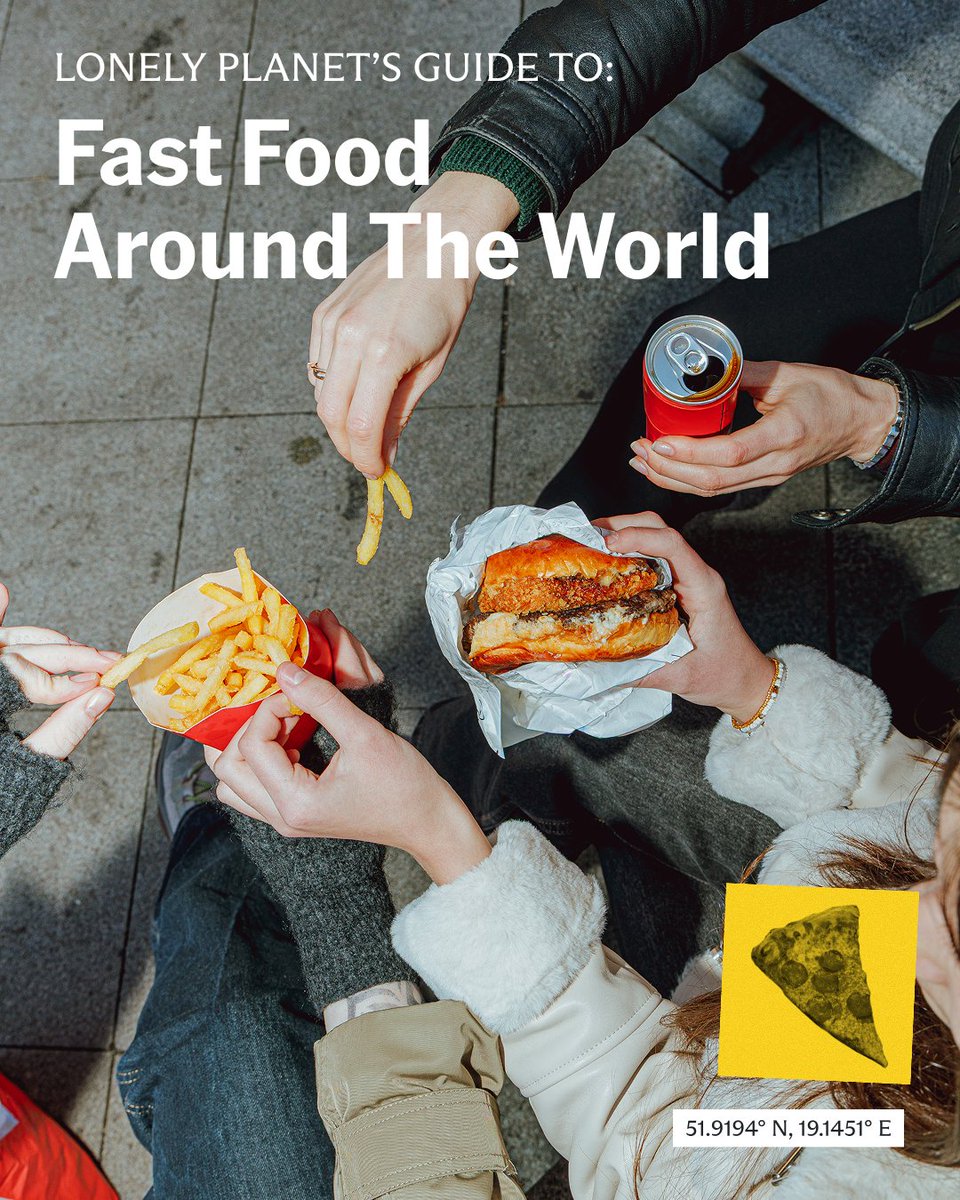
Global Fast Food: How International Chains Localize Menus for Local Tastes
A World United by Fast Food, Divided by Flavor
Fast food has long been a global language of convenience—affordable, quick, and instantly recognizable. Yet, like spoken languages, the vocabulary of global fast food changes dramatically from one country to another. A McDonald’s in Rome bears little resemblance to one in Chicago, just as a Pizza Hut in Taipei or a Taco Bell in Cyprus reflects a blend of local culinary traditions and international branding. Behind the familiar golden arches and red-and-white logos lies a complex web of cultural adaptation, economic strategy, and consumer psychology that has shaped how the fast food industry thrives across borders.
A History of Adaptation: From Standardization to Localization
When American fast food chains first expanded abroad during the postwar era, they brought with them standardized menus that promised comfort and familiarity. McDonald’s opened its first international restaurant in Canada in 1967 and in Tokyo three years later, followed by London, Munich, and Sydney in quick succession. The company’s early global strategy focused on uniform branding and offerings—the same Big Mac, fries, and shake served across continents.
However, the rigid approach began to shift in the 1980s as consumer preferences in Asia, Europe, and Latin America proved far from homogenous. McDonald’s Japan, for example, became one of the earliest adopters of menu localization, introducing items like the Teriyaki Burger that catered to Japanese palates. Soon, other international franchises took note: the way to global success, it turned out, was not through carbon-copy menus, but through culinary flexibility.
McDonald’s: The Case Study in Cultural Fusion
No global chain better exemplifies localization than McDonald’s. Its menu serves as a mirror reflecting regional tastes and cultural nuances. In Italy, diners can enjoy a Parmigiano Reggiano burger or sip espresso paired with tiramisu in the McCafé. In South Korea, shrimp burgers have become a staple. India, with its large vegetarian population, offers the McAloo Tikki—a spiced potato burger—while avoiding beef entirely.
The creativity doesn’t stop at the savoury. In Japan, matcha-flavoured McFlurries populate dessert menus during spring, and in Malaysia, durian-flavoured versions make special seasonal appearances. In Mexico, the McMollete—an open-faced sandwich with beans, cheese, and pico de gallo—is a breakfast favourite. In the United Arab Emirates, McArabia sandwiches have evolved into iconic regional offerings that fuse grilled meat with Middle Eastern flatbread and herbs.
These diverse items not only respect regional tastes but reinforce McDonald’s image as a brand capable of fitting seamlessly into any culinary culture.
The Economic Logic Behind Local Menus
The decision to tailor menus goes far beyond culinary curiosity—it’s a matter of economic strategy. Localization allows fast food chains to navigate local regulations, ingredient availability, and price sensitivities. In regions where beef is expensive or culturally restricted, chicken or vegetarian options dominate. By sourcing ingredients locally, chains can also mitigate import costs and adapt to supply chain disruptions.
Moreover, regional adaptations often spark economic multipliers. Local suppliers—farmers, bakeries, dairy producers—integrate into the fast food chain’s ecosystem, supporting rural and urban economies alike. For example, McDonald’s India procures nearly all its ingredients domestically, providing consistent demand that stabilizes agricultural output. Similarly, in Italy, local sourcing of artisanal cheeses not only enhances the authenticity of menu items but sustains regional specialty producers.
Localization also fulfills marketing objectives. When customers encounter familiar flavors in a global chain, they feel a sense of local pride. This emotional connection often strengthens brand loyalty more effectively than uniformity does. Fast food companies, in adapting to these markets, thus transform from foreign intruders to accepted fixtures of local food life.
Region by Region: A Tour of Global Fast Food Diversity
Across Asia, Europe, the Middle East, and Latin America, fast food innovation reflects not just the fusion of cuisines but the coexistence of tradition and modernity.
- East Asia: Chains like McDonald’s Japan and KFC China lead in experimentation. KFC meals in China often feature rice dishes, egg tarts, and congee for breakfast. Meanwhile, Taiwan’s Pizza Hut once introduced a pizza topped with truffle, scallop, shrimp, and cheese—a decadent twist on the familiar pie.
- Southeast Asia: Beyond Malaysia’s durian McFlurries, Indonesia has Ayam Goreng (spiced fried chicken) as a standard offering at fried chicken franchises. Thailand frequently sees seafood and chili versions of global favorites, reflecting the nation’s penchant for spice.
- Europe: In Rome, McDonald’s integrates local bakery items and regional coffee culture, offering pastries alongside traditional espresso shots. In France, fast food chains feature baguettes and Camembert burgers, leaning on the country’s heritage of fine bread and cheese.
- Middle East and Africa: Cultural and religious dietary rules shape adaptation strongly here. Most chains offer halal meat and avoid pork entirely. In Israel, kosher menus are available in select outlets, while Saudi Arabia’s franchises highlight local flavors through shawarma-inspired wraps.
- Latin America: Strong breakfast cultures influence morning menus. Mexico’s McMolletes and Brazil’s Pão de Queijo (cheese bread) reflect regional breakfast preferences. Argentina’s McDonald’s outlets frequently feature dulce de leche desserts, blending Western fast food style with South American sweetness.
- Oceania: In Australia and New Zealand, local fish options and beetroot burgers symbolize the balance between local agriculture and international branding. Limited-edition offerings often include kangaroo meat alternatives or tropical fruit-infused desserts.
Regional Rivalries and Inspirations Among Chains
Global chains also exert influence on one another through cross-regional inspiration. When McDonald’s Japan releases a matcha dessert, competitors like Starbucks, KFC, or Mister Donut quickly roll out parallel green tea items to capture the market trend. Similarly, Taco Bell’s Banurrito, a banana wrapped with hazelnut praline in a tortilla for the Cypriot market, mirrors the dessert innovations seen at European cafes rather than American taco houses.
Such adaptations often spread in reverse too: popular foreign menu items can migrate back to the brand’s home country. The Teriyaki Burger and Korean-inspired gochujang sandwiches, once limited to Asian markets, have begun appearing as limited-time offerings in the United States, reflecting the growing influence of global tastes on American menus.
Consumer Response and the Psychology of Localization
For many consumers, encountering a familiar brand abroad provides reassurance—a benchmark of quality and consistency in an unfamiliar environment. But discovering a new, localized menu item within that familiar setting is what makes global dining exciting. Tourists often share such discoveries online, driving viral marketing success. Social media platforms like Instagram and TikTok have amplified this phenomenon, turning local fast food specialties into global sensations overnight.
Public reaction often ties into cultural pride as well. When chains highlight local ingredients or traditional recipes, consumers perceive the globalization process as more respectful and collaborative rather than homogenizing. This cultural diplomacy through cuisine can soften perceptions of corporate dominance, transforming what might otherwise be viewed as cultural export into a celebration of diversity.
The Economic Ripple Effect of Culinary Localization
Beyond satisfying taste buds, localization generates tangible macroeconomic effects. It encourages domestic production, stimulates local economies, and fosters innovation within food supply chains. The sourcing of regional ingredients, from Italian mozzarella to Malaysian durian, leads to collaborations between international corporations and local enterprises. This economic synergy has even inspired small and medium-sized restaurants to adopt similar strategies, blending global presentation with indigenous flavors.
The approach also offers resilience amid shifting global trade conditions. When import tariffs, inflation, or logistical hurdles arise, chains with established local supply networks can adapt faster than those dependent on imported materials. In this sense, localization becomes both a marketing and risk management strategy.
Challenges of Balancing Brand Identity with Cultural Relevance
The greatest challenge for international fast food companies lies in maintaining brand integrity while embracing regional adaptation. Too much localization risks diluting the brand’s image; too little can alienate local consumers. For instance, McDonald’s iconic fries remain consistent globally, representing a common brand anchor. Around these staples, however, companies innovate to suit local palates.
Food safety regulations, religious considerations, and nutritional concerns further complicate menu design. The growth of health-conscious consumers worldwide has pushed franchises toward more transparent ingredient labeling and reduced sugar or sodium levels, often executed differently within each market depending on regulatory standards and public expectations.
The Future of Global Fast Food: Glocalization as a Long-Term Strategy
The concept of “glocalization”—thinking globally, acting locally—has never been more relevant to the fast food industry. As global connectivity accelerates and culinary curiosity deepens, consumers increasingly expect cultural sensitivity in what they eat. Chains that once exported a single idea of American dining now import flavor ideas from their international markets.
Emerging technologies, such as data analytics and AI-assisted consumer insight, now allow franchises to track taste trends and predict emerging preferences with greater precision. In the coming decade, hyper-localized menus may evolve beyond regional to city-specific or even neighborhood-specific offerings, reflecting microtrends and community identity.
A World of Shared Brands, Distinct Flavors
From the kimchi burgers of Seoul to truffle pizzas in Taipei and churro sundaes in Buenos Aires, fast food’s global identity continues to morph into a tapestry of cultures woven through taste. The story of these culinary hybrids is not merely about adaptation but about the dialogue between tradition and transformation—how global brands listen to, learn from, and ultimately integrate into the communities they serve.
In a world increasingly defined by both globalization and the desire for authenticity, the most successful fast food chains are those that understand a simple truth: to go global, one must first go local.