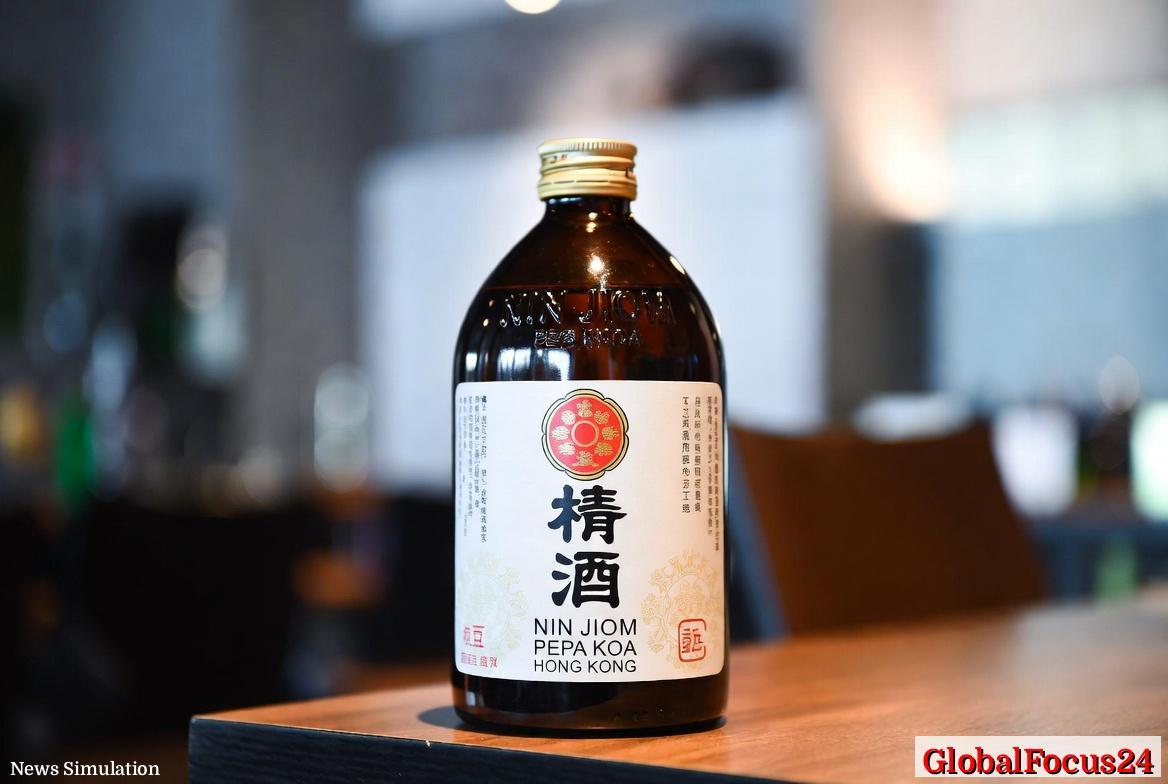
Nin Jiom Pei Pa Koa: A 17th-Century Chinese Remedy Finds New Life in the West
A Timeless Formula for Modern Coughs
For centuries, a small brown bottle with red-and-gold labeling has carried the comfort of an ancient recipe from China’s imperial past into homes around the world. Nin Jiom Pei Pa Koa, a sweet, herbal syrup made to soothe coughs and sore throats, was first concocted in the 1600s during the Qing dynasty. Today, it is experiencing a remarkable revival in Western markets as consumers increasingly turn to traditional remedies for relief from seasonal illness, dry throats, and respiratory irritation.
Once found mainly in Chinese herbal shops and Chinatowns across the globe, Nin Jiom Pei Pa Koa has now become a sought-after wellness product—stocked in pharmacies, health-food stores, and even online retail giants catering to the global demand for natural, plant-based remedies.
From Imperial Court to Global Shelves
The story of Nin Jiom Pei Pa Koa begins, according to company history, with a son’s devotion. In the late Ming or early Qing dynasty, a provincial official commissioned a physician to prepare a special syrup for his ailing mother. The soothing mixture of herbs and honey eased her cough, and the formula became known as “Pei Pa Koa,” roughly translating to “loquat syrup.” The name “Nin Jiom”—meaning “to remember one’s mother”—was later added when the official began sharing the remedy with others.
The formula combines traditional ingredients long prized in Chinese medicine, including loquat leaf, fritillaria bulb, platycodon root, honey, and a range of other herbs that balance cooling and moistening properties. While Western cough syrups commonly rely on active chemicals such as dextromethorphan or guaifenesin, Nin Jiom Pei Pa Koa reflects a centuries-old understanding of respiratory health rooted in balance and harmony rather than suppression.
Consistency Over Centuries
One of the most unusual aspects of Nin Jiom Pei Pa Koa is that its formula has remained essentially unchanged for over 400 years. Despite modern pharmaceutical advances, the brand has retained its traditional preparation methods and herbal ratios, relying on gentle heating and blending rather than synthetic additives.
This enduring consistency has become central to the brand’s identity. Consumers, both in Asia and abroad, often cite the syrup’s taste—a distinctive blend of herbal bitterness smoothed by honey and rock sugar—as part of its nostalgic charm. In Hong Kong, where the brand’s production continues under strict quality control, Pei Pa Koa is as familiar as a household remedy can be, often taken by singers, teachers, and anyone who strains their voice daily.
The Surge of Global Interest
Over the past decade, global health trends have shifted toward natural and holistic products, creating fertile ground for Nin Jiom Pei Pa Koa’s resurgence. The COVID-19 pandemic, which heightened public awareness of respiratory health, further accelerated interest in throat-soothing and immune-supportive remedies.
In North America, social media platforms have played a pivotal role in bringing Nin Jiom Pei Pa Koa to new audiences. Short-form videos and wellness influencers have praised the syrup for its silky texture and instant relief, calling it “herbal honey” or “the best-kept secret in Chinese medicine.” Western consumers, initially attracted by curiosity, have now expanded demand beyond Asian specialty stores.
The United States, Canada, and parts of Europe have seen increased imports since 2022, with distributors citing consistent year-over-year growth. This shift reflects a broader trend in consumer behavior: a willingness to experiment with time-tested Asian wellness traditions alongside or in place of Western pharmaceuticals.
Economic Footprints Across Markets
The global market for herbal and traditional medicine has grown steadily in recent years, fueled by a blend of cultural exchange and consumer skepticism toward artificial additives. Analysts project the worldwide herbal remedies sector will surpass hundreds of billions of dollars in value by the end of the decade. Within this expansion, products like Nin Jiom Pei Pa Koa represent a unique category—heritage remedies that blend tradition with modern branding.
For Hong Kong and Taiwan, Pei Pa Koa’s international reputation reinforces the region’s position as a hub for quality Chinese medicine manufacturing. Exports benefit not just the Nin Jiom brand but also affiliated growers of medicinal herbs in southern China, whose loquat and fritillaria crops have become integral to rural economies. Meanwhile, Western distributors have adapted their logistics to accommodate regulatory requirements, translating ancient pharmacopoeia into modern labeling standards without obscuring the product’s origins.
Comparisons With Regional Herbal Traditions
Pei Pa Koa’s rise in Western markets also mirrors similar patterns seen across Asia. In Japan, Kampo medicine—derived from classical Chinese formulas—enjoys state recognition and scientific backing. In South Korea, herbal syrups and teas have long been integrated into general healthcare. Even in India, Ayurvedic products such as chyawanprash (a sweet herbal tonic) have witnessed global growth alongside Pei Pa Koa’s popularity.
Unlike some modernized versions of Asian remedies, Nin Jiom’s syrup remains loyal to its original recipe and visual identity. This consistency distinguishes it in a crowded wellness marketplace, where authenticity is increasingly valued. Global consumers, weary of reformulated or synthetic “natural” products, appear to resonate with the sincerity embedded in Pei Pa Koa’s long-standing formula.
Western Integration and Cultural Adaptation
The integration of Nin Jiom Pei Pa Koa into Western households marks more than an economic trend—it highlights cultural adaptation in the global wellness landscape. For many first-time users, curiosity begins with the syrup’s striking sweetness and herbal aroma, followed by its perceived effectiveness in easing throat irritation.
Health professionals in the West largely regard the syrup as a benign supplement, provided it is consumed in moderation. Unlike conventional cough syrups containing alcohol or chemical expectorants, Pei Pa Koa’s natural base has also appealed to those seeking alternatives for children and sensitive adults. However, healthcare providers caution that while the syrup is effective in soothing discomfort, it should not replace medical evaluation in cases of persistent illness.
The product’s backstory—the filial act of love leading to a centuries-enduring formula—also resonates deeply with modern consumers seeking authenticity and emotional connection in their purchasing choices. In a fast-paced, digitized era, Nin Jiom’s message of care and continuity bridges cultural and generational divides.
A Symbol of Heritage and Healing
Today, Nin Jiom Pei Pa Koa holds dual identities: a medical heritage symbolizing traditional Chinese wisdom and a fashionable wellness item embraced by younger generations worldwide. Its durable appeal arises from more than mere efficacy; it represents comfort, memory, and trust passed down through time.
From concerts and classrooms in Hong Kong to offices and homes in California, bottles of the honeyed syrup now sit alongside modern remedies, embodying both continuity and reinvention. In many ways, its reemergence mirrors the cyclical nature of healing traditions—old knowledge rediscovered when modern life demands gentler cures.
The Future of Traditional Remedies in a Modern World
As demand for Pei Pa Koa continues to grow, it may well pave the way for other Asian herbal remedies to find a place on global shelves. If history is any indication, the syrup’s success lies not in aggressive marketing but in patient trust built over centuries. The balance of flavor, function, and folklore has given it a lasting presence unmatched by most over-the-counter products.
In a world that increasingly values sustainability and natural origins, Nin Jiom Pei Pa Koa serves as a reminder that some of the most enduring innovations are not new at all. They are rediscovered—preserved in amber-colored bottles, waiting for the next generation to rediscover what so many already knew: that sometimes, the sweetest medicine is the one that never changed.