Food and Recovery: How Common Meals Can Ease Flu Symptoms and Support Healing
Flu season arrives like a wave—sudden, widespread, and relentless. Within days, homes fill with humidifiers, cough drops, and warm beverages, while many people find themselves negotiating a new reality: sore throat that makes swallowing feel difficult, congestion that disrupts sleep, nausea that steals appetite, and fatigue that slows even basic tasks. For many individuals, the right foods can’t “cure” influenza, but they can play a meaningful role in symptom relief. The goal is practical and urgent: soothe irritated tissues, keep fluids moving through the body, and provide enough energy and nutrients to help the immune system do its work.
Across regions and generations, families have used food as first aid—an approach that reflects both biology and culture. Hydration supports mucus thinning and comfort; protein and calories prevent energy collapse when appetite drops; warm liquids may ease respiratory discomfort; and gentle, stomach-friendly options can reduce nausea during the worst hours. In healthcare settings, clinicians often emphasize that while antiviral medications matter most for flu management, supportive care—including nutrition and hydration—can influence how quickly people feel well enough to function again.
Why Flu Symptoms Affect Eating
Influenza changes the body’s priorities. Fever increases fluid needs and can lead to dehydration, while inflammation and irritation in the throat and airways intensify pain and cough. Congestion and post-nasal drip commonly trigger nausea, and the body’s stress response reduces appetite. Even when people want to eat, the usual comfort foods may feel unappealing, heavy, or too acidic.
This is where food strategy becomes more than “comfort.” During illness, the body benefits from choices that are easy to swallow, soothing to the throat, and gentle on the stomach. Nutrients that support immune function—such as vitamins, minerals, and sufficient calories—also matter. The best foods are the ones someone can actually tolerate, especially in the first 24–72 hours when symptoms often peak.
Hydration That Soothes: Fruit Juice Pops and Frozen Bars
One of the simplest flu-care tools is hydration delivered in a form that feels soothing. Ice pops made from 100 percent fruit juice can help calm a sore, swollen, or dry throat while maintaining hydration. Cold temperatures can numb discomfort and reduce the urge to swallow frequently, while fluids help thin mucus, making congestion less sticky and easier to clear.
Homemade frozen juice bars provide similar benefits and allow families to control ingredients. For people who feel nauseated or struggle to drink, sipping something cold and sweet can be easier than forcing down water alone. While plain water remains important, flu recovery often requires a “workable” hydration plan—especially when fatigue makes repeated drinking difficult.
Protein for Steady Energy: Turkey Sandwiches and Lean Meals
When the body fights infection, it burns through energy stores faster than usual. At the same time, appetite often collapses. That’s why protein-focused meals can be a turning point. Turkey sandwiches offer lean protein that supports recovery without the heaviness of very fatty foods. Protein also provides steadier energy, helping people feel less drained even when they cannot eat large portions.
For added comfort, some people choose cranberry sauce with turkey. The combination is both familiar and soothing, and the tang can make food feel more appealing when taste is dulled. The broader lesson is not about any single ingredient; it’s about making meals calorie- and nutrient-dense enough to matter when intake is limited.
Antioxidants and Easy Intake: Vegetable and Fruit Juices
Vegetable juice can provide an accessible source of antioxidants—compounds found in many plants that help protect cells from oxidative stress. During flu, that kind of support can be helpful, even if it doesn’t directly kill the virus. Importantly, juice can function as an “in-between” option when swallowing a full salad feels unrealistic.
When fresh produce is unappealing, 100 percent fruit juice can be a practical alternative. Flu recovery is often about choosing what’s tolerable in the moment. Fruit juice may be sweeter, which can make it easier to drink when symptoms have reduced appetite. As with any carbohydrate-rich liquid, moderation matters, but in the context of dehydration risk and low intake, the priority is getting fluids and basic micronutrients into the body.
The Classic Option: Chicken Soup as Supportive Care
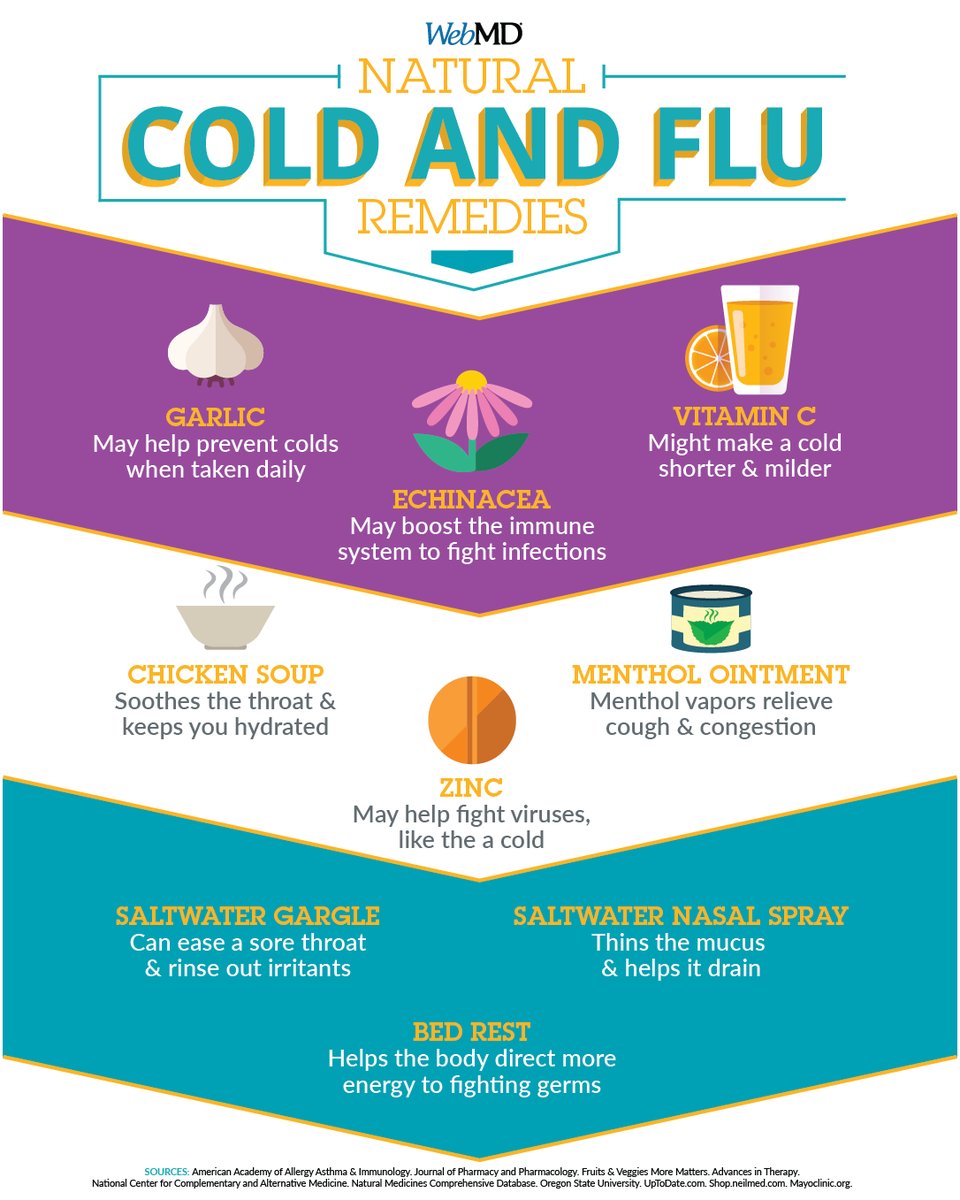
Chicken soup is more than a household tradition—it is a culturally reinforced model of supportive care. It supplies fluids, warm moisture, and a mix of nutrients that can make it easier to eat when the body feels overwhelmed. Warm liquids can feel calming for the throat, and the steam may help loosen congestion.
Chicken soup also offers a practical balance of components: broth for hydration, protein from chicken, and vegetables for additional micronutrients. Even when someone can’t eat much, a small bowl can deliver nourishment without requiring chewing or heavy effort. In many households, the ritual of preparing soup becomes part of how families provide care, signaling that recovery is possible—even when symptoms are intense.
Garlic and Immune Readiness
Garlic frequently appears in flu-related diets, often in soups, roasted dishes, or sauces. Garlic contains biologically active compounds that have been studied for potential immune-support effects. While no food can replace evidence-based medical treatment, adding garlic to meals during cold and flu seasons reflects a long-standing belief that certain ingredients may reduce illness duration or improve resilience.
From a practical standpoint, garlic also enhances flavor, which can matter when taste and appetite are disrupted. People who find food more palatable are more likely to eat enough to support recovery.
Ginger for Nausea Relief and Inflammation Support
Nausea is a common flu accompaniment, particularly when congestion triggers swallowing discomfort or when fever makes the stomach feel unstable. Ginger is widely used for digestive relief and can help reduce stomachaches and the uncomfortable feeling of nausea. It can be grated fresh, used as a powder, or incorporated into beverages like flat ginger ale (when carbonation worsens stomach discomfort, a non-sparkling option may feel easier).
The benefit of ginger in flu care is its versatility. People can use it as a powder in broth, steep it into tea, or add it to light meals. When the goal is tolerance, flexibility matters.
Tea, Steam, and Comfort: From Green to Black Varieties
Hot tea provides both liquid intake and a soothing, aromatic experience. Green tea, oolong tea, or black tea can offer antioxidants, and the steam from a hot cup may help ease the discomfort of a stuffy nose. The warmth can be particularly helpful at night when symptoms disrupt sleep and the body needs a calmer airway.
Many people add honey and lemon to tea for additional throat comfort. Honey is commonly used to soothe irritation, and lemon can provide a bright taste when other foods feel dull. For those who prefer to avoid caffeine during illness—or find caffeine worsens anxiety or sleep—decaf tea or herbal options can still provide warmth and hydration without stimulation.
Bananas and Toast: Gentle Foods When Appetite Collapses
Not everyone can eat a full meal during peak flu discomfort. That is why gentle, low-fuss foods often become lifesavers. Bananas are gentle on the stomach and can be suitable when nausea, vomiting, or diarrhea occur. They can be eaten whole, sliced, or mashed, making them adaptable for different tolerance levels.
Toast is another common “easy energy” option. Its mild crunch and simple carbohydrate content can feel manageable when the stomach feels unsettled. Pairing toast with something soothing, such as chicken soup, can provide a small but effective combination of warmth, fluid support, and energy.
Meal Replacement Drinks: When Solid Food Fails
Some flu days are simply too hard for chewing or digestion. In those situations, meal replacement drinks can help prevent significant calorie and nutrient gaps. Choosing lactose-free, low-sugar varieties can be useful for people with sensitive digestion. Many products provide protein, and aiming for options with at least 6 grams of protein can help support recovery when appetite is limited.
Still, real food generally remains preferable when feasible. The key is not to force elaborate meals during illness; it’s to maintain intake in a form the body will accept. For many people, a short period of meal replacements is a practical bridge until appetite returns.
Historical Context: Food as Household Medicine
The idea that meals can influence illness is ancient. Traditional medicine systems across centuries used broths, teas, and warm stews to comfort the sick—partly because warm fluids were reliably soothing and partly because the foods included ingredients that provided energy and micronutrients. During times before antibiotics and modern antivirals, supportive care was one of the only tools families had, so food routines became deeply embedded in everyday life.
Chicken soup in particular has a long cultural history as a “restorative.” The logic behind it is intuitive even without modern nutrition science: warmth helps comfort, broth helps hydration, and food provides energy. Over time, those observations hardened into tradition, and tradition helped people remember what worked.
Today, modern medicine can’t confirm that any single household remedy eliminates influenza. But it does support the broader principle: illness affects hydration and appetite, and supportive nutrition can improve comfort and functional recovery.
Economic Impact: Why Eating Well Matters During Community Outbreaks
Influenza outbreaks place pressure on families and healthcare systems at the same time. When many people fall sick, missed work hours increase, caregiving burdens rise, and spending shifts toward urgent care visits, medications, and at-home supplies. Food choices become part of that economic reality.
Buying inexpensive, flexible items—like soups, bananas, toast, and fruit juice—can be more cost-effective than dealing with prolonged dehydration or poor intake that leads to worsening symptoms. While the cost of living varies by region, access to basic grocery staples remains a key factor in how well families can maintain home care.
For households without easy access to healthy food options, flu recovery can become harder. That gap often translates into longer recovery windows, more frequent trips to medical facilities, and greater stress for caregivers. In this sense, supportive meals are not just about personal comfort; they affect how efficiently households can cope during surges in illness.
Regional Comparisons: How Different Cultures Provide Support
Across the world, flu-support foods often look different but serve similar functions: hydration, warmth, soothing textures, and easily digested nourishment. In many North American households, chicken soup, toast, and tea dominate flu routines. In parts of Asia and the Middle East, warm broths and ginger-infused drinks frequently play similar roles. In Latin American and Caribbean homes, fruit-based coolers or warm teas may provide hydration and comfort while tailoring sweetness and flavor to local preferences.
The common thread is practicality. People adapt ingredients to what their kitchens offer, what their cultures consider comforting, and what their bodies can tolerate while sick. The most effective approach is less about matching one “perfect” menu and more about combining fluids, gentle nutrition, and soothing meals in a way that the individual can actually consume.
Practical Takeaways for Flu Recovery
Food can’t replace medical treatment, but supportive nutrition is still a powerful part of recovery. Focus on options that reduce discomfort, support hydration, and help you maintain energy when appetite is low.
- Choose 100 percent fruit juice ice pops to soothe a dry or sore throat while increasing fluid intake.
- Use lean protein meals like turkey sandwiches to sustain energy during illness.
- Prioritize warm, broth-based foods such as chicken soup to support hydration and comfort.
- Add ginger or garlic where tolerated to support digestive relief and general immune resilience.
- Use hot tea—plus honey and lemon if desired—for throat soothing and steaming relief.
- Rely on gentle foods like bananas and toast when nausea reduces tolerance.
- Consider lactose-free, low-sugar meal replacement drinks when solid food is difficult, then return to real foods as appetite improves.
In the quiet hours when fever breaks and congestion loosens, the body often feels like it has regained its footing. Those improvements can be subtle: a more comfortable swallow, a better night’s sleep, the first meal that stays down. The foods you choose along the way may not erase influenza overnight, but they can make recovery more manageable—helping you maintain hydration, keep energy up, and move from symptom survival to steady healing.