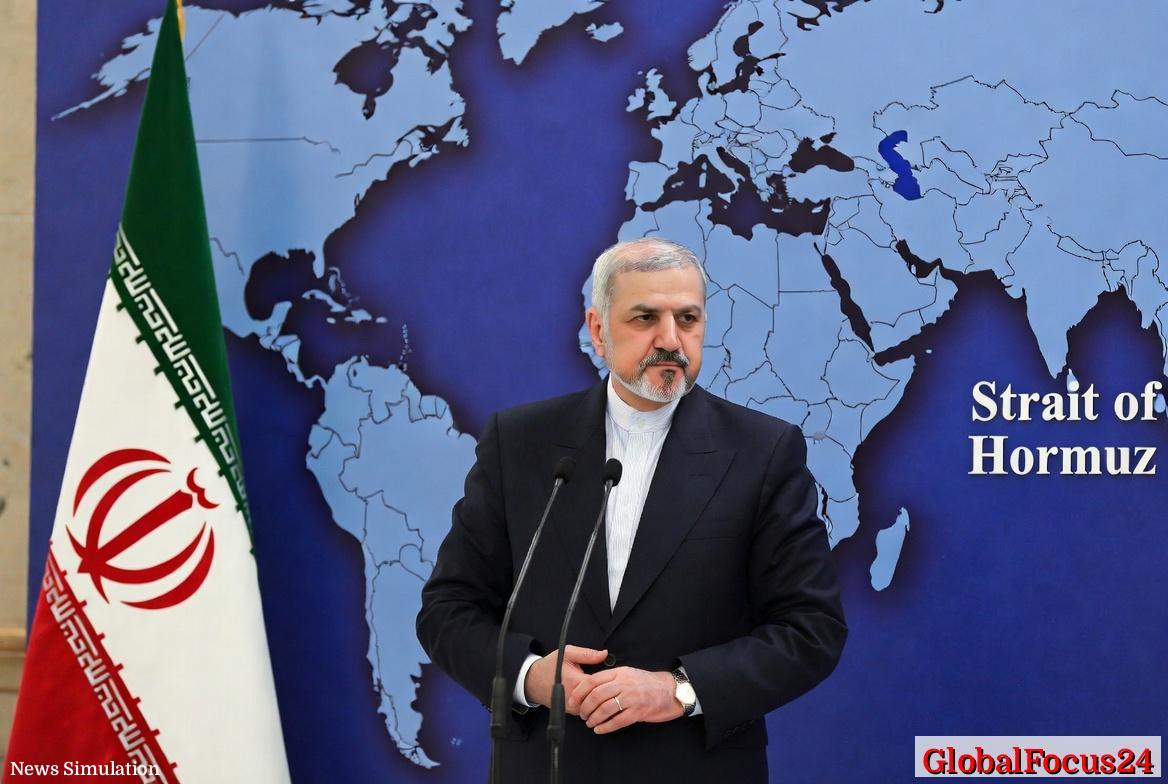
Iran Closes Strait of Hormuz Amid Escalating Tensions Over U.S. Blockade
Strategic Waterway Disrupted Again
Iran has announced the closure of the Strait of Hormuz, one of the world’s most critical maritime chokepoints, in response to what it describes as a continuing U.S. blockade. The move, confirmed through an official statement, immediately sent shockwaves through global energy markets and heightened concerns about the stability of international shipping routes.
“We warned you and you ignored it. Now enjoy Hormuz returning to its previous state,” an Iranian official declared, signaling a deliberate escalation after weeks of mounting tension. While details on enforcement remain limited, regional maritime authorities have already reported significant disruption to tanker traffic moving through the narrow passage connecting the Persian Gulf to the Gulf of Oman.
The Strait of Hormuz handles a substantial portion of the world’s oil shipments, making any closure a matter of global economic consequence. Early indications suggest that shipping companies are rerouting vessels or halting operations altogether as uncertainty grows.
Why the Strait of Hormuz Matters
The Strait of Hormuz is widely regarded as the most important oil transit chokepoint in the world. At its narrowest point, it spans just 21 miles, yet it carries roughly a fifth of global petroleum liquids consumption. Oil and liquefied natural gas exports from major producers such as Saudi Arabia, Iraq, the United Arab Emirates, and Qatar pass through this corridor daily.
Any disruption to this flow has immediate ripple effects across global markets. Energy prices tend to react sharply to even minor incidents in the region, and a full closure presents a far more severe scenario. Analysts warn that prolonged disruption could drive sustained increases in crude oil prices, affect shipping insurance costs, and trigger broader inflationary pressures worldwide.
Historically, the strait has been a flashpoint during periods of geopolitical tension. From the “Tanker War” phase of the Iran-Iraq conflict in the 1980s to more recent incidents involving vessel seizures and military standoffs, the waterway has repeatedly been used as leverage in disputes involving Iran and Western powers.
Historical Context of Maritime Tensions
Iran’s relationship with the Strait of Hormuz has long been intertwined with its broader strategic posture in the region. During the 1980s, both Iran and Iraq targeted oil tankers in an attempt to disrupt each other’s economies, prompting international naval intervention to protect shipping lanes.
In subsequent decades, Iran has periodically threatened to close the strait in response to sanctions or military pressure. While these threats have often remained rhetorical, there have been instances of harassment, temporary seizures of vessels, and limited disruptions that underscored the vulnerability of the route.
The current closure marks one of the more explicit actions taken in recent years. Unlike previous warnings, this move appears to be framed as a direct response to what Iran describes as a blockade affecting its own economic activities. That framing suggests a shift from deterrence rhetoric to active enforcement, raising the stakes for regional and international actors.
Immediate Economic Impact
The economic consequences of the closure are already becoming apparent. Oil prices surged in early trading following the announcement, with benchmark crude indices recording sharp gains amid fears of constrained supply. Energy markets are particularly sensitive to disruptions in the Persian Gulf due to the limited availability of alternative routes for large-scale exports.
Shipping companies are facing immediate logistical challenges. Tankers en route to or from Gulf ports must now either wait for clarity, reroute through longer paths, or suspend operations entirely. These adjustments increase transportation costs and delay deliveries, affecting everything from fuel supplies to petrochemical exports.
Insurance premiums for vessels operating in the region have also risen, reflecting the increased risk environment. Maritime insurers typically classify such zones as high-risk during periods of conflict or instability, leading to higher costs that are ultimately passed on to consumers.
Beyond energy markets, the closure could have broader economic implications:
- Increased fuel costs for transportation and manufacturing sectors.
- Potential supply chain disruptions affecting industries reliant on petroleum-based products.
- Currency fluctuations in oil-importing nations facing higher import bills.
- Pressure on inflation rates in both developed and emerging economies.
Regional Comparisons and Alternative Routes
The strategic importance of the Strait of Hormuz is partly due to the lack of viable alternatives. While some Gulf countries have invested in pipelines and infrastructure to bypass the strait, these options have limited capacity compared to maritime transport.
Saudi Arabia operates the East-West pipeline, which allows oil to be transported from the Persian Gulf to the Red Sea. The United Arab Emirates has a pipeline that bypasses the strait by connecting inland oil fields to ports on the Gulf of Oman. However, these routes cannot fully compensate for the volume typically handled by tanker traffic through Hormuz.
In comparison, other global chokepoints such as the Suez Canal or the Strait of Malacca also play crucial roles in trade, but they generally offer more flexible alternatives or shorter-term workarounds. The Strait of Hormuz remains uniquely difficult to replace due to its geographic position and the concentration of energy exports in the region.
Global Reactions and Market Volatility
International reactions have been swift, though measured. Several countries have urged restraint and called for the immediate reopening of the strait to ensure the free flow of commerce. Maritime security forces in the region are reportedly monitoring the situation closely, with some nations considering enhanced naval presence to safeguard shipping lanes.
Financial markets have responded with volatility. Energy stocks have risen in tandem with oil prices, while sectors sensitive to fuel costs, such as airlines and logistics companies, have experienced declines. Investors are closely watching developments for signs of escalation or resolution.
Commodity traders are also adjusting their strategies, with some seeking to secure alternative supply sources or hedge against further price increases. The uncertainty surrounding the duration of the closure adds to the complexity of these decisions.
Implications for Energy Security
The closure of the Strait of Hormuz underscores ongoing concerns about global energy security. Despite efforts to diversify energy sources and increase production in other regions, the Persian Gulf remains a cornerstone of global supply.
Countries heavily dependent on imported oil are particularly vulnerable to disruptions in this region. Strategic petroleum reserves may provide temporary relief, but prolonged instability could strain these запасes and force difficult policy decisions.
In recent years, there has been a growing emphasis on reducing reliance on single chokepoints through diversification of supply chains and investment in renewable energy. However, transitions of this scale take time, and the current situation highlights the continued importance of traditional energy infrastructure.
Uncertain Path Forward
The duration and scope of the closure remain unclear. While Iran has linked its action to the lifting of the U.S. blockade, there has been no immediate indication of negotiations or de-escalation measures. The situation is fluid, with developments likely to depend on both diplomatic efforts and actions taken on the ground.
Maritime traffic data in the coming days will provide a clearer picture of how effectively the closure is being enforced and how shipping companies are adapting. Meanwhile, energy markets and global trade networks are bracing for continued uncertainty.
The Strait of Hormuz has long been a barometer of geopolitical tension in the Middle East. Its closure once again places the region at the center of global attention, with consequences that extend far beyond its narrow waters.