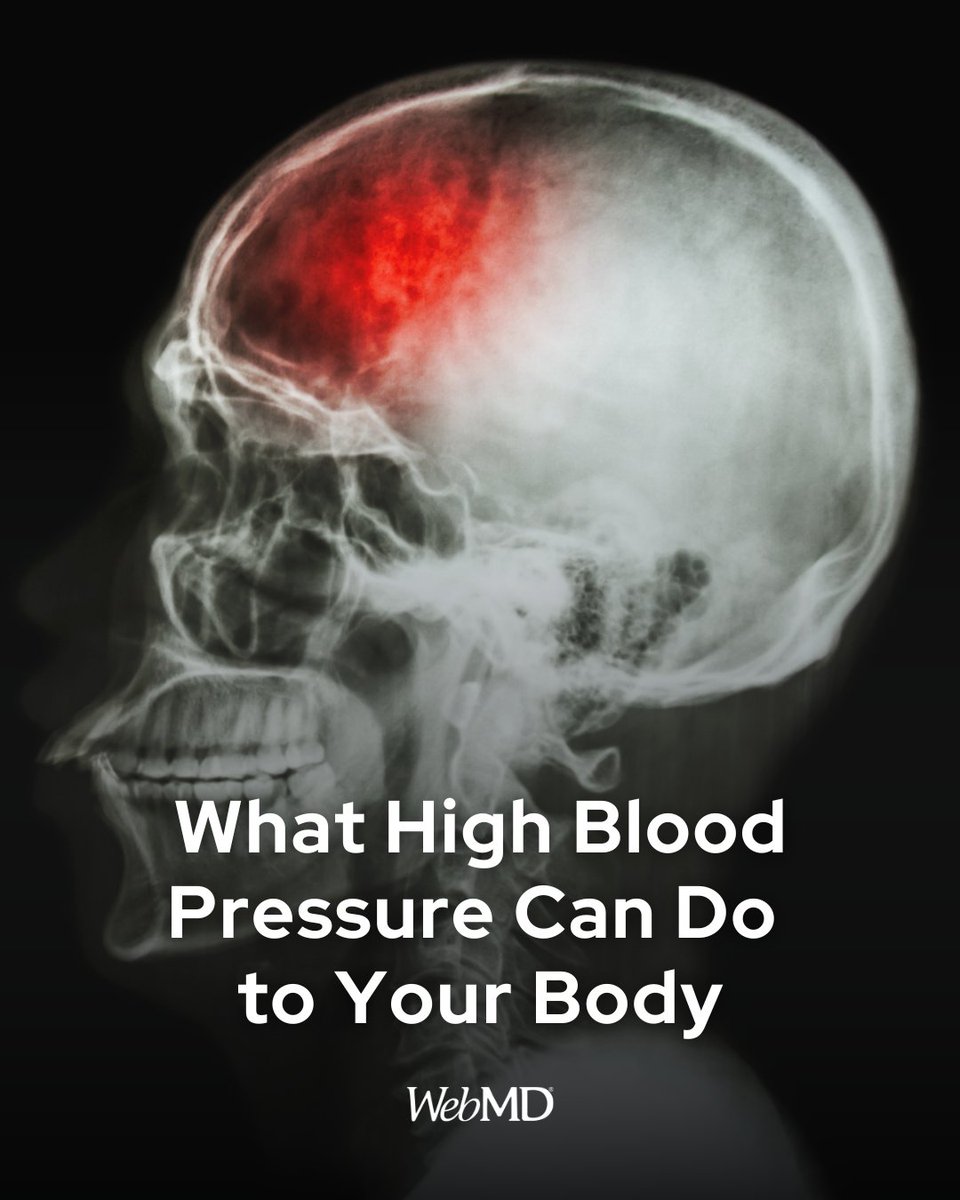
High Blood Pressure: A Silent Assault on the Body's Vital Systems
December 1, 2025 – High blood pressure, or hypertension, continues to impose a hidden toll on global health, attacking the body’s most vital systems long before visible symptoms appear. As medical experts emphasize, this chronic condition—often dubbed “the silent killer”—undermines the cardiovascular system and other organs through steady, unrelenting strain that builds over years.
The Hidden Nature of Hypertension
Hypertension progresses quietly, with individuals often unaware of their condition until a major complication emerges. The Centers for Disease Control and Prevention estimates that nearly half of adults in developed economies live with elevated blood pressure, yet many remain undiagnosed. Contributing factors such as sedentary lifestyles, high sodium diets, genetic predispositions, and chronic stress have accelerated its spread across every demographic, regardless of geography or income level.
Unchecked, elevated blood pressure inflicts damage from the inside out. The first victims are the arteries—the body’s critical pipelines for oxygenated blood. Persistent force scours their delicate lining, causing microtears that welcome fatty deposits known as plaques. Over time, these plaques calcify, harden, and narrow the arteries—a process known as atherosclerosis—restricting blood flow to major organs.
The Arteries Under Siege
When arteries lose flexibility and begin to clog, the heart must pump harder to move blood through the stiffened vessels. This added workload thickens the heart’s muscular walls, particularly in the left ventricle, leading to a condition called left ventricular hypertrophy. Though initially a sign of adaptation, it eventually compromises the heart’s ability to contract efficiently, setting the stage for heart failure.
Plaque buildup also breeds dangerous instability. A ruptured plaque can unleash clots that obstruct blood flow within seconds, resulting in heart attacks or strokes. In severe cases, chronic pressure can stretch the arterial walls until they balloon outward, forming aneurysms. Should an aneurysm burst—especially in a major vessel like the aorta—the outcome can be instantly fatal.
The Heart’s Relentless Burden
Cardiologists identify hypertension as the leading preventable cause of heart disease worldwide. In the early stages, patients may experience chest discomfort, irregular heartbeats, or episodes of dizziness without immediately associating them with their blood pressure. Yet over time, the heart’s continuous battle against resistance diminishes its endurance.
In Western countries, hypertension-related heart failure remains one of the primary reasons for hospitalization among adults over 60. Survivors of myocardial infarction—commonly known as heart attacks—often contend with lasting tissue damage. Shortness of breath, swelling in the legs, and persistent fatigue can mark the transition from compensated strain to outright heart failure.
Impact Beyond the Heart: Peripheral Circulation
The damage wrought by high blood pressure extends beyond the central cardiovascular system. In the extremities, reduced blood flow leads to peripheral artery disease (PAD). This condition manifests through leg pain during walking, numbness, or sores that fail to heal. In advanced stages, tissue death can occur, sometimes necessitating amputation.
Reduced circulation also affects the digestive organs, leading to abdominal discomfort and, in severe cases, compromising nutrient absorption. These systemic repercussions illustrate that hypertension is not merely a cardiovascular issue—it is a full-body affliction.
The Brain: A Critical Casualty
Among the most devastating outcomes linked to uncontrolled blood pressure are strokes. Hypertension remains the number one risk factor for both ischemic strokes, caused by clots, and hemorrhagic strokes, caused by ruptured vessels.
When brain tissue loses access to oxygenated blood, neurons die within minutes. The resulting impairments depend on the region affected—speech, vision, coordination, or memory may erode. Survivors often face long-term rehabilitation challenges, requiring months or years to regain even partial function. The FAST protocol—Face drooping, Arm weakness, Speech difficulty, and Time to call emergency services—remains the standard public guidance for recognizing stroke onset.
Moreover, chronic narrowing of the brain’s small arteries also contributes to vascular dementia, a condition frequently mistaken for Alzheimer’s disease. Here, the problem is not plaques or tangles, but microvascular damage that starves the brain of a steady blood supply, slowly eroding cognition and independence.
The Kidneys: Filters Under Fire
Hypertension is the second leading cause of kidney failure after diabetes. The kidneys depend on stable blood flow to filter waste and maintain electrolyte balance. Elevated pressure narrows or thickens the tiny arterioles that feed the nephrons—the kidney’s filtering units. As these vessels harden, filtration efficiency plummets, allowing toxins to accumulate in the bloodstream.
Patients with hypertension-related kidney disease often discover their condition only after blood tests reveal elevated creatinine levels or reduced glomerular filtration rates. Eventually, dialysis or transplantation becomes necessary. Preventive blood pressure control, therefore, remains one of the most effective barriers against kidney failure.
Vision and Retinal Damage
The eyes, though small, contain an intricate network of fine blood vessels that remain highly sensitive to pressure fluctuations. When elevated pressure damages these microscopic channels, the result is hypertensive retinopathy. Early signs include blurred vision and dark spots. Over time, fluid leakage and scarring distort the retina’s structure, sometimes culminating in partial or total blindness.
Ophthalmologists often detect undiagnosed hypertension during routine eye exams, where telltale vessel changes appear on the retina. Regular vision screenings can thus play a critical role in preventing irreversible damage.
Sexual Health and Hormonal Impact
High blood pressure can quietly erode intimate wellness for both men and women. In men, constricted arteries reduce blood flow to erectile tissue, causing persistent difficulties that signal broader vascular decline. For women, poor circulation can result in diminished arousal and lubrication, compounding fatigue and lowering overall quality of life.
These intimate symptoms, though often treated as unrelated, frequently serve as early warnings of cardiovascular distress. Addressing the root cause—restoring healthy blood pressure—can improve both physical and emotional well-being.
Bone and Metabolic Consequences
Emerging research suggests that hypertension also influences bone density. Elevated pressure appears to increase calcium excretion through urine, leading to gradual bone thinning and a heightened fracture risk, particularly among postmenopausal women. This connection underscores how thoroughly high blood pressure intertwines with metabolic health, reaching far beyond the circulatory system.
Hypertension also worsens insulin resistance, feeding into a vicious cycle with metabolic syndrome and obesity. When unaddressed, this trio accelerates the development of type 2 diabetes and further compounds cardiovascular risk.
The Vicious Cycle of Sleep Apnea and Hypertension
One less visible but increasingly recognized connection lies between sleep and blood pressure regulation. Obstructive sleep apnea—a condition in which breathing pauses repeatedly during rest—causes oxygen levels to fluctuate dramatically. Each interruption jolts the nervous system, releases stress hormones, and spikes blood pressure both during sleep and throughout the day.
This feedback loop intensifies hypertension, particularly in middle-aged men and individuals with obesity. Treating sleep apnea through lifestyle modification, continuous positive airway pressure (CPAP) therapy, or weight management can dramatically lower nighttime and morning blood pressure readings.
Global and Regional Trends in Hypertension
Around the world, hypertension patterns illustrate stark health divides. In North America and Western Europe, public health campaigns and widespread access to medication have curbed some of the most severe outcomes, yet lifestyle factors—poor diets, alcohol consumption, and physical inactivity—keep prevalence rates high.
In contrast, developing regions in Africa and South Asia face rising cases amid rapid urbanization and limited healthcare access. According to international health studies, only a small fraction of adults in low- and middle-income countries achieve blood pressure control through medication. Meanwhile, salt-heavy processed foods and changing work habits are contributing to a silent epidemic across urban centers.
National health systems now view hypertension control as a cornerstone of disease prevention policy. Regular screenings, patient education, and affordable medication access remain key strategies to reduce mortality and prevent costly hospitalizations associated with stroke and heart failure.
Prevention, Early Detection, and Treatment
Early detection is the single most effective defense against the long-term damage of high blood pressure. Physicians recommend at least annual screenings for adults, with more frequent checks for individuals who smoke, are overweight, or have a family history of cardiovascular disease.
Lifestyle modifications form the foundation of treatment. These include reducing salt intake, engaging in regular exercise, managing stress through mindfulness or therapy, limiting alcohol consumption, and maintaining a balanced diet rich in fruits, vegetables, and whole grains. When lifestyle efforts fall short, modern pharmacology offers effective treatments—from diuretics and ACE inhibitors to calcium channel blockers and beta-blockers—all tailored to individual needs.
Still, adherence remains a challenge. Many patients discontinue medication once their numbers improve, not realizing that hypertension demands consistent, lifelong management.
The Continuing Battle Against a Global Health Threat
High blood pressure exemplifies the paradox of modern medicine: a preventable, treatable condition that continues to claim millions of lives each year. The harm unfolds quietly, often without pain, but the outcomes—stroke, heart failure, kidney disease, and cognitive decline—leave indelible marks on families and economies alike.
Public health experts agree that raising awareness is critical. Every routine checkup, every conversation about lifestyle, and every small reduction in sodium consumption represents a step toward reducing the burden of this pervasive disease. In the fight against hypertension, silence is its greatest ally—and awareness, its most powerful enemy.