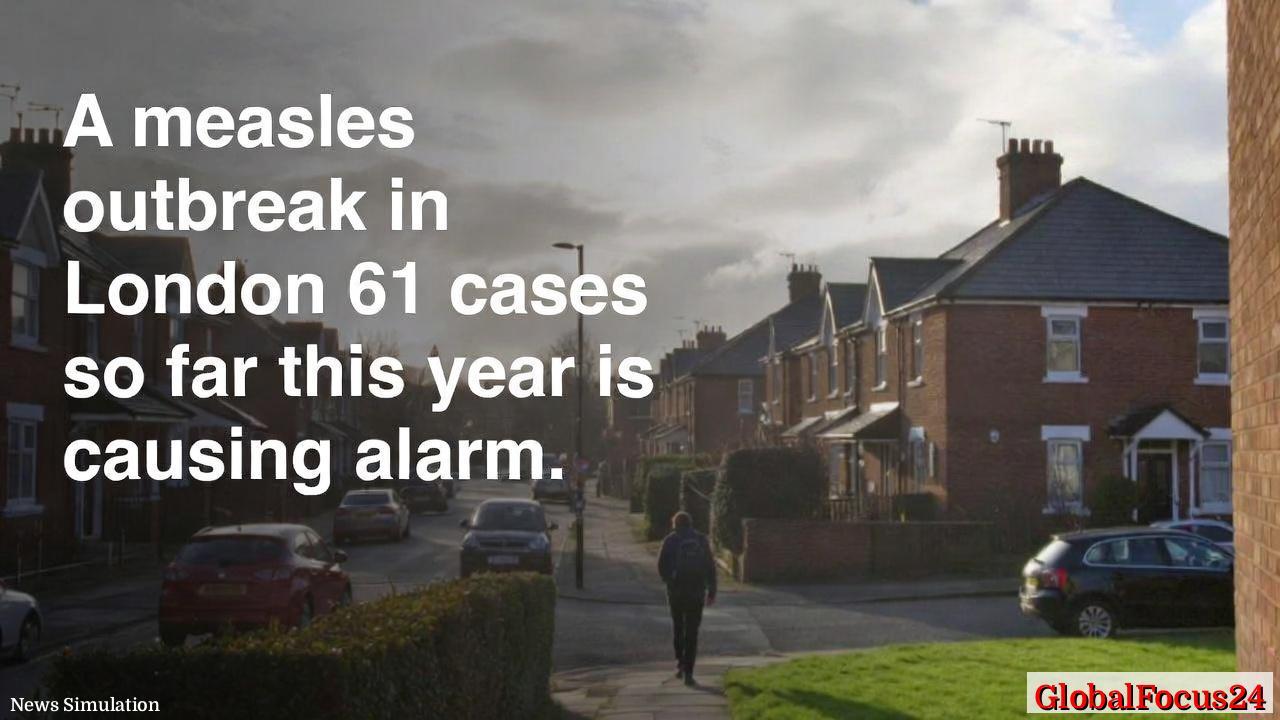
London measles outbreak tests public health response and regional resilience
A measles outbreak in London is drawing heightened attention as city health officials report a growing number of cases and local vaccination gaps. Early estimates place confirmed cases in the sixties for the current year, prompting renewed focus on immunization coverage, outbreak containment, and community outreach across affected boroughs. While measles remains preventable through vaccination, the episode underscores the ongoing challenges of maintaining high immunity levels in urban populations.
Historical context: lessons from past outbreaks and vaccination milestones
Measles has long been a barometer of public health success. In the United Kingdom, widespread vaccination campaigns in the late 20th century dramatically reduced incidence, transforming a once-routine childhood illness into a rarity for many cohorts. However, gaps in vaccination uptake persist in some communities, often due to a mix of access barriers, vaccine hesitancy, and informational gaps. Historical patterns show that measles outbreaks tend to flare when immunity thresholds dip, especially in dense urban settings where transmission runs quickly through susceptible groups. Understanding this history helps explain why recent cases in North London have generated concern beyond immediate clinical management, signaling potential signals for the broader population’s immune protection levels.
Current outbreak dynamics and regional similarities
The current outbreak situation in London highlights several core dynamics shared with urban outbreaks elsewhere. First, transmission accelerates in settings where vaccination coverage among kindergarten-age children is uneven, allowing clusters of susceptible individuals to sustain transmission chains. Second, schools, childcare centers, and social hubs often act as focal points for spread, necessitating targeted vaccination campaigns and rapid reporting to public health authorities. Third, the urban geography of London—with its mix of neighborhoods, commuting corridors, and varied socioeconomic profiles—creates a mosaic of risk where tailored interventions are more effective than one-size-fits-all measures. These patterns align with observations from other metropolitan areas grappling with measles threats, where vaccination coverage and rapid case identification remain the linchpins of containment.
Economic impact: health costs, productivity, and public investments
Outbreaks of preventable diseases exert tangible economic effects that extend beyond clinical care. Direct costs include medical treatment for non-severe cases and hospitalizations for more complicated presentations, as well as associated staff time for contact tracing and vaccination campaigns. Indirect costs touch on parental work absence, school disruptions, and the potential impact on local businesses during heightened alert periods. In London and comparable metropolitan economies, sustained vaccination efforts can offset longer-term expenses by reducing transmission risk, preserving workforce productivity, and maintaining uninterrupted access to essential services. The economic calculus tends to favor proactive immunization initiatives, particularly when outbreaks threaten to widen and when healthcare capacity is stretched.
Regional comparisons: London in the wider United Kingdom and European context
When comparing London to other major urban centers, several similarities emerge. Large cities frequently contend with vaccination gaps among migrant communities, younger populations, and marginalized groups who experience barriers to healthcare access. In many European contexts, measles outbreaks have prompted intensified outreach, mobile vaccination clinics, and school-based immunization drives, with varying success depending on local trust in health systems and logistical capabilities. London’s experience mirrors these broader trends while also reflecting its unique mix of international residents, dense public transport networks, and a political landscape that emphasizes public health preparedness. Evaluating London alongside these regional peers helps illuminate which strategies correlate with shorter outbreak durations and higher subsequent immunity levels.
Public health response: containment strategies and community engagement
A robust public health response to a measles outbreak typically hinges on a multi-pronged approach. Key components include rapid case identification and isolation of suspected cases, meticulous contact tracing to determine exposure windows, and vaccination campaigns aimed at increasing immunity in high-risk populations. Communication plays a pivotal role: clear, consistent messaging about vaccine safety and the benefits of immunization can counter misinformation and build trust. In parallel, logistical efforts—such as extending clinic hours, deploying mobile vaccination units, and coordinating with schools and community organizations—can close immunity gaps more efficiently. Public health authorities often monitor epidemiological indicators, including the reproduction number and the size of vulnerable cohorts, to guide adjustments in strategy and resource allocation.
Vaccination coverage: gaps, progress, and the path forward
Vaccination coverage remains a critical determinant of outbreak trajectory. While national and regional averages provide a benchmark, local data frequently reveal pockets of under-immunization that fuel transmission. Addressing these gaps requires a combination of accessibility improvements, targeted education, and partnerships with community leaders to normalize vaccination as a routine, non-controversial health practice. The path forward involves sustained investment in childhood vaccination programs, booster campaigns where appropriate, and ongoing surveillance to detect and respond to new cases promptly. By prioritizing high-coverage rates in early childhood and maintaining resilience against waning immunity, health authorities can reduce the likelihood of future flare-ups.
Societal impact: public perception, trust, and risk communication
Outbreaks of common infectious diseases carry social implications that extend into everyday life. Public perception of risk, trust in health authorities, and the quality of health communication influence adherence to vaccination recommendations and willingness to seek care promptly. Transparent reporting of case numbers, accessible explanations of vaccine safety, and culturally sensitive outreach help communities respond with confidence rather than fear. In metropolitan regions like London, engaging diverse communities through trusted messengers—such as local clinicians, educators, faith leaders, and community organizations—can improve information flow and participation in vaccination programs. The social dimension of outbreak management underscores that scientific and logistical efforts must be complemented by effective, audience-specific communication.
Historical context informs present actions and future resilience
By grounding current response efforts in historical understanding, policymakers can avoid past missteps and build more resilient health systems. The evolution of measles vaccination, the emergence of new communication channels, and the lessons learned from prior outbreaks all contribute to a more informed approach today. Investing in vaccination infrastructure, maintaining high routine immunization coverage, and fostering strong ties between health services and communities create a foundation that not only contains the present outbreak but also reduces vulnerability to future infectious disease threats. This forward-looking stance is essential for safeguarding urban populations and ensuring economic stability in a densely connected metropolis.
Public reaction and opportunities for improvement
Public response to outbreaks is often a mix of concern, pragmatism, and curiosity about long-term protections. Community forums, school meetings, and healthcare clinics frequently become focal points for questions about vaccine safety, scheduling, and accessibility. Authorities can capitalize on these moments to reinforce positive behaviors, simplify vaccination pathways, and demonstrate a steadfast commitment to protecting children and families. Looking ahead, expanding data transparency, enhancing surveillance capabilities, and sustaining preventive education will be crucial to improving resilience against measles and similar preventable diseases.
Conclusion: a measured, data-driven path to containment
Measles outbreaks in major urban centers demand a disciplined, evidence-based response that combines rapid public health actions with sustained community engagement. The London experience emphasizes the ongoing importance of maintaining high vaccination coverage, especially among young children and in neighborhoods where uptake has lagged. By aligning containment efforts with historical insights, economic considerations, and regional comparisons, health authorities can navigate the outbreak effectively while strengthening the city’s long-term defenses against preventable illnesses. The ultimate goal is to protect lives, preserve economic productivity, and foster confidence in public health programs that benefit communities across the capital and beyond.