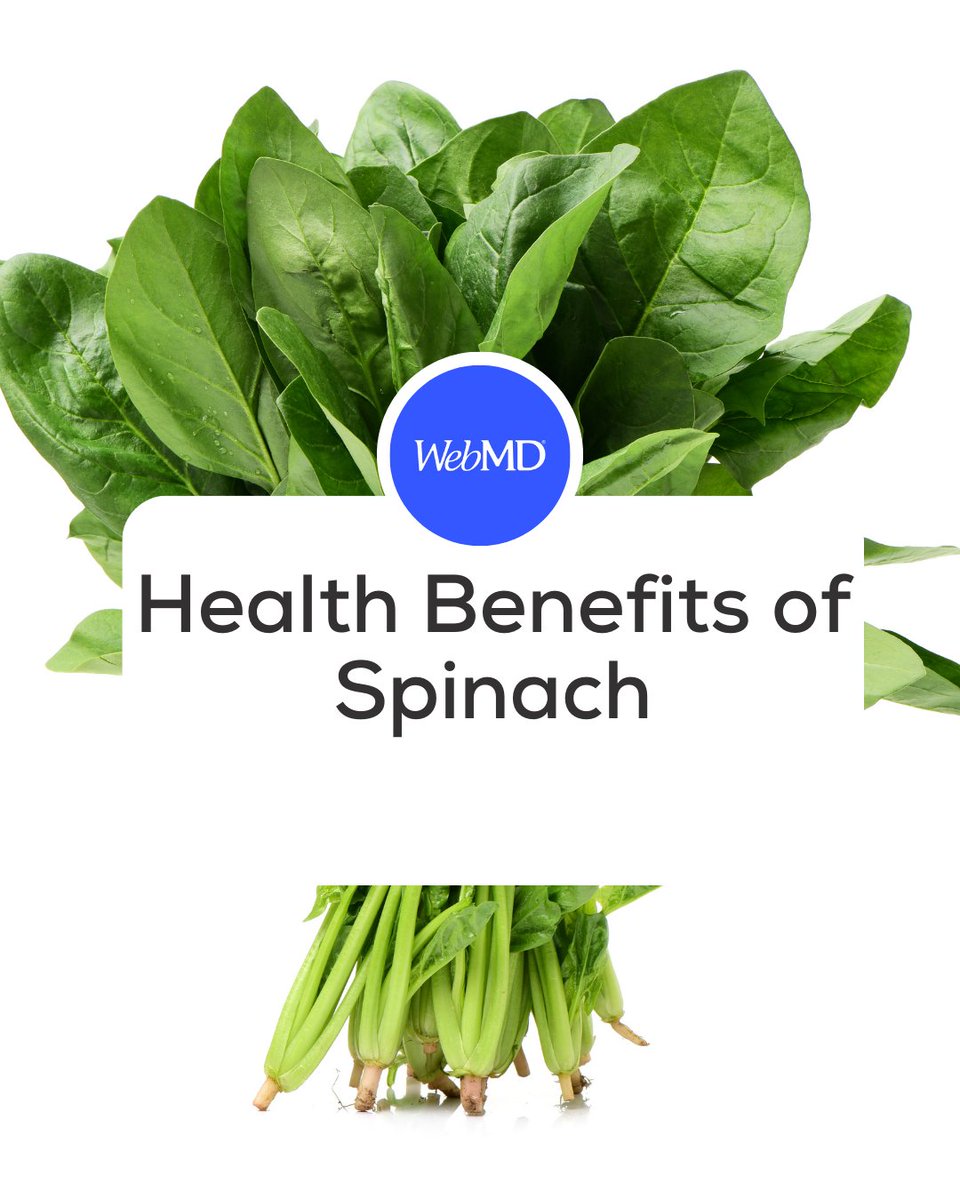
Spinach Emerges as a Powerful Ally for Vision and Eye Health
Rising Awareness of Nutrient-Rich Greens
Across health and nutrition circles, spinach has long been celebrated as one of nature’s most versatile and nutrient-dense foods. In recent years, growing scientific evidence has highlighted its exceptional benefits for eye health, particularly due to its high concentration of lutein — a potent antioxidant linked to the prevention of age-related eye diseases. As lifestyles increasingly expose people to digital screens, artificial lighting, and oxidative stress, the role of lutein-rich foods like spinach has become more relevant than ever.
Lutein, a carotenoid that gives spinach its vibrant green color, functions as an internal sunscreen for the eyes. It filters harmful high-energy blue light and shields retinal cells from oxidative damage. This protective mechanism has positioned spinach at the forefront of both clinical research and dietary recommendations aimed at preventing macular degeneration and cataracts.
Understanding Lutein’s Role in Eye Protection
The human retina naturally contains lutein and zeaxanthin, both of which accumulate in the macula — the central part of the retina responsible for detailed vision. With age, the concentration of these antioxidants tends to decline, leaving the eyes more vulnerable to damage. Scientists have consistently found that diets rich in lutein and zeaxanthin can increase the density of the macular pigment, improving visual performance and resilience to light-induced stress.
Unlike supplements, spinach provides lutein in a natural matrix alongside supporting nutrients like vitamin E, beta-carotene, and zinc. This combination enhances absorption efficiency and delivers synergistic benefits for overall eye health. Regular consumption of cooked spinach — which helps release fat-soluble antioxidants — has been shown to significantly boost blood levels of lutein over time.
Historical Roots of Spinach Consumption
Spinach’s association with strength and vitality dates back centuries. Originating in ancient Persia, the leafy green was introduced to Europe in the Middle Ages and quickly became a staple in Mediterranean diets. It later gained cultural prominence in America during the early 20th century, notably after World War I, when public health campaigns emphasized the importance of iron-rich foods.
However, it wasn’t until the late 20th century that medical science began exploring spinach for its eye-protective qualities. The discovery of lutein’s role in macular pigment density marked a turning point in nutritional science, transforming spinach from a simple vegetable into a vital component of preventive eye care. Today, researchers continue to uncover how this humble green can slow the progression of vision-related aging.
The Global Burden of Eye Diseases
The importance of antioxidants like lutein becomes clear when viewed against the backdrop of a rapidly aging population. According to global health organizations, age-related macular degeneration (AMD) affects nearly 200 million people worldwide, while cataracts remain the leading cause of blindness. Both conditions have profound effects on quality of life and public health spending, especially in regions with limited access to advanced vision care.
In the United States, the National Eye Institute estimates that millions of adults over 55 experience some form of early-stage AMD, often without symptoms until significant vision loss occurs. Preventive nutrition has emerged as a cost-effective tool for mitigating these risks. Spinach and other dark leafy greens are prominently featured in national dietary guidelines as part of a balanced approach to eye health.
Economic and Social Impact
The economic burden of eye diseases is substantial. Vision impairment can lead to loss of independence, increased healthcare costs, and reduced workforce productivity. Preventive strategies that emphasize diet and nutrition represent a proactive approach to lowering these expenses. A population that embraces spinach and similar nutrient-dense foods may experience not only health gains but also indirect economic benefits — from reduced medical treatments to improved quality of life.
Globally, regions with higher consumption of green leafy vegetables tend to report lower rates of age-related macular degeneration. For example, Mediterranean populations, whose diets are rich in spinach, kale, and citrus fruits, exhibit lower overall rates of severe visual decline. Researchers attribute this to the high intake of carotenoids, omega-3 fatty acids, and antioxidants inherent to these diets.
Comparing Regional Dietary Patterns
In North America, health campaigns increasingly highlight the protective effects of foods like spinach. Smoothies, salads, and plant-based meal trends have helped raise public awareness, while agricultural data show a moderate but steady growth in spinach consumption. California, Arizona, and Texas lead U.S. production, benefiting from year-round growing conditions and strong domestic demand.
In contrast, European nations, particularly in the Mediterranean region, have long integrated dark greens into daily meals. Traditional dishes such as Greek spanakopita and Italian sautéed spinach continue to serve as natural sources of lutein. In parts of Asia, spinach’s adaptability and affordability make it a common ingredient in home cooking, contributing to better nutritional outcomes.
Developing regions, where access to diverse foods can be limited, face growing challenges in promoting eye health. Nutrition-focused education campaigns and agricultural initiatives are increasingly encouraged to include leafy greens in local food systems as part of broader public health strategies.
Scientific Studies and Emerging Research
Over the past two decades, multiple studies have confirmed the correlation between spinach intake and reduced risk of eye disease. Clinical trials from institutions such as Harvard and Tufts University have shown that participants with higher dietary lutein levels experience slower progression of AMD and improved visual acuity under glare conditions.
Lutein’s effects are not confined to aging populations. Younger adults exposed to prolonged digital screen time may also benefit. Early research suggests that lutein enhances contrast sensitivity and reduces visual fatigue, offering potential relief to those affected by digital eye strain. As work and recreation continue to migrate online, foods rich in this carotenoid could play a growing role in protecting vision across age groups.
Preparing and Preserving Spinach for Maximum Nutrition
To gain the most from spinach’s nutritional profile, preparation methods matter. Lightly steamed or sautéed spinach retains more lutein than deep frying or overboiling. Combining it with a small amount of healthy fat, such as olive oil or avocado, enhances carotenoid absorption. Fresh spinach should be stored at cool temperatures and consumed promptly, as prolonged exposure to heat or light can diminish its antioxidant capacity.
Frozen spinach, when processed immediately after harvesting, provides a convenient and nutrient-dense alternative. It retains much of its original lutein content and can be easily added to soups, omelets, or stews — making it an accessible option for households seeking consistent sources of carotenoids.
Broader Health Benefits Beyond Vision
While eye health remains a central focus, spinach supports well-being in numerous ways. Its high content of vitamins A, C, and K, alongside minerals like magnesium and iron, contributes to immune function, cardiovascular health, and bone strength. The combination of fiber and low calorie density also makes spinach a cornerstone of weight management and metabolic wellness.
Emerging research suggests potential benefits for cognitive health as well. Certain compounds in spinach appear to counteract oxidative stress in neural tissues, potentially helping slow age-related cognitive decline. These findings strengthen the argument for viewing spinach not merely as a side dish but as a foundational element of a preventive nutrition plan.
Public Awareness and the Future of Nutrition
Awareness campaigns around lutein and spinach have expanded in recent years, driven by both the food and healthcare industries. Eye health specialists increasingly collaborate with nutritionists to promote balanced diets rather than relying solely on supplements. Educational programs in schools and community centers often use spinach as an example of how everyday foods can deliver measurable long-term health benefits.
As populations age and digital lifestyles intensify, the global need for vision protection will only grow stronger. Foods naturally rich in antioxidants — particularly spinach — are poised to play a critical role in preventing disease and maintaining quality of life well into later years.
A Simple Step Toward Lifelong Vision
In a world where medical interventions can be expensive and often reactive, turning to natural, nutrient-rich foods offers a simple yet powerful alternative. Incorporating spinach into daily meals — whether as a salad base, a smoothie ingredient, or a cooked side — delivers significant health dividends.
Spinach’s abundance of lutein, coupled with its broad spectrum of vitamins and minerals, reinforces its reputation as one of the most valuable vegetables for eye health. From ancient medicine to modern science, its story continues to evolve — reminding us that sometimes, the greatest defenses against age and disease grow quietly in the garden.