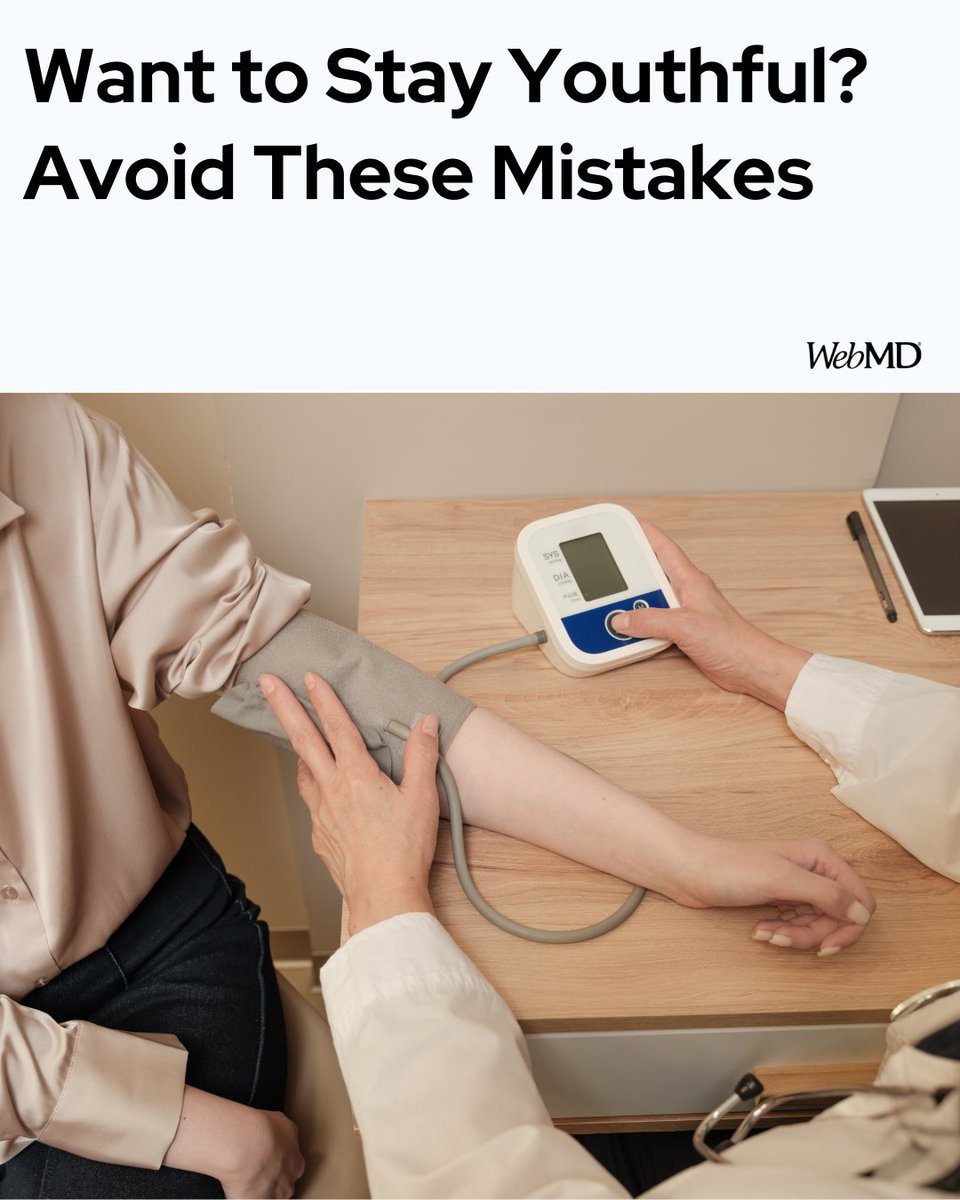
Blood Pressure May Accelerate Aging Faster Than Expected: How Vascular Stress, Sleep, Sun, and Inactivity Can Compound Over Time
For decades, high blood pressure has been described as a “silent” condition—often present without obvious symptoms, yet capable of quietly damaging the body’s most vital systems. Newer public-health messaging is sharpening that focus by emphasizing not only the well-known risks of heart attack and stroke, but also a subtler, long-term outcome: accelerated aging. Health experts increasingly point to a chain reaction in which persistently elevated blood pressure strains blood vessels, amplifies oxidative stress, and contributes to cellular wear—effects that may appear internally in the form of reduced organ resilience and externally through changes in skin, appearance, and recovery capacity.
While aging is universal, the rate at which people experience its visible and biological signs is influenced by daily habits, environmental exposure, and medical risk factors that can accumulate for years. In this context, blood pressure is not merely a number on a lab result; it can become a driver of how quickly the body’s “maintenance systems” fatigue.
Why High Blood Pressure Can Mean Faster Wear and Tear
Blood pressure reflects how much force blood exerts against artery walls as the heart pumps. When pressure remains elevated—whether due to genetics, chronic stress, diet patterns, or other health conditions—blood vessels experience constant mechanical stress. Over time, that stress encourages structural and functional changes in the vascular system, including stiffening of arteries and impaired ability of vessels to dilate properly.
This matters for more than circulation. Vessels help deliver oxygen and nutrients, regulate body temperature, and support immune signaling. When their function weakens, nearly every organ system indirectly suffers. The heart works harder, the kidneys must filter against increasing strain, and the brain can face changes that affect cognition and the integrity of small blood vessels.
Experts describe a related biological pathway involving oxidative damage and inflammation. Elevated blood pressure tends to increase oxidative stress, which can injure cells and accelerate the breakdown of molecular structures. In practical terms, that injury can translate into reduced regenerative capacity, slower recovery from everyday strain, and a greater likelihood of chronic conditions that often accompany later life.
Importantly, blood pressure’s effect on aging does not require dramatic symptoms. Even moderately uncontrolled levels sustained over long periods can add to cumulative risk.
Cellular Damage and Visible Aging: The Connection People Can Feel
Aging presents itself in two overlapping domains. Internally, the body’s cells, tissues, and organs undergo gradual changes in how they repair themselves. Externally, the skin and connective tissues show signs of wear—often as wrinkles, reduced elasticity, uneven pigmentation, and slower healing.
Blood vessels sit at the center of both domains. Skin relies on microcirculation for oxygenation and nutrient delivery. When microvessels function less effectively, skin may appear duller, recover more slowly after irritation, and show earlier texture changes. Meanwhile, systemic vascular dysfunction can contribute to a general decline in the body’s ability to respond to stress—whether that stress comes from a missed night of sleep, prolonged sitting, or physical exertion.
The key point is that aging is not one event; it is an ongoing process. Persistently elevated blood pressure can shift that process toward faster deterioration by keeping the cardiovascular system in a near-constant state of strain.
Sleep Loss: When Nightly Repair Doesn’t Keep Up
Sleep is often treated as a lifestyle preference, but it functions as a biological maintenance window. During sleep, the body performs repair tasks that help preserve tissue health and regulation of immune and metabolic pathways. Inadequate sleep can impair those functions and increase vulnerability to stress hormones, which in turn can affect blood pressure and vascular tone.
Poor sleep also interacts with inflammation. When recovery is incomplete, inflammatory signaling can remain elevated, and oxidative stress may increase. For someone dealing with blood pressure issues, disrupted sleep can become a feedback loop: sleep deprivation can worsen blood pressure regulation, and higher blood pressure can further impair sleep quality through discomfort, anxiety, or physiological instability.
The result is an environment where the body’s “clock” may tick faster—both in terms of internal aging pathways and in terms of how quickly the skin and overall energy levels reflect strain.
Sun Exposure and Skin Structure: The External Accelerant
If blood pressure represents internal pressure on the body’s infrastructure, ultraviolet (UV) radiation is an external force that can accelerate visible aging. Sun exposure damages collagen and elastin, two proteins essential for skin firmness and elasticity. Over time, that damage contributes to sagging, fine lines, and an uneven complexion.
Experts often describe UV exposure as cumulative: the effects of today’s sun are layered onto past exposure. When people already have vascular stress—linked to uncontrolled blood pressure and other risk factors—the skin’s ability to repair micro-injuries may be reduced. Combined with ongoing UV exposure, that diminished repair can lead to more noticeable changes earlier than expected.
This does not mean that sunlight should be avoided entirely; it means that protection matters. Regular sun protection—especially during high-UV periods—helps reduce the rate of collagen breakdown and can slow the visible aging pathway.
Inactivity: How Low Movement Compounds the Problem
Physical activity supports circulation, improves vascular function, and helps regulate metabolism. Inactivity, by contrast, can reduce blood flow efficiency and contribute to worsening cholesterol profiles, weight gain, and insulin resistance—factors that often travel alongside blood pressure issues.
Movement also influences how the body responds to stress. Regular exercise can reduce baseline inflammation and enhance the balance of hormones that affect vascular tone. For people with higher blood pressure, even moderate consistent activity can improve how arteries respond to changing demands.
When inactivity persists, the body loses the regular “training signals” that help maintain healthy vessel flexibility and metabolic health. Over time, that loss may become visible as reduced stamina, slower recovery, and a greater likelihood of aches and stiffness—symptoms that reflect systemic aging processes.
The Compounding Effect: Multiple Factors, One Aging Trajectory
The emerging message from clinicians and public-health educators is not that one factor alone determines how fast someone ages. Instead, multiple everyday influences can compound. High blood pressure can amplify oxidative stress. Poor sleep can weaken repair. Sun exposure can damage skin structure. Inactivity can reduce circulation and resilience.
Together, these factors can create a cumulative acceleration of aging effects. Even when each factor seems manageable on its own, the combined burden can push the body beyond its optimal recovery capacity.
This is why experts increasingly recommend not relying on single, short-term fixes. Consistency matters because biological repair and adaptation are ongoing processes. A one-week improvement may yield noticeable short-term benefits, but sustained routines are what reshape long-term risk.
Economic Impact: Why Accelerated Aging Matters Beyond Individuals
Accelerated aging carries implications for health systems and economies. When vascular health declines and recovery becomes slower, the likelihood of chronic diseases rises. Heart disease, stroke, kidney disease, and diabetes complications impose significant costs on healthcare providers, families, and national economies.
At a system level, uncontrolled blood pressure contributes to more frequent medical visits, diagnostic testing, long-term medication use, and in many cases hospitalizations. As people live longer, the proportion of individuals facing age-related functional decline also grows. That creates pressure not only on hospitals but also on outpatient care, rehabilitation services, and long-term support programs.
From a workforce perspective, health deterioration tied to cardiovascular risk can affect productivity through increased sick days, reduced physical capability, and higher rates of disability claims. When people age faster, fewer can maintain physically demanding work, and more may require accommodations.
Reducing avoidable aging acceleration—through blood pressure control, healthier sleep patterns, sun protection, and regular movement—could therefore yield broader economic benefits. Preventive care typically costs far less than managing complications after damage accumulates.
Regional Comparisons: Patterns in Risk and Access
Across regions, risk factors for blood pressure and unhealthy aging vary in predictable ways. In many communities, rates of hypertension correlate with differences in diet, physical activity opportunities, healthcare access, and the prevalence of chronic stress. Urban areas may offer more exercise options but can also bring challenges such as long work commutes and limited time for consistent meal planning. Rural areas may struggle with access to primary care, leading to delayed diagnosis and inconsistent monitoring.
Socioeconomic differences often shape how quickly blood pressure is identified and treated. Reliable home blood pressure monitors, access to preventive visits, and the ability to obtain medication continuously can strongly influence outcomes. When access is limited, high blood pressure may remain uncontrolled for longer periods, increasing cumulative vascular stress.
Nutrition patterns show regional variation as well. Diets with higher sodium intake can elevate blood pressure, while diets that emphasize fruits, vegetables, and whole grains generally support better cardiovascular health. In some places, affordable healthy food options remain less available, reinforcing risk.
Even sun exposure varies by geography and lifestyle. Regions with higher year-round UV intensity or climates that encourage outdoor activity without adequate protection may see more frequent skin damage. However, the effect depends on behavior, awareness, and availability of protective products.
The common thread in regional comparisons is not just difference in climate or infrastructure, but differences in prevention and support—especially access to consistent monitoring and guidance.
Practical Steps: Reducing Risk Without Waiting for a Crisis
Experts stress that prevention should start early and continue throughout adulthood. For individuals, the most effective approach typically involves a combination of monitoring, lifestyle adjustments, and medical support when needed. Rather than treating high blood pressure as a one-time problem, the goal is to stabilize it reliably over time.
Key actions often recommended by clinicians include:
- Monitoring blood pressure regularly, including with home measurements where appropriate, and discussing results with a healthcare professional.
- Managing diet to support healthy blood pressure, focusing on sodium moderation and nutrient-rich food choices.
- Building a consistent movement routine, such as brisk walking, cycling, swimming, or strength training, tailored to fitness level and medical history.
- Prioritizing sleep quality by maintaining regular sleep timing, limiting late caffeine, and addressing conditions that disrupt rest.
- Using sun protection, including sunscreen with appropriate UV coverage, shade strategies, and protective clothing during high-exposure hours.
- Reducing stress through evidence-based methods such as breathing exercises, mindfulness practices, therapy, or structured stress-management routines.
- Following medical guidance for medication when lifestyle changes alone are insufficient, emphasizing adherence rather than short-term experimentation.
The urgency, experts say, comes from time. Vascular damage can accumulate quietly. That means early action can meaningfully change the trajectory, potentially slowing both internal decline and visible signs of aging.
Medical Guidance and the Role of Early Intervention
Because high blood pressure can be symptom-free, people may underestimate their risk. A reading that appears only occasionally can still indicate an underlying pattern. That is why routine checkups and accurate measurements matter. When elevated readings persist, clinicians may recommend lifestyle interventions first or alongside medication depending on severity and overall health profile.
Early intervention has a compounding benefit. By stabilizing blood pressure sooner, the body experiences less ongoing strain. That can lower the probability of downstream complications and may help preserve vascular function that influences skin health, energy, and overall resilience.
Equally important is personalized guidance. Factors such as kidney function, diabetes risk, sleep apnea, family history, and medication interactions can affect the best plan. Medical professionals aim to tailor approaches rather than apply one-size-fits-all advice.
Public Reaction: From “Numbers” to Daily Life
Public conversation around aging is shifting. Instead of focusing solely on skincare products or quick diet trends, many people now connect aging speed to measurable health behaviors and medical metrics. Blood pressure is increasingly discussed alongside sleep habits, exercise routines, and sun protection, as awareness grows that these elements overlap in the body’s repair and damage pathways.
This broader framing has practical consequences. People who once viewed blood pressure as a distant concern may become more attentive to daily habits: drinking water appropriately, reducing high-sodium processed foods, walking after meals, and protecting skin during outdoor activities. Others may take sleep more seriously, recognizing that rest is not passive downtime but an active physiological process.
The sense of urgency is not panic. It is clarity about how daily choices influence long-term outcomes.
A Longer View of Health: Slow the Clock, Protect the Body
Aging will happen regardless of genetics. Still, the evidence-driven message taking hold in health circles is that the pace is modifiable. High blood pressure can contribute to accelerated aging by stressing the cardiovascular system and promoting cellular damage. Poor sleep, excessive sun exposure, and inactivity can reinforce the same trajectory through weakened repair, structural skin damage, and reduced circulation.
The most resilient strategy is a durable one: monitor blood pressure, support cardiovascular health with diet and activity, protect skin from UV damage, and build sleep and stress management into daily life. When these measures work together, they can help the body maintain function longer and preserve both internal vitality and outward appearance.
In a world where many chronic conditions remain silent until damage has accumulated, the strongest advantage is early prevention. Stabilizing blood pressure and reducing everyday accelerants offers a pragmatic path toward healthier aging—one that respects the reality of time while giving individuals meaningful control over how that time is experienced.