Fruits Are Becoming a Quiet Protein Powerhouse: How the Produce Aisle Supports Everyday Nutrition
Fruits have long been treated as the friendly counterpoint to heavier food groups—bright, refreshing, and packed with vitamins and fiber. But as more people look for practical ways to meet protein needs without relying exclusively on meat, eggs, or dairy, many of the world’s most familiar fruits are stepping into a new spotlight. While fruits are never likely to replace a protein-rich staple like beans, eggs, or fish, several varieties do provide meaningful protein that can support daily goals, especially when fruit is paired wisely with other foods.
In households across North America and Europe, and in tropical and subtropical regions where certain fruits grow naturally, the idea that fruit can contribute to protein is hardly new. What’s changing is the scale of consumer attention and the way modern diets are being assembled—often with an emphasis on convenience, plant-forward options, and ingredient transparency. From smoothies and yogurt bowls to salads, curries, and snack packs, fruit is increasingly used as part of a broader nutritional strategy, not merely a finishing touch.
Why Protein in Fruit Matters
Protein plays a central role in the body, supporting the growth and repair of tissues, helping maintain muscle, and contributing to the production of enzymes and hormones. For many people, meeting daily protein targets can feel like a balancing act: eat enough to stay full and supported, without overloading on calories or sacrificing variety.
Fruit-based protein won’t dominate a typical plate. Still, the protein that comes with fruit can add up over the day—particularly for people who prefer lighter meals, follow vegetarian or flexitarian patterns, or want to diversify protein sources to reduce reliance on any single food. Fruit also brings pairing advantages. Its fiber can improve satiety, its natural sugars can enhance the palatability of otherwise plain meals, and its micronutrients—especially vitamin C and potassium—help support overall metabolic health.
Historically, many traditional diets in Asia, Africa, and Latin America have included fruit alongside grains, legumes, nuts, and proteins. That combination often helped balance energy intake with vitamins and fiber. Modern nutrition science has helped clarify what communities already practiced: the overall pattern matters, and food groups can contribute in multiple ways beyond their most famous nutrients.
Guava: A Standout for Fruit Protein
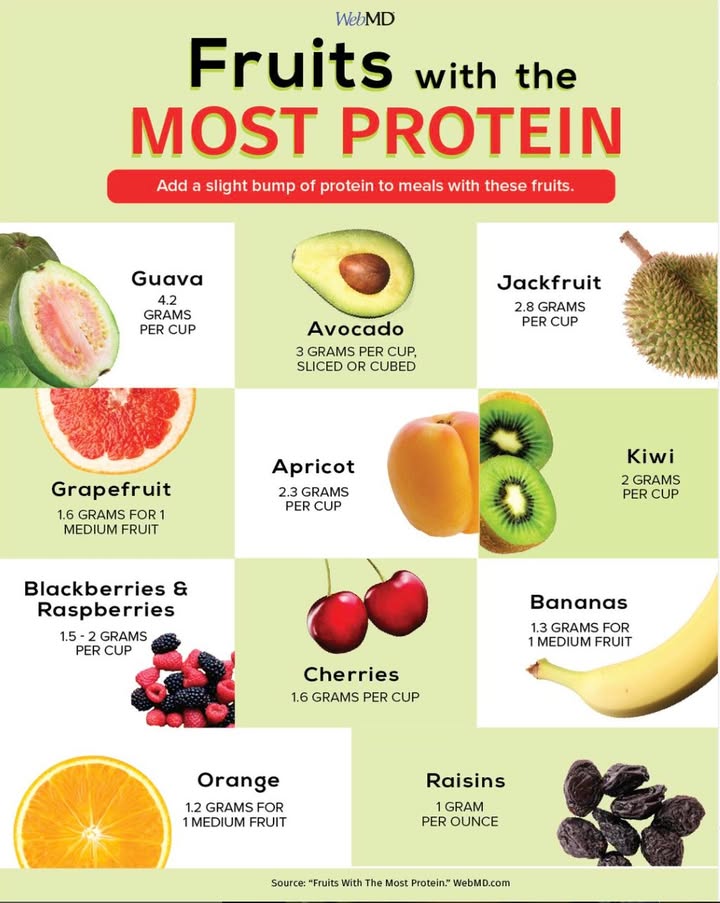
Guava has emerged as one of the most protein-forward fruits commonly available in many markets. Each cup of guava contains about 4.2 grams of protein, making it a notable contributor compared with many other fruits. Guava’s nutritional profile also includes vitamin C and dietary fiber, which can support immune function and digestive health—two benefits that often drive consumer interest in the first place.
In practical terms, guava fits naturally into everyday eating habits. Its tropical flavor works well in fruit salads, smoothie blends, and yogurt toppings. Some communities also use guava in sauces or as a breakfast fruit with toasted grains. Because guava delivers both protein and micronutrients, it can function as a “bridge” ingredient: the type of fruit that encourages people to think beyond sweetness while still enjoying familiar textures.
Avocado: Protein Plus Healthy Fats
Avocado often enters conversations about nutrition through the lens of healthy fats and potassium, but it also provides a meaningful amount of protein. One cup of sliced or cubed avocado offers roughly 3 grams of protein. That protein contribution may be modest, but avocado’s overall structure—creamy texture, high fiber potential, and versatile taste—makes it one of the easiest fruits to incorporate into savory meals.
Unlike many fruits that are typically eaten alone or as dessert-like options, avocado pairs effortlessly with ingredients that already provide protein. It can top beans, add depth to lentil salads, or bring body to grain bowls. For people trying to increase protein intake without relying on a single food group, avocado offers a convenient way to add richness and fullness while still contributing to overall protein.
Avocado also provides an example of how “fruit as protein” depends on context. When paired with sources such as eggs, tofu, chickpeas, or lean meats, avocado can help create a balanced meal where protein is supported by fiber and healthier fats. The result is often higher satiety—an attribute that can indirectly support healthier eating patterns over time.
Jackfruit: From Fruit to Plant-Based Filling
Jackfruit has become widely recognized as a plant-based alternative in dishes that imitate meat-like textures. Each cup of jackfruit contains about 2.8 grams of protein. While it is not a complete substitute for protein-dense foods, jackfruit’s culinary role has helped elevate its profile among home cooks and restaurant menus that cater to vegetarian and flexitarian preferences.
In many regions—particularly in parts of South Asia and Southeast Asia—jackfruit has long been used in savory cooking, from curries to stews. What’s new is the global spread of jackfruit-based recipes and the way modern food culture has adopted them. In recent years, jackfruit has been featured in tacos, sandwiches, and slow-cooked “pulled” styles that mirror traditional meat preparations.
Economically, jackfruit has benefited from a broader market narrative: consumers increasingly seek familiar flavors but with plant-forward options. That demand can increase supply chain interest, encouraging distribution beyond local growing regions. As the fruit becomes more mainstream in packaged forms and frozen cuts, availability can expand, though pricing may remain higher in some areas depending on local production and import logistics.
Other Fruit Options With Notable Protein
Beyond guava, avocado, and jackfruit, a range of fruits offer smaller yet meaningful protein contributions. These options can matter for people who aim to reach protein targets across the day by making incremental additions.
Fruits with notable protein amounts include:
- Kiwi, with about 2 grams of protein per cup
- Apricots, around 2.3 grams per cup when sliced fresh
- Blackberries, roughly 2 grams per cup
- Raspberries, about 1.5 grams per cup
These fruits often bring strong sensory appeal—bright tang, delicate sweetness, and colorful presentation. That matters because it influences adherence. People stick with dietary strategies more easily when they enjoy the foods involved, and protein-rich fruit additions can make a protein plan feel less restrictive.
For consumers comparing everyday options, berries and stone fruits can be especially practical. They fit into yogurt pairings, oatmeal bowls, and snack routines. They also align with the trend toward minimally processed foods, since many can be used fresh or frozen with minimal changes.
Dried Fruit and Convenience Protein
In addition to fresh fruits, dried fruits provide another route for protein contributions, particularly when fresh options are limited by cost, shelf life, or access. Raisins, for example, contain nearly 1 gram of protein per ounce. Although dried fruit is typically more calorie-dense than fresh fruit, it offers portability—an advantage for commuters, students, and travelers who need a quick, shelf-stable snack.
Bananas, oranges, and grapefruit provide some protein as well:
- Bananas deliver about 1.3 grams per medium fruit
- Grapefruit provides about 1.6 grams per medium fruit
- Oranges provide around 1.2 grams per medium fruit
- Cherries offer about 1.6 grams per cup of pitted fruit
Because these fruits are already widely consumed, they can serve as a low-friction way to add small protein increments without changing shopping habits dramatically. The key is using them strategically—pairing them with higher-protein foods can turn a snack into a more complete nutrition moment.
Historical Context: Fruit as Part of Whole Diets
For centuries, fruit has occupied roles in diets that went beyond mere sweet intake. In many parts of the world, fruits were integrated into meals that included legumes, grains, nuts, and animal proteins. The cultural logic was straightforward: fruit helped diversify micronutrients and offered natural energy, while other foods supplied the heavier nutrients.
As global food systems industrialized and diets became more standardized, fruit sometimes became pigeonholed as a “light” or “supplemental” food group—something you eat for vitamins rather than satiety or structural nutrients like protein. Now, the protein question is being revisited as dietary expectations shift, particularly among younger generations, people managing chronic health conditions, and communities seeking plant-based protein options.
Fruit’s renewed prominence also reflects a broader cultural movement toward “whole foods thinking,” where people look at nutrition in a more integrated way. Instead of reducing everything to a single nutrient, consumers evaluate foods as packages: fiber, vitamins, micronutrients, and—sometimes—protein in addition to carbohydrate.
Economic Impact: Changing Demand and Supply Chains
The growing interest in fruit-based protein is not just a nutrition trend; it can influence economic patterns across agriculture, retail, and food manufacturing.
- Demand for specific varieties When consumers learn that certain fruits contain more protein than they expected—especially guava and jackfruit—those fruits can see increased demand. This demand can drive expansion in growing regions, encourage exporters, and improve cold-chain logistics to maintain quality.
- Product innovation and retail strategy Retailers and food brands increasingly build products that combine fruit with protein. You see this in smoothie mixes that emphasize fruit plus yogurt or protein powder, in ready-to-eat snack packs, and in frozen fruit blends marketed for “high-protein breakfast bowls.” Jackfruit’s popularity has also contributed to the development of packaged savory substitutes in various markets.
- Pricing and accessibility However, there can be uneven effects. Fruits high in protein may be geographically limited or more expensive due to import costs. When demand rises faster than supply, prices can increase, which may restrict access for some households. Over time, improved distribution and additional farming capacity can help, but price adjustments are seldom immediate.
- Nutrition competition in the snack aisle As consumers treat fruit as more than dessert-like fare, it competes for shelf space with traditional protein snacks such as protein bars and jerky. In response, many brands highlight “protein per serving” or incorporate fruit into snack formats that suggest both protein and freshness.
Regional Comparisons: Tropical Abundance Versus Local Preference
The protein-in-fruit conversation differs by region because fruit availability and culinary traditions vary.
In tropical and subtropical climates, fruit is often abundant and integrated into daily diets. In places where guava, jackfruit, and other protein-relevant fruits are grown locally, consumers may already use them regularly in ways that naturally balance meals. That familiarity can make protein attribution feel less surprising; the fruit is simply part of life.
In temperate regions, access to specific fruits may rely on imports or seasonal availability. As a result, the “protein powerhouse” narrative can influence how people choose what to buy. Consumers in North America and Europe may be more likely to encounter guava or jackfruit through specialty stores, frozen products, or recipe trends, which can push adoption beyond traditional local fruit habits.
Across both settings, a common thread remains: when fruit offers not only micronutrients but also some protein, it becomes easier to justify in protein-oriented routines—like post-workout snacks, breakfast plans, or meal-prep bowls.
Practical Ways to Use High-Protein Fruit
Fruit-based protein works best when it complements a broader protein strategy rather than attempting to carry the entire load. Several approaches help people get the most benefit:
- Pair fruit with Greek yogurt, skyr, or cottage cheese for a fruit-and-protein breakfast
- Add sliced avocado to bean salads, chickpea bowls, or whole-grain wraps
- Use guava in smoothies with milk or a protein-rich dairy alternative
- Try jackfruit in savory dishes alongside lentils, tofu, or other high-protein sides
- Use berries and kiwi as toppings for oats or high-protein cereals
For many people, the simplest method is to treat fruit as a “protein ally.” Instead of asking how much protein a fruit provides in isolation, consider how it changes the texture, flavor, and satiety of a meal that already includes protein.
A Note on Expectations
Even protein-strong fruits will generally not match the protein density of legumes, lean meats, dairy products, or protein-dense plant staples. That distinction matters for planning. Yet it also underscores why the trend is helpful rather than misleading. Fruit can support protein goals by adding incremental amounts while enhancing overall diet quality.
When people adopt food patterns that include a mix of protein-rich staples plus protein-contributing fruits, the result is often more sustainable nutrition. People gain flexibility: they can build meals that fit tastes, budgets, and lifestyles without relying exclusively on a narrow list of “protein foods.”
The Bottom Line
The idea that fruit can provide notable protein is reshaping how some consumers think about everyday nutrition. Guava, avocado, jackfruit, and a range of berries and stone fruits contribute real protein alongside fiber, vitamins, and minerals. When fruit is used thoughtfully—especially in combination with higher-protein ingredients—it becomes part of a practical, satisfying approach to meeting daily nutritional needs.
In a world where diets are increasingly personalized and food choices are expected to do more than they did a generation ago, the produce aisle is evolving from a side role to a more active participant. The shift is subtle, but the impact is meaningful: fruit is still refreshing, still health-supportive, and now—more than many people realized—it can also help you reach for your protein goals one colorful bite at a time.