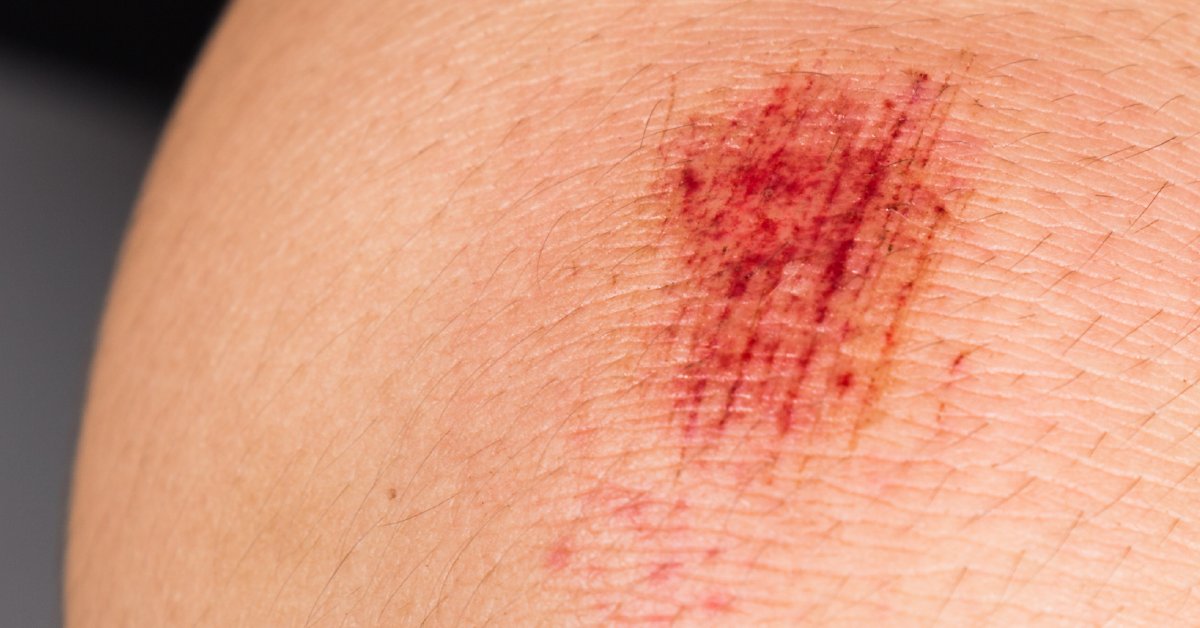
Common Wound Care Myths Debunked: Hydrogen Peroxide and Alcohol Can Hinder Healing
November 24, 2025 – Medical professionals are urging the public to rethink traditional methods for treating minor injuries, highlighting that everyday household remedies like hydrogen peroxide and rubbing alcohol may do more harm than good. While these substances have long been staples in home first aid kits, new evidence underscores that they can actually damage healthy cells, slow healing, and increase the risk of infection when used improperly.
The Enduring Myth of “Clean Until It Burns”
For generations, the idea that a wound must "sting to be clean" drove common wound care practices. Parents and caregivers routinely reached for hydrogen peroxide or isopropyl alcohol, believing their bubbling and burning effects were signs of effectiveness. However, medical experts now clarify that the reaction caused by these antiseptics signals oxidative stress — effectively the destruction of healthy tissue surrounding the wound.
Hydrogen peroxide releases oxygen free radicals on contact with skin, which helps kill bacteria but also harms fibroblasts — the essential cells responsible for generating new tissue and collagen. Rubbing alcohol, typically containing 70 percent isopropyl alcohol, functions in a similar way: it denatures proteins, destroying both harmful microbes and the body’s own protective cells. Together, their harsh action can delay natural wound closure, prolong inflammation, and elevate the risk of scarring.
Evidence-Based First Aid: How Science Changed the Approach
The shift in wound care recommendations began decades ago, but misconceptions persist. In the 1990s, research comparing healing under “dry” and “moist” conditions showed conclusively that wounds kept slightly moist heal up to 50 percent faster. This finding overturned the long-standing belief that airing out wounds encouraged healing. Instead, studies demonstrated that exposure to air dries out the wound bed, forming a hard scab that slows the regrowth of new skin.
Current medical guidelines focus on gentle cleansing rather than chemical disinfection. The recommended method is simple: rinse minor wounds under cool running water for several minutes to remove debris, using mild soap if necessary. The goal is to clean the wound without destroying new tissue. After washing, the wound should be patted dry with a sterile cloth and protected with a thin layer of antibiotic ointment or petroleum jelly to maintain moisture.
The Importance of Proper Wound Coverage
Keeping a wound covered, rather than exposed, is critical for recovery. A moist, protected environment encourages cell migration across the wound bed and reduces the risk of infection from environmental irritants. Bandages or sterile adhesive strips act as physical barriers, guarding against dust, friction, and bacterial contamination.
Health experts recommend changing dressings once or twice daily, depending on the level of drainage. When removing a bandage, it is important to do so gently to prevent tearing of newly formed tissue. If the bandage adheres to the wound, loosening it under warm water minimizes discomfort and prevents reopening the injury.
For deeper cuts that cannot stay closed on their own, adhesive wound-closure strips may help stabilize the area. These should be applied perpendicular to the length of the wound, pulling the edges together without excessive tension.
Avoiding Common Home Remedies That Delay Recovery
Many home remedies have persisted through cultural transmission and misinformation rather than clinical evidence. Substances like hydrogen peroxide, iodine, and even natural oils or butter on burns remain popular despite warnings from medical authorities.
Burn treatment, for instance, often suffers from misunderstanding. Experts emphasize that applying ice or greasy substances can worsen damage by trapping heat or restricting blood flow. The most effective first step for a burn is to run cool water over it until the pain decreases, then loosely cover it with a sterile, non-stick bandage to keep contaminants away.
Similarly, for cuts and scrapes, avoiding powders, herbal tinctures, or heavily fragranced ointments reduces the chance of irritation and allergic reactions. Simplicity and cleanliness remain the top priorities in evidence-based wound care.
Understanding How the Body Heals
The human body has an extraordinary capacity to heal itself, provided that its natural processes are supported rather than hindered. Wound healing occurs in stages—hemostasis, inflammation, proliferation, and remodeling. Each phase depends on intricate cellular communication and tissue regeneration.
When hydrogen peroxide or alcohol disrupts these processes, healing slows and sometimes reverses. Fibroblasts, keratinocytes, and immune cells must coordinate to repair damage. If their structure is compromised, new tissue forms unevenly, leading to scarring or infection. Medical studies show that damaged tissue triggers longer inflammation, keeping the wound red, swollen, and tender far beyond normal recovery periods.
The Economic and Health Burden of Poor Wound Care
While a minor cut might seem trivial, poor wound management has measurable economic consequences. Each year, millions of people seek medical attention for preventable wound complications such as cellulitis or delayed healing. These issues collectively cost health systems billions in care expenses.
In community settings, especially among older adults, neglected minor wounds can escalate into chronic ulcers requiring prolonged treatment. The burden on healthcare infrastructure — including hospitalizations, medications, and nursing services — is significant. Preventive education, therefore, plays a key role in public health, emphasizing how basic, proper wound care at home can reduce medical costs and complications in the long term.
Workplace safety organizations have also highlighted the importance of first aid accuracy, noting that employees frequently use outdated methods in response to cuts or scrapes sustained on the job. Updating these practices contributes not only to individual well-being but also to productivity and reduced recovery time from minor injuries.
Comparing Regional and Global Practices
Different regions around the world take varying approaches to wound care, influenced by local traditions, medical education, and access to healthcare products. In Western nations, the transition toward modern wound management began with the rise of evidence-based medicine and sterilization standards in the late 19th century. In contrast, some communities in rural or under-resourced areas still rely heavily on traditional remedies, often combining antiseptics with herbal concoctions.
In Europe, public health campaigns have successfully reduced the reliance on hydrogen peroxide by promoting the use of saline wound irrigation and hydrogel dressings. In Asia and parts of Africa, public health programs led by non-government organizations are focusing on education campaigns to dispel myths surrounding alcohol and iodine use.
Learning from these regional approaches underscores the importance of public outreach. Awareness campaigns can drive behavior change more effectively than issuing clinical guidelines alone, as they reshape deeply ingrained cultural habits.
When to Seek Medical Care
While most minor wounds can heal safely at home, some require professional evaluation. Signs that a wound may need medical attention include persistent pain, redness that spreads beyond the wound, pus or discharge, or swelling that worsens after two days. Wounds caused by animal bites, rusty objects, or deep punctures pose a heightened risk of tetanus and infection.
Medical professionals advise that anyone with diabetes, compromised immune systems, or circulatory issues should take extra precautions and consult healthcare providers promptly for even small injuries. Early treatment can prevent long-term complications.
Moving Forward: Encouraging Better First Aid Habits
Public health educators stress that mythbusting alone is not enough; consistent reinforcement through schools, workplaces, and media plays a crucial role in reshaping public understanding. As misinformation spreads online, especially through social platforms, clear communication about safe, modern wound care becomes essential.
Hospitals and first aid organizations now emphasize preventive education through community workshops and digital outreach. Teaching families and young people how to clean and cover wounds properly fosters healthier outcomes and reduces dependence on outdated, potentially harmful remedies.
A Safer, Simpler Approach to Healing
The consensus among medical professionals is clear: effective wound care hinges on simplicity and gentleness. Hydrogen peroxide and alcohol, once thought indispensable, have been replaced by safer, scientifically supported methods. Clean water, mild soap, moisture-retaining dressings, and careful protection from infection provide the foundation for faster, less painful recovery.
By dispelling old myths and embracing new knowledge, individuals can trust their bodies’ natural ability to heal — without the sting of outdated habits.