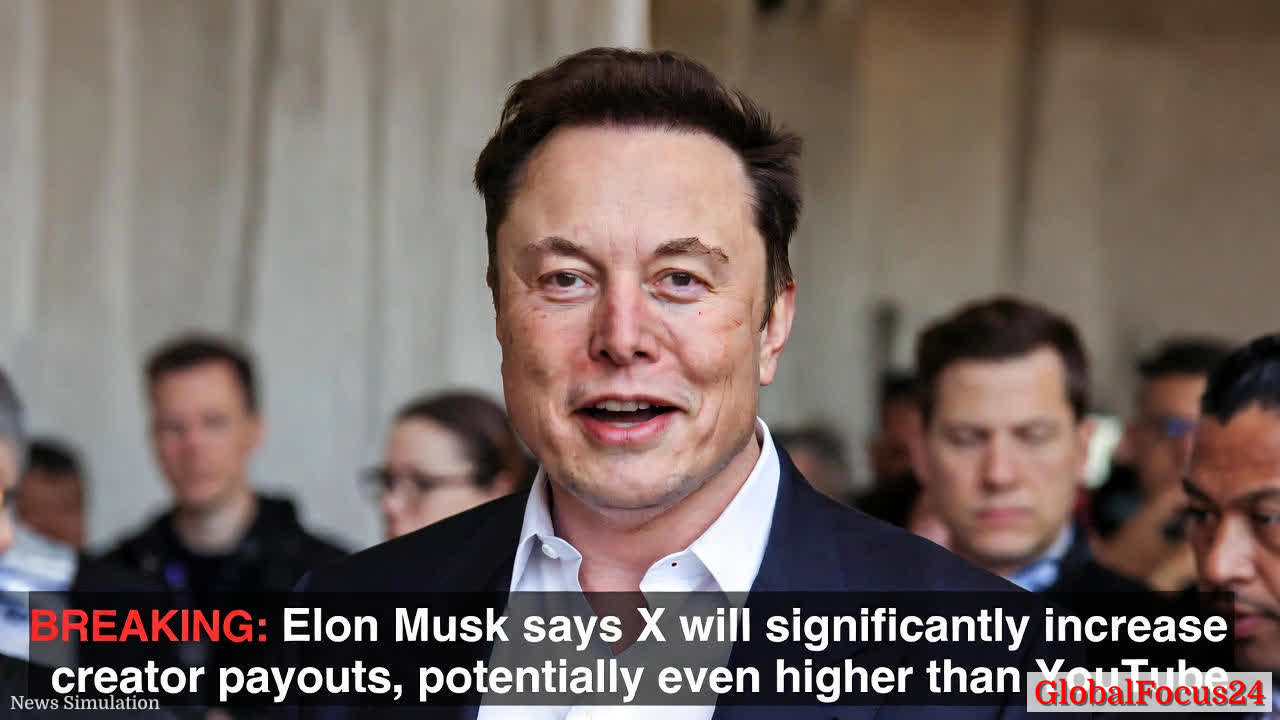
Elon Musk Announces Major Increase in Creator Payouts: A New Era for Content monetization
In a move that could reshape the digital content landscape, Elon Musk announced a substantial increase in creator payouts, signaling a new push to reward authentic, high-quality contributions on his platform. The decision arrives amid intense competition from AI-driven content production and growing scrutiny of how online platforms monetize user-generated material. As creators and investors weigh the implications, industry analysts are watching closely to gauge whether the enhanced payouts will translate into a durable competitive advantage and, more broadly, how this shift might influence the economics of online media.
A historical context for creator monetization helps illuminate the significance of Musk’s pledge. For well over a decade, platform-driven revenue sharing has been a central lever in attracting and retaining content creators. Early models rewarded scale: the more views and engagement a video or post generated, the more a creator could earn. Over time, marketplaces for attention grew crowded, and compensation mechanisms evolved to include subscriptions, tipping, and direct fan support. Yet many creators reported that the marginal value of content, particularly nascent or niche material, remained uncertain. The proposed payout increase thus taps into a longstanding demand for more predictable, fair, and meaningful compensation that aligns incentives with sustained quality.
Economically, the potential impact is multifaceted. First, higher payouts can directly improve creators’ cash flow, enabling longer production cycles, higher production values, and more ambitious projects. In turn, this could elevate user engagement, increase time spent on the platform, and attract new audiences who crave deeper, well-produced content. On the supply side, a more generous revenue-sharing model may encourage a broader range of creators to migrate from competing platforms or experiment with independent publishing. In the medium term, that could compress the cost of customer acquisition for the platform and improve retention metrics as creators rely more on a single ecosystem for monetization.
However, the economic ripple effects extend beyond the creator economy. Advertisers often follow audience attention, and as content quality improves, advertisers may be drawn to higher-quality inventory. This can lead to a virtuous cycle: stronger creator earnings raise content standards, which in turn boosts audience engagement and advertiser demand. Yet this dynamic also introduces potential inflationary pressure on the platform’s monetization architecture. If payouts increase without a commensurate rise in revenue streams, platform margins could tighten. Stakeholders will watch for how the platform balances sustainable earnings with generous creator compensation.
Regional comparisons offer useful context. In North America and Western Europe, large-scale digital platforms have long experimented with varying monetization models, from ad-supported revenue to subscription-driven ecosystems and creator-centric incentives. Some markets with more mature creator ecosystems already feature robust tiered monetization, fan-supported models, and cross-platform syndication. If the platform’s payout uplift is globally scalable, it may narrow regional disparities in creator earnings, enabling talent from emerging markets to compete on a more level playing field. Conversely, if payouts are constrained by local regulatory environments or currency fluctuations, regional gaps could persist, potentially prompting creators to diversify across platforms or geographies.
Audience and creator sentiment remains a critical factor. For many users, the promise of higher payouts translates into more rigorous quality standards, as creators invest in research, production design, and storytelling technique. Public reaction in early-adopter communities suggests a mix of optimism and cautiousness: excitement about greater recognition and financial stability paired with concern about potential abuses or gaming of the system. The platform’s stated intention to enforce fairness and curb exploitation will be closely scrutinized by users, creators, and regulators alike. Transparent guidelines, verifiable metrics, and robust abuse-prevention mechanisms will be essential to maintaining trust during this transitional period.
From a technical perspective, the payout model’s design will influence how creators allocate resources. A payout structure anchored in objective performance signals—such as engagement duration, completion rates, and authenticity markers—can help align incentives with long-term value. In contrast, payout schemes overly dependent on short-term metrics may incentivize click-driven content at the expense of depth. The platform has indicated a commitment to rigorous enforcement against gaming the system, a stance that, if implemented effectively, could foster a healthier content ecosystem and reduce the volatility many creators experience with sudden algorithm shifts.
Historical comparisons within the tech industry reveal a pattern: when platforms relocate revenue-sharing emphasis toward creators, there is often a short-term surge in content quantity, followed by strategic refinements as the model matures. This means the initial phase may feature rapid experimentation as creators test new formats and topics that previously varied in profitability. Over time, adaptation is likely to produce a more stable mix of high-quality content and reliable earnings. Observers will be watching for a balance between imaginative, risky content and sustainable, repeatable formats that serve long-tail audiences as well as mass markets.
Regional market impact also hinges on regulatory landscapes. Tax implications, labor classifications, and consumer protection norms can shape how payout increases are implemented across jurisdictions. In some regions, creators may face higher tax burdens or face platform-imposed constraints on earnings distributions. The platform’s approach to compliance, including transparent reporting and clear eligibility criteria, will be critical to maintaining regulatory alignment and ensuring that creators can plan their income with confidence. Policymakers, in turn, may monitor how these changes affect competition, platform neutrality, and the broader digital economy.
Content quality and storytelling trends are likely to evolve in response to greater creator compensation. As producers invest more in pre-production, script development, and post-production editing, audiences can expect enhanced narrative coherence, better visual aesthetics, and more nuanced exploration of complex topics. This could broaden the platform’s reach beyond traditional enthusiasts to casual viewers seeking more immersive experiences. The resulting diversification of the audience base may also influence downstream revenue opportunities, including sponsorships, brand partnerships, and affiliate programs, creating additional value for creators and the platform alike.
In crafting a forward-looking assessment, it’s important to acknowledge potential risks. A more generous payout framework must be supported by scalable infrastructure, fraud prevention, and rigorous content moderation to prevent abuse. If not managed carefully, elevated payouts could attract bad-faith actors seeking to exploit the system, undermine trust, or saturate feeds with low-quality or misleading content. The platform’s investment in verification processes, community guidelines, and automated monitoring will be critical to preserving a healthy ecosystem as earnings rise. Stakeholders will also monitor how changes affect smaller creators versus established names, ensuring that opportunities are distributed equitably and that newcomers can still break through.
Industry analysts are also weighing the broader strategic implications. A major question centers on how sustainable the payout increase is relative to the platform’s revenue trajectory. If the uplift is coupled with increasing monetization channels—such as exclusive creator tools, premium memberships, or enhanced creator support services—the model could be more resilient to fluctuations in advertising demand or macroeconomic headwinds. On the other hand, if payouts outpace revenue growth, the platform may need to implement gradual ramp-ups, performance-based milestones, or tiered compensation to maintain financial health while preserving incentives for creators.
Ultimately, the announcement signals a shift toward a more creator-centric monetization paradigm. For audiences, this could translate into more ambitious content, deeper engagement, and a stronger sense of community around creators who invest time and resources into their work. For the platform, the move represents a strategic bet on differentiating itself through creator equity and quality assurance, potentially altering how the competitive landscape evolves in the coming years. The balance between generosity to creators and responsible stewardship of platform economics will shape perceptions of long-term viability and influence investor confidence.
As the digital content economy continues to mature, the stakes for platforms, creators, and advertisers remain high. The trajectory of creator payouts will be watched not only for immediate financial effects but also for how it reshapes content culture, talent mobility, and regional momentum across global markets. The coming months are likely to reveal how this major payout increase translates into real-world outcomes: richer storytelling, stronger creator ecosystems, and a renewed sense of purpose among those who produce the media that audiences consume every day.