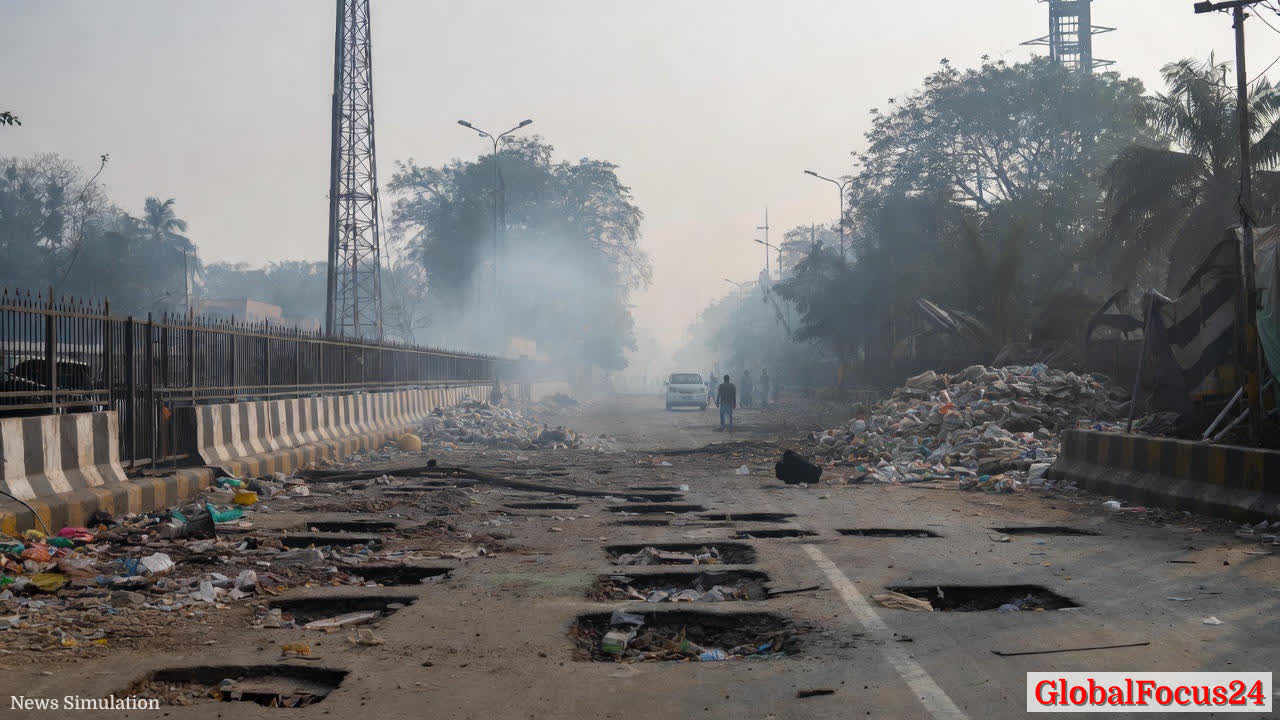
Toxic Air, Broken Roads, and Unpicked Rubbish Plague Major Cities
Urban centers around the world are contending with a trifecta of escalating challenges: toxic air quality, deteriorating road infrastructure, and growing piles of uncollected waste. This convergence of environmental, logistical, and governance pressures is reshaping how residents experience city life, influencing everything from daily commutes to long-term investment decisions. While thes sometimes emphasize dramatic climate events or sudden policy shifts, the deeper story is about the pace of urbanization outstripping the institutions designed to manage it. The result is a quiet but persistent erosion of liveability in many of the world’s largest urban areas.
Historical context: cities growing faster than governance can adapt Cities have long been engines of economic opportunity, drawing people with the promise of jobs, services, and cultural life. In the latter half of the 20th century and into the early 21st, rapid industrialization and global migration accelerated urban population growth in ways that often outpaced municipal capacity. Infrastructure planning cycles—spanning several years, even decades—clash with the speed of demographic shifts. As a consequence, many urban environments inherited aging utilities, congested road networks, and overwhelmed waste management systems.
The current wave of challenges is not merely a byproduct of aging infrastructure; it reflects a broader recalibration of urban life. Cities that once relied on centralized, predictable growth now navigate volatile variables: escalating construction costs, supply chain disruptions, and increased demand for public services during climate-related extremes. The result is a landscape where air quality can deteriorate swiftly during temperature inversions or heat waves, roads buckle under traffic and weather, and waste collection schedules are strained by labor shortages and fiscal constraints.
Air quality: health, economy, and resilience in the crosshairs Toxic air remains a defining urban dilemma. In many major cities, pollutants from transportation, industry, and construction accumulate in the atmosphere, triggering alerts and driving behavioral changes as residents limit outdoor activity. The health implications are well-documented: respiratory and cardiovascular stress, increased emergency room visits, and longer-term risks that burden healthcare systems and reduce workforce productivity. Local economies feel the ripple effects as businesses experience higher absenteeism, reduced consumer spending during degraded air periods, and increased operating costs associated with air quality management technologies and monitoring programs.
Comparative regional patterns reveal parallels and divergences. Coastal megacities with dense traffic networks and large industrial bases often report higher particulate matter (PM) exposure on days when meteorological conditions trap pollutants near the surface. Inland urban centers with growing manufacturing sectors may see spikes tied to domestic energy use and seasonal air stagnation. Yet several mid-sized regional capitals have demonstrated measurable improvements where cities invest in comprehensive air monitoring networks, promote public transit, and deploy green infrastructure that captures airborne pollutants. The lesson across regions is clear: targeted interventions that reduce combustion-related emissions and increase air exchange in neighborhoods yield tangible health and economic benefits over time.
Road networks: pavement, potholes, and productivity Road quality is a litmus test for a city’s operational efficiency. When potholes proliferate and road surfaces degrade, travel times extend, vehicle maintenance costs rise, and freight movements become less predictable. These dynamics ripple through local economies, influencing everything from daily commutes to logistics for small businesses and large manufacturers. The public sector responds with a mix of quick-patch repairs and longer-term investments in pavement management, transit-oriented development, and intelligent transportation systems. In some cases, municipalities have adopted asset management frameworks that prioritize funding based on road condition, traffic volume, and strategic importance to regional economies.
However, the scale of recent urban congestion presents unique challenges. Budgetary constraints, competing priorities, and delays in project delivery can leave critical corridors in a state of perpetual decline. The economic impact extends beyond rougher rides; it includes diverted private investment, as risk-averse firms weigh the reliability of the local operating environment. A renewed focus on preventive maintenance, data-driven planning, and transparent budgeting can mitigate these effects, but it requires sustained political will and community backing.
Waste management: collection gaps and environmental spillovers Uncollected rubbish disrupts neighborhoods, alters street aesthetics, and creates environmental exposure risks. Accumulations attract vermin, generate odors, and contribute to local air and soil contamination when waste sits uncollected in heat or rain. The economic costs are multifaceted: increased municipal cleaning expenses, higher landfill or recycling processing fees, and potential penalties for missed collection targets that can affect credit ratings and grant eligibility. Moreover, visible waste burdens public perception of city efficiency and safety, which can influence tourism, business confidence, and resident satisfaction.
Many cities have responded with integrated waste strategies that combine regular curbside collections, expanded recycling and composting programs, and community engagement campaigns to modify consumption patterns. Some approaches emphasize micro-composting hubs in dense neighborhoods, while others focus on innovative logistics like route optimization and privatization models that incentivize timely pickups. While these reforms can yield cleaner streets and lower emissions from waste transport, their success hinges on reliable labor, effective fleet management, and sustained funding.
Regional comparisons: different trajectories, shared pressures Despite geographical and economic diversity, several common threads link major cities facing these triad challenges. First, governance quality and institutional capacity consistently correlate with how well a city responds. Places with cohesive metropolitan planning organizations, transparent budgeting, and accountable service delivery tend to manage pollution, road conditions, and waste more effectively. Second, investment timing matters. Regions that front-load investments in green infrastructure, smart mobility, and waste-to-energy or recycling networks tend to experience smaller long-term costs and faster phasing in of cleaner urban environments. Third, public engagement and trust play a crucial role. When residents understand local priorities and feel heard, programs—ranging from congestion pricing to expanded recycling—often achieve higher participation and better outcomes.
Economic impact: productivity, competitiveness, and urban revival Environmental and infrastructural deterioration can dampen a city’s economic prospects. Businesses weigh the reliability of supply chains, the cost of doing business, and the quality of life when deciding where to locate or expand. In turn, economic dynamics influence funding choices: stronger tax bases from healthy job growth enable more ambitious infrastructure plans, while persistent liveability challenges can erode investor confidence and place greater burden on public finances.
Yet there is a countervailing narrative. Cities that align environmental health with economic incentives—investing in clean transit, energy-efficient buildings, and waste minimization—often spark new industries and job growth. Public-private partnerships, federal or regional grants, and climate resilience funding can accelerate improvements while distributing risk. The economic takeaway is pragmatic: improving air quality, road reliability, and waste management is not a mere public health endeavor; it is a strategic investment in a city’s future competitiveness.
Public reaction and adaptive strategies Residents frequently respond to deteriorating urban conditions with a mix of frustration and resilience. Community organizations push for faster pothole repairs, more frequent waste collection, and stricter emission controls. In some cities, public demonstrations and heightened media scrutiny propel politicians to accelerate reforms. In others, the absence of decisive leadership translates into slower progress, reinforcing a perception that the city is losing its edge.
Adaptive strategies across regions show promise. Some cities have adopted expanded low-emission zones, encouraging cleaner transport modes and restricting high-puel emissions in dense neighborhoods. Others have implemented data-driven maintenance programs that continuously monitor road surfaces and adjust funding in near real time. Waste programs increasingly emphasize waste diversion targets, with incentives for households and businesses to reduce, reuse, and recycle. Climate resilience planning integrates air quality improvement with broader energy and transport strategies, ensuring that gains in one area reinforce progress in others.
Synthesis: a roadmap for sustainable urban liveability To address the intertwined challenges of toxic air, failing roads, and unpicked rubbish, cities can pursue a multi-pronged strategy anchored in data, funding, and community engagement:
- Data-driven governance: establish and maintain comprehensive monitoring dashboards for air quality, road conditions, and waste collection performance. Use real-time data to adjust resources, inform residents, and guide policy.
- Integrated transportation and infrastructure investment: prioritize transit-oriented development, electrification of fleets, and proactive road maintenance. Align capital programs with anticipated population growth and industry needs.
- Circular economy and waste resilience: expand recycling, composting, and waste-to-energy options where appropriate. Promote public awareness campaigns and incentives to reduce waste generation and improve sorting at the source.
- Climate resilience: design urban spaces to withstand heat, pollution, and extreme weather. Increase green spaces, promote cooling strategies, and ensure urban canopies minimize pollution exposure.
The aim is not a quick fix but a sustainable transformation. That means steady, transparent progress across multiple fronts, with clear metrics and accountable leadership. When cities demonstrate that they can reduce exposure to pollutants, maintain essential corridors for commerce, and keep neighborhoods clean, they reinforce confidence among residents, investors, and visitors alike.
Conclusion: navigating urban pressures with purpose The convergence of toxic air, deteriorating road infrastructure, and growing waste backlogs signals a critical moment for major cities. It is not solely a health or environmental issue; it is a test of urban governance, economic resilience, and the ability to plan for a future that demands both livability and productivity. As urban populations continue to expand, the imperative to act with urgency becomes clearer. Cities that pair robust data governance with inclusive, long-term planning stand the best chance of reversing unfavorable trends and restoring the urban vitality that has long attracted people and investment around the globe.