China's Electrification Surge: A 10,000 TWh Benchmark Reshapes Global Power Dynamics
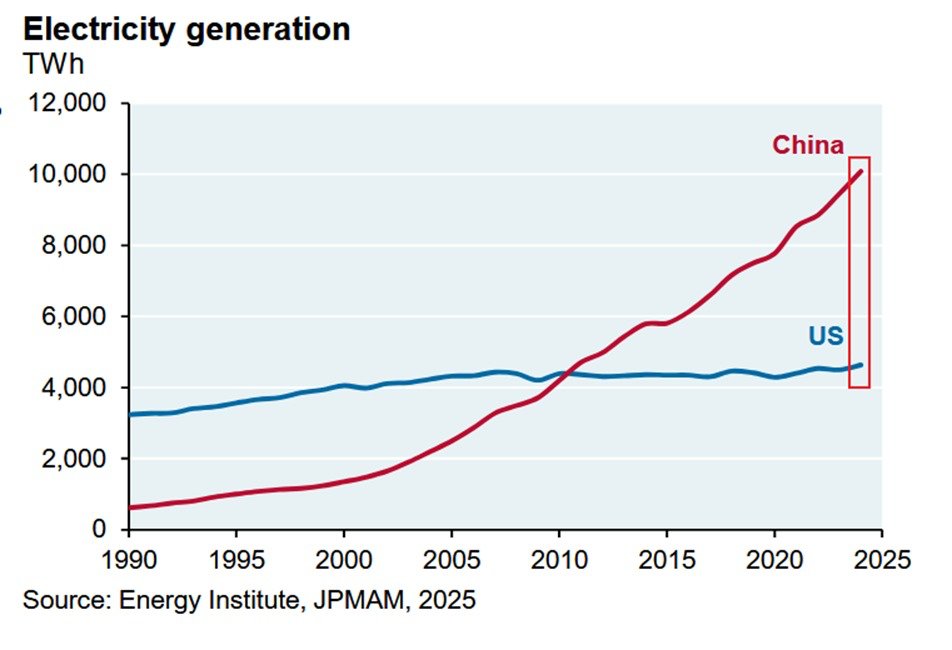
In a landmark achievement for the global energy landscape, China reached a record 10,000 terawatt-hours of annual electricity generation, underscoring a dramatic shift in regional power production and consumption. This milestone positions China far ahead of the United States, which generates approximately 4,500 TWh annually, according to recent industry assessments. The widening gap highlights not only technical prowess and scale but also the long arc of policy, investment, and industrial demand that has propelled China to the forefront of global electricity output.
Historical context: rapid buildout and policy continuity
China’s ascent in electricity generation began in earnest in the early 2000s, coinciding with aggressive national plans to expand manufacturing capacity, improve living standards, and urbanize at scale. Over the past decade, a concerted push toward diversified energy sources—ranging from coal and hydro to wind, solar, and nuclear—supported expansive grid development and resource allocation. This historical trajectory, marked by sustained capital investment and centralized planning, has enabled annual power production to ascend from earlier levels to today’s record figures, reflecting both the maturation of energy infrastructure and the country’s expanding industrial base. The broader pattern of industrial policy in China—emphasizing electrification of transport, high-tech manufacturing, and urban infrastructure—has reinforced demand for reliable, scalable electricity. This context helps explain why the country could eclipse traditional electricity leaders and sustain growth across multiple energy sectors.
Economic impact: energy as a multiplier for growth and resilience
The electricity generation surge acts as a powerful economic multiplier. A larger, more reliable power supply reduces production bottlenecks for heavy industries, shortens downtime, and supports export-oriented sectors that rely on efficient manufacturing ecosystems. In parallel, the expansion of clean energy capacity—particularly wind and solar—contributes to long-term cost stability, lowering marginal energy expenses for downstream industries and households alike. This dynamic supports more predictable budgeting for energy-intensive sectors such as steel, chemicals, and electronics, while also enabling broader adoption of energy-intensive technologies, including data centers and automated manufacturing facilities. The economic footprint extends beyond direct generation; ancillary industries—grid management, transmission corridors, and energy storage—create jobs and foster innovation ecosystems that can attract investment, technology transfer, and talent.
Regional comparisons: how China’s path contrasts with peers
China’s electricity growth stands in sharp relief against other major markets. In the United States, electricity generation has historically relied on a mix of natural gas, coal, and renewables complemented by a highly distributed industrial base. While the United States remains a global leader in energy innovation and efficiency, its annual generation has grown at a slower pace in recent years, reflecting different policy timelines, regulatory environments, and structural economic shifts. Europe has faced stagnation or modest declines in some years due to energy efficiency gains, changing industrial activity, and the transition away from high-emission power sources. In contrast, China’s integrated approach—combining large-scale coal capacity with rapid deployment of wind, solar, hydro, and nuclear—has created a higher overall generation capacity and a more aggressive expansion rhythm. This divergence underscores how policy design, financing mechanisms, and urbanization tempo influence national electricity footprints, with China’s model illustrating the potential for rapid electricity accumulation when demand drives vast capital expenditure and grid modernization.
Technical dimensions: the energy mix and grid resilience
The scale of China’s generation reflects a broad energy mix that includes fossil fuels, hydro, wind, solar, and nuclear elements. The expansion of transmission networks, including ultra-high-voltage lines, enables efficient delivery of electricity from regional generation hubs to densely populated coastal cities and manufacturing corridors. As the country adds renewables to the portfolio, the challenge shifts toward maintaining grid reliability and accommodating intermittent generation, which in turn fuels investments in storage technologies, demand-response programs, and smarter grid management. The evolving mix also has implications for air quality, energy security, and long-term decarbonization, as planners balance the need for affordable power with climate objectives and environmental safeguards. In practice, these technical considerations shape the pace and direction of ongoing upgrades to grid infrastructure, storage capabilities, and diversification of energy sources.
Public sentiment and regional impact: response to a power-centric growth model
Public reaction to the electricity expansion has been multifaceted. On one hand, residents and businesses benefit from reliable power supply, improved quality of life, and greater industrial activity. On the other hand, concerns persist about environmental impacts, local air quality in coal-dependent regions, and the social implications of rapid urbanization and industrial growth. Municipalities large and small have engaged in planning efforts to harmonize energy expansion with housing, transportation, and public services, aiming to balance economic vitality with livability. As energy systems evolve, communities are observing how shifts toward cleaner generation—like wind and solar—complement traditional baseload capacity, potentially reducing emissions while maintaining grid stability.
Policy continuity and investment signals: indicators of a long-term energy strategy
A key driver behind China’s 10,000 TWh milestone is sustained, policy-driven investment. Long-term plans that emphasize electrification, industrial upgrading, and rural-urban integration create an environment where energy demand can grow consistently over time. The financial architecture supporting these projects—state-backed financing, policy incentives, and public-private partnerships—has lowered marginal costs of large-scale generation and transmission. The result is a cumulative effect: robust project pipelines, accelerated commissioning of new capacity, and a feedback loop where economic activity stimulates higher electricity demand, which in turn justifies further expansion of generation and grid assets. This policy framework not only accelerates growth but also signals to global markets the importance of energy infrastructure as a cornerstone of national development strategy.
Supply chains, energy security, and global implications
China’s electricity milestone also resonates beyond its borders. A growing self-sufficiency in power supports manufacturing and export capacity, with supply chains adapting to the needs of a high-output energy economy. For other countries, the development underscores the importance of securing reliable electricity as a foundation for growth, resilience, and competitiveness in a globalized economy. As energy systems become more interconnected, regional electricity markets and cross-border transmission projects may gain prominence, enabling collaborative approaches to balancing supply, demand, and price stability. The expansion also raises considerations for global climate commitments, as national electricity mixes influence carbon intensity, regional air quality, and the pace of decarbonization across industries.
Looking ahead: trends shaping the next phase of electricity growth
The trajectory suggests several key developments. First, continued investment in renewable generation paired with storage technologies is likely to improve grid flexibility and resilience, enabling higher penetration of wind and solar without compromising reliability. Second, advancements in transmission efficiency and grid management will reduce energy losses and enhance the capacity to meet rising demand in urban centers and industrial hubs. Third, demand-side measures—energy efficiency programs, industrial modernization, and electrification of transportation—will shape the pace of future growth, potentially dampening energy intensity as economies become more efficient without sacrificing output. Taken together, these trends point to a future in which electricity becomes an even more central pillar of economic strategy, environmental policy, and social well-being.
Regional echoes and comparative takeaways for policymakers
For policymakers in other regions, the Chinese experience offers several lessons. The importance of a coherent, long-range energy plan that coordinates generation, transmission, and storage can unlock high levels of electrification while maintaining grid reliability. Equally critical is the alignment of energy policy with industrial strategy, ensuring that electricity capacity supports domestic manufacturing and export competitiveness. Regions with ambitious decarbonization goals can draw on China’s emphasis on diversifying the energy mix, investing in transmission upgrades, and deploying smart grid technologies to manage variability. At the same time, observers should weigh environmental safeguards, local community impacts, and the social costs of large-scale infrastructure projects when modeling their own energy futures.
Conclusion: a landmark milestone with wide-ranging implications
The record 10,000 TWh of annual electricity generation signals a watershed moment in the global energy narrative. It reflects decades of cumulative investments, policy direction, and industrial momentum that have reshaped how power is produced, transmitted, and consumed. As the world observes China’s ongoing evolution toward greater electrification, the implications will continue to unfold across markets, technology development, and regional energy governance. This milestone is not just a numerical achievement; it signals the growing centrality of electricity in modern economies and the enduring importance of strategic planning to harness its full potential for growth, resilience, and sustainable development.