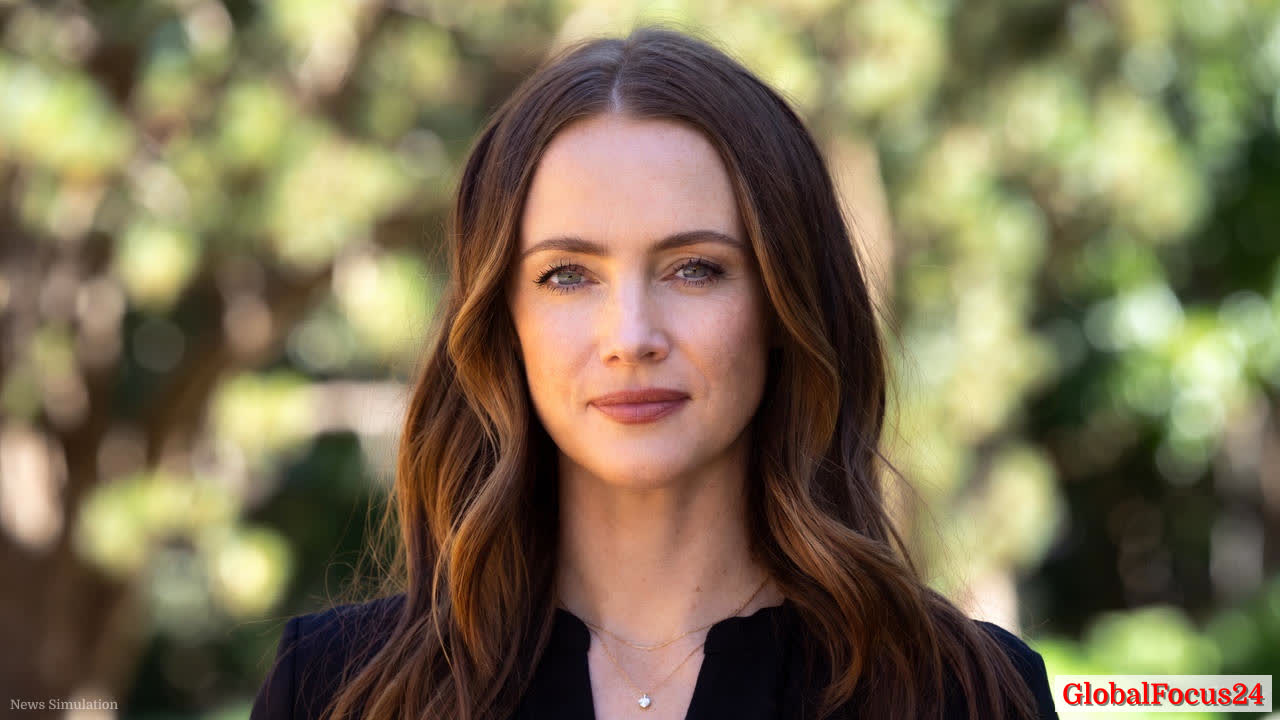
Australian Actress Rachael Carpani Dies at 45: A Look at Her Career, Legacy, and Cultural Impact
In a somber update shapings across entertainment and regional media, Australian actress Rachael Carpani has died at the age of 45. Her family confirmed the news, saying she passed away peacefully on December 7 after a prolonged struggle with chronic illness. The actor, who rose to fame on television screens around the world, leaves behind a legacy rooted in iconic Australian storytelling, a distinctive on-screen presence, and a body of work that bridged local series and international projects.
A career built on a defining Australian series
Rachael Carpani rose to prominence with McLeod’s Daughters, the beloved Australian drama that ran for eight seasons from 2001 to 2009. The show, set against the rural landscapes of the Southern Highlands, blended family dynamics, farming life, and small-town conflict into a form of storytelling that resonated with audiences both in Australia and overseas. Carpani’s portrayal of Jodi Fountain became a touchstone for a generation of viewers who saw in her character a blend of resilience, warmth, and grit. As the series gained traction internationally, Carpani became one of the faces most closely associated with Australian television during the early 2000s, contributing to a broader global interest in Australian-produced dramas that centered strong, multi-dimensional female leads.
Beyond McLeod’s Daughters, Carpani expanded her reach into a diverse slate of roles that demonstrated her range and adaptability as an actor. Her filmography includes appearances in popular American television cuando, with credits on high-profile programs in the United States. She appeared on NCIS: Los Angeles, where she joined a long-standing ensemble and delivered performances that blended the procedural framework with character-driven moments. In The Glades, a drama series known for its thriller and procedural elements, Carpani demonstrated an ability to navigate tense scenes with authenticity. Her work on Lifetime’s Against the Wall further showcased her capacity to inhabit complex roles within intense narrative environments. These roles collectively reflect a trajectory from regional Australian television to broader international platforms, illustrating the permeability of television markets in the 2000s and 2010s as streaming and global distribution expanded opportunities for actors across continents.
Historical context: Australian television on the global stage
Carpani’s rise coincided with a period of rapid globalization in television, where Australian productions benefited from expanding distribution channels and increasingly fluid transnational audiences. In the early 2000s, Australian television studios invested in high-production-value dramas with distinctive settings—rural landscapes, coastal towns, and urban spaces—that offered a fresh visual language for international viewers. McLeod’s Daughters became a cultural touchstone not only for its narrative arcs but also for its setting, which highlighted Aboriginal and rural Australian life while centering personal stories of families navigating change. The show’s international syndication helped catalyze interest in Australian actors and creators, contributing to the globalization of Australian media talent. Carpani’s subsequent appearances on American television helped to illustrate the import of cross-border casting in modern TV economies, where streaming platforms and global networks encouraged collaborations across borders.
Economic impact: from local productions to international ventures
The career arc of Rachael Carpani mirrors broader economic patterns in the entertainment industry. Australian productions historically faced higher production costs but benefited from favorable tax incentives, skilled audiovisual infrastructure, and a proven track record of exporting talent to overseas markets. When actors like Carpani transition from locally produced hits to international series, they contribute to several layers of economic impact:
- Talent mobility and labor markets: International casting expands job opportunities for actors and stimulates demand for agents, managers, and casting professionals who operate across borders. Carpani’s move from McLeod’s Daughters to American television projects exemplifies how actors can leverage recognizable national brands to secure roles in global markets.
- Export of cultural capital: Successful actors and series serve as cultural ambassadors, enhancing a country’s soft power and attracting ancillary investments in tourism, media production, and education. The global fan base for iconic shows often translates into increased attention to Australian locales, studios, and creative ecosystems.
- Revenue cycles and distribution: Internationalized projects generate varied revenue streams, including licensing deals, streaming rights, and merchandising. Actors who appear in internationally distributed programs help to maximize the value of these assets, contributing to longer-tail earnings and continued market relevance for both performers and the productions they support.
- Local industry incentives: The presence of globally recognized actors in domestic productions can help attract foreign investment, co-production opportunities, and partnerships that diversify the local economy’s media sector.
Regional comparisons: Australia’s television exports versus other markets
Australia sits within a global ecosystem of television production where several regional engines compete for talent and audiences. Comparisons with other markets illustrate both opportunities and constraints:
- North America: The United States remains the dominant market for television producers and actors, offering vast audience reach and substantial production budgets. However, Australia’s proximity to Asia-Pacific markets and its own strong storytelling tradition make it a strategic alternative for co-productions and regional distribution, particularly for dramas with rural or environmental settings.
- Europe: European co-productions have long used shared funding mechanisms and cross-border casting to create diverse content. Australian actors often participate in international projects that bridge Pacific Rim narratives with European production sensibilities, expanding both viewership and cultural exchange.
- Asia-Pacific: In this region, streaming platforms have accelerated demand for localized content that can travel across borders. Australia benefits from established distribution routes to New Zealand, Singapore, and beyond, enabling productions with globally appealing elements such as strong character-driven storytelling and high production values.
Public reaction: tributes, memories, and the lasting image of a familiar face
News of Carpani’s passing has elicited an outpouring of tributes from fans, colleagues, and cultural commentators who remember her for the intensity and warmth she brought to her roles. On social media, fans shared clips and stills from McLeod’s Daughters and other projects, underscoring the lasting imprint Carpani left on viewers who grew up watching her on television. Industry peers highlighted her professionalism, kindness, and the way she carried her characters with authenticity, contributing to a sense of collective loss within the acting community.
Health and privacy: dealing with chronic illness in the spotlight
Official statements from the Carpani family indicate that she experienced a long battle with chronic illness before her passing. The family emphasized privacy and requested no further statements beyond their initial announcement. The public discourse surrounding health challenges faced by performers is an ongoing conversation in the industry, where the demands of travel, enhanced public visibility, and the pressures of constant work can intersect with personal health concerns. While the public often views actors through the lens of their on-screen personas, Carpani’s situation reminds readers that behind the performances lie real-life experiences and health struggles that can influence career trajectories and personal lives.
A living legacy: education, charity, and ongoing influence
In addition to her screen work, Carpani’s influence extends to mentoring younger actors and engaging with charitable initiatives that reflect her values. While specific programs are not always publicly disclosed, many actors with long careers in regional cinema and television participate in scholarship programs, acting workshops, and community outreach that cultivate new talent and encourage advocacy for arts funding. Carpani’s influence within Australian cinema and television continues to inspire emerging performers who view her career as a blueprint for navigating domestic success and international opportunities.
Personal milestones and moments of resonance
Publicly available information reveals moments of personal resonance that fans often remember. For instance, Carpani’s social media posts celebrating her family, including messages on her mother’s birthday, offered glimpses into the personal side of a performer who maintained a connection with loved ones amid a demanding schedule. While these posts are a small facet of her public life, they contribute to a fuller portrait of an artist who balanced professional commitments with meaningful family moments.
Looking ahead: how the industry might honor Carpani’s contributions
As the entertainment industry processes the loss of a familiar talent, several pathways often emerge for honoring a prominent figure like Carpani:
- Archival retrospectives: Networks and streaming platforms frequently curate commemorative collections that highlight an actor’s body of work, offering new audiences a curated view of standout performances.
- Scholarships and charitable initiatives: Foundations associated with the arts may establish or fund scholarships in Carpani’s name, supporting aspiring actors who reflect the values she championed throughout her career.
- Memorial events and industry remembrance: Professional organizations and fan communities commonly host tribute gatherings or online memorials that celebrate the actor’s impact and memories shared by colleagues and fans alike.
Contextual note on media framing and responsible reporting
In reporting the death of a public figure, journalists balance respect for the family with the need to inform the public about the person’s life and contributions. Fair, accurate, and compassionate coverage helps preserve the dignity of the individual while providing readers with a clear sense of the person’s professional trajectory and cultural significance. The coverage reflects a broader commitment to transparent reporting that centers on verified information, acknowledges health-related considerations, and avoids sensationalism.
Conclusion: a career that reflected Australian storytelling on a global stage
Rachael Carpani’s career underscores the trajectory of a talented actor who began with a defining Australian drama and expanded into international roles that demonstrated versatility and resilience. Her work on McLeod’s Daughters remains a cultural touchstone for fans who associate the series with a period of Australian television that resonated beyond its borders. As the industry processes this loss, Carpani’s legacy endures in the diverse roles she brought to life, the paths she helped illuminate for future performers, and the continued appreciation from audiences around the world who have connected with her performances across multiple cultures and languages. Her memory, both on and off screen, continues to inform contemporary discussions about the role of Australian actors in global media and the enduring value of storytelling rooted in place, family, and human connection.