AI Investments Hit Record 4.5% of US GDP, Surpassing Dot-Com Era Peak
A high-water mark for technology investment has emerged in the United States, as spending on information technology equipment and software tied to artificial intelligence reached 4.5% of the nation’s gross domestic product. The milestone surpasses the previous dot-com era peak and marks a sustained expansion in AI-related capital formation that has reshaped industry, productivity expectations, and regional economic dynamics.
Historical context: a long arc of acceleration The latest figures reflect a broader arc that began in earnest during the late 2010s, when enterprise demand for advanced data-processing capabilities and cloud-based infrastructure began to outpace earlier cycles of IT acquisition. The 4.5% GDP share represents a level not seen since the boom years around 2000, when the internet's commercialization created a surge in IT investment that would later be tempered by the dot-com bust. In the current cycle, the energy behind investment has a different source: the rapid maturation of artificial intelligence technologies, powerful generative models, and the ecosystem of hardware accelerators, software platforms, and services that enable AI at scale.
Over the period from Q3 2023 to the most recent quarter, investments in AI-related IT equipment and software rose by 1.5 percentage points of GDP. Economists describe this as a persistent acceleration rather than a temporary spike, underpinned by enterprise adoption across sectors such as manufacturing, healthcare, finance, and logistics. The growth trajectory is reinforced by the broader trend of digital transformation, but with a sharper focus on AI-enabled capabilities—from automation and analytics to decision-support systems and customer-facing applications.
Economic impact: productivity, supply chains, and capital allocation The sizable allocation to AI-related IT assets translates into tangible effects across the economy. First, capital deepening—where firms invest more per worker in equipment and software—has tended to support higher labor productivity in subsequent quarters. While productivity measurement is complex and subject to lags, the confidence gap between potential output and actual performance has narrowed in recent months as firms deploy AI-driven workflows that reduce manual toil, accelerate data analysis, and shorten cycle times.
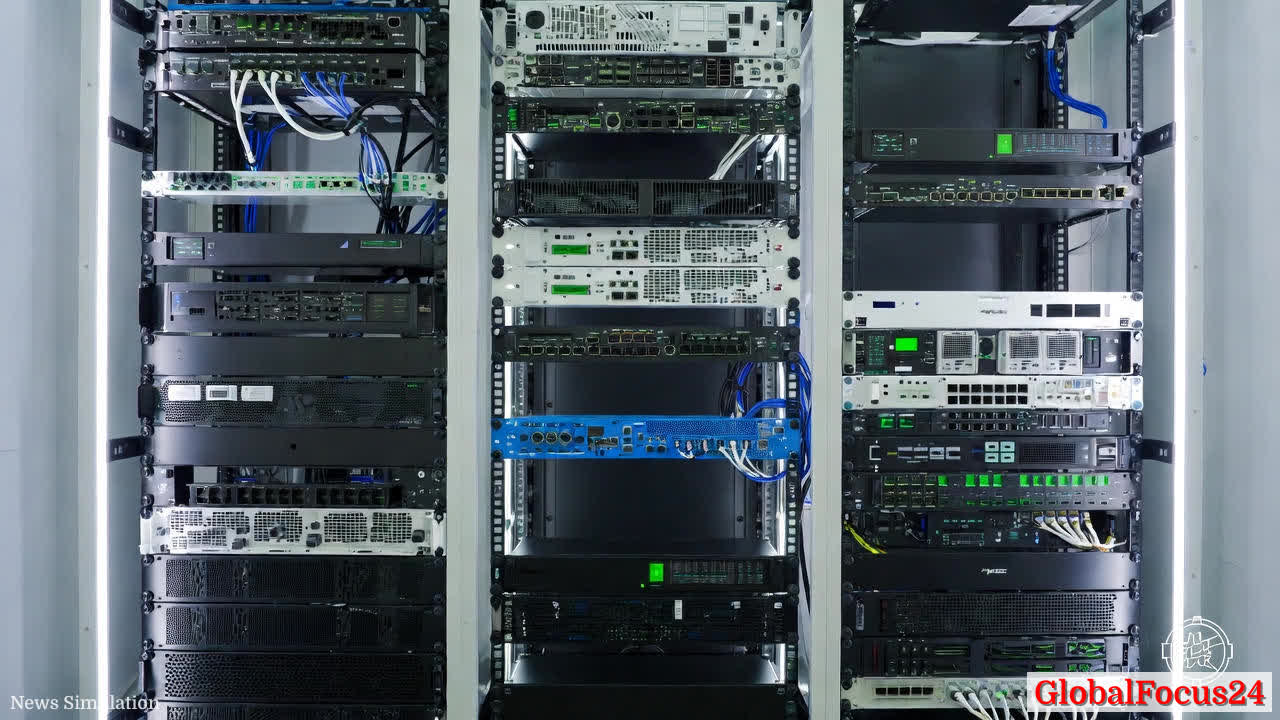
Second, AI investment has influenced capital allocation across corporate balance sheets. Firms have directed funds toward high-capacity data centers, advanced storage solutions, and cyber-resilient architectures to safeguard sensitive information and maintain uptime. Vendors report growing demand for scalable AI platforms, specialized accelerators, and software licenses that enable rapid experimentation and deployment. This, in turn, has stimulated competition among hardware providers, cloud platforms, and software developers, contributing to a robust innovation cycle.
Third, regional dynamics have evolved as investment concentrates in both traditional tech hubs and expanding regional clusters. Metropolitan areas with established AI ecosystems—notably those with strong research universities, manufacturing bases, and a skilled workforce—have attracted capital expenditures at higher rates. Yet pockets of growthhave emerged in diverse regions where industrial bases—such as automotive, aerospace, and logistics—seek to leverage AI to modernize operations and bolster competitiveness. The geography of AI investment is becoming more nuanced as firms balance proximity to talent, suppliers, and customers with the cost advantages of different locations.
Regional comparisons: how the United States stacks up When contrasted with international peers, the United States continues to exhibit a leading edge in AI-related IT investment, a function of extensive capital markets, a dense innovation network, and a favorable regulatory environment for experimentation. While countries with robust tech sectors—such as members of the European Union, East Asia, and parts of the Commonwealth—also allocate sizable resources to AI infrastructure, U.S. investment patterns reveal a more pronounced integration of AI into core business operations across industries.
In the European Union, AI-related IT spending has been rising, supported by coordinated digital strategy initiatives, funding programs, and data governance frameworks. The United States benefits from a broader private-sector funding culture, faster procurement cycles in many sectors, and a more mature ecosystem for venture-backed AI startups transitioning into enterprise-grade solutions. Asia-Pacific economies, including China, continue to channel substantial investment into AI hardware and software, with distinct policy approaches and market dynamics that influence deployment speeds and access to capital.
From a macro perspective, the 4.5% GDP share underscores how AI-enabled IT investment has become an operational backbone for emerging digital capabilities. This is not merely a cyclical bump; it mirrors a structural shift toward AI-augmented production, decision-making, and customer engagement. The challenge for policymakers and business leaders is sustaining momentum while managing risks—such as cybersecurity threats, talent gaps, and the need for resilient infrastructure.
Industry-by-industry implications
- Manufacturing and logistics: AI-ready automation, predictive maintenance, and supply chain optimization are driving equipment and software expenditures. The potential productivity gains are large, with companies reporting lower downtime, improved throughput, and greater visibility across networks.
- Healthcare: AI-infused analytics, imaging, and administrative automation are changing how care is delivered and how medical data is managed. Investments in secure data platforms and interoperability standards facilitate faster clinical insights and better patient outcomes.
- Finance: Financial institutions are leveraging AI for risk assessment, fraud prevention, and customer service. Investment in data infrastructure, governance, and model risk management remains a priority to ensure stability and regulatory compliance.
- Retail and services: AI-powered personalization, demand forecasting, and operational efficiency are shifting capital toward data platforms, edge computing, and customer-facing software that can scale across channels.
- Energy and utilities: AI applications in predictive maintenance, grid optimization, and demand response are expanding the role of IT equipment and software in critical infrastructure.
Public reaction and expectations Public sentiment toward AI-driven investment has been mixed but generally positive among business leaders and investors who view the trend as a driver of higher productivity and economic growth. Workers express a range of concerns—from the pace of technological change to the skills required for new roles. Policymakers are weighing how to sustain the benefits of AI investment while addressing potential dislocations, ensuring robust cyber defenses, and maintaining competitive markets. In regional economies, communities are weighing how to capture spillover effects, such as higher wages, new business formation, and the creation of specialized supply chains, against the need for retraining programs and social safety nets.
Measurement and methodology The 4.5% GDP figure reflects a comprehensive assessment of expenditures on information technology equipment and software that enable AI capabilities. The data aggregates IT capital formation across sectors, including hardware, software, and related services that contribute to AI deployment. Economists emphasize that the quality and relevance of the software and systems being funded are as important as thedollar amount. As AI technologies mature, the mix of capital spending is evolving—from pure hardware purchases to integrated software platforms, subscription services, and ongoing maintenance contracts that support continuous improvement and innovation.
Linked trends: investment growth and employment Over the period analyzed, commerce and industry have witnessed a sizable expansion in AI-related investment, with cumulative gains totaling hundreds of billions of dollars. This growth is associated with a broadening set of AI applications across the economy, including automation, data analytics, and customer experience enhancements. While investment in AI hardware and software contributes to demand for skilled labor in design, deployment, and maintenance, it also prompts workforce transitions. Many analysts expect a shift toward higher-skilled roles that emphasize system integration, data science, and AI governance.
Future outlook: sustaining momentum and addressing risks Looking ahead, the trajectory of AI-related IT investment will likely depend on several factors. Continued advances in AI models and hardware efficiency, the establishment of clear data governance and safety standards, and the availability of skilled labor will be critical. Additionally, macroeconomic conditions—such as interest rates, inflation, and global supply chain resilience—will influence corporate capital allocation decisions. Policymakers may prioritize incentives for innovation while ensuring fair competition, data privacy protections, and robust cybersecurity frameworks to minimize systemic risk.
Conclusion: a defining feature of the new digital economy The record 4.5% share of GDP allocated to AI-related IT equipment and software marks a defining moment in the United States’ digital economy. It signals a shift toward pervasive AI-enabled operations, tighter integration across industries, and a renewed focus on technology as a foundational driver of productivity. As firms continue to invest and expand AI capabilities, the economic landscape will likely exhibit greater efficiency, more nuanced regional growth patterns, and a continued reevaluation of how best to prepare the workforce for an AI-augmented future. The coming years will reveal how this wave of investment translates into tangible social and economic outcomes, shaping the competitive dynamics that define modern industry.