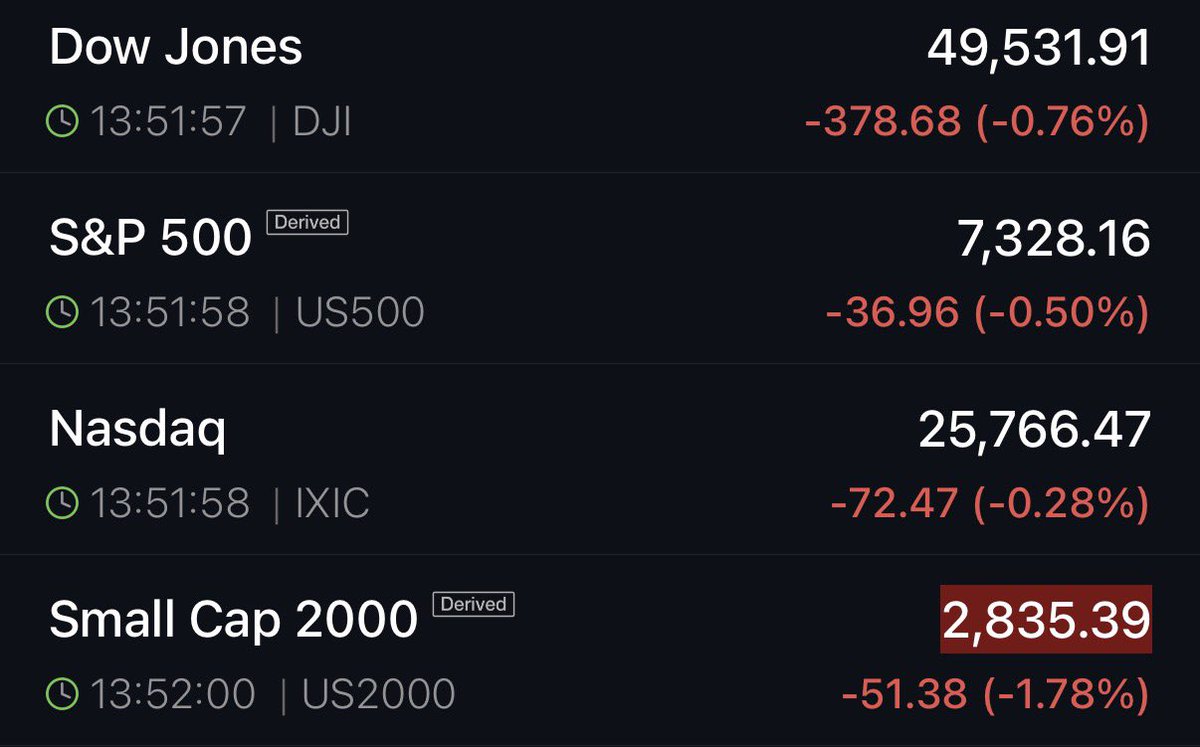
US Stocks Slide as Strait of Hormuz Tensions Resurface, Raising Global Energy Supply Concerns
U.S. equity markets retreated Thursday after reports surfaced that the Trump administration is preparing to revive “Project Freedom” operations in the Strait of Hormuz, a development that has unsettled investors and reignited fears about disruptions to global oil flows. The renewed focus on one of the world’s most strategically critical maritime chokepoints sent energy markets into volatility and dampened broader risk appetite across financial markets.
The Dow Jones Industrial Average, S&P 500, and Nasdaq Composite all closed lower, reversing earlier stability as traders recalibrated expectations around geopolitical risk and energy supply stability. The downturn reflected a broader shift toward caution as investors digested the potential consequences of increased military or security activity in the Persian Gulf.
Strategic Importance of the Strait of Hormuz
The Strait of Hormuz, a narrow waterway connecting the Persian Gulf to the Arabian Sea, remains one of the most vital arteries for global energy trade. Roughly one-fifth of the world’s oil consumption passes through the strait daily, making it a focal point for both economic stability and geopolitical tension.
Any disruption in this corridor can quickly ripple through global markets. Tanker traffic through the strait includes shipments from major oil producers such as Saudi Arabia, Iraq, the United Arab Emirates, and Kuwait. Even the perception of risk—without actual disruption—can trigger sharp movements in crude oil prices and investor sentiment.
Historically, tensions in the region have periodically escalated, often tied to broader disputes involving Iran and Western powers. Incidents ranging from tanker seizures to military standoffs have underscored the fragility of this key transit route. The reemergence of a structured operation like “Project Freedom” has therefore been interpreted as a signal of heightened security posture, with uncertain downstream effects.
Market Reaction and Sector Performance
Equity markets responded swiftly to the news, with declines spreading across multiple sectors. Energy stocks experienced mixed performance, as rising crude prices typically benefit producers but can also signal broader economic strain. Meanwhile, sectors sensitive to input costs—such as transportation and manufacturing—faced downward pressure.
Technology and consumer discretionary shares also weakened, reflecting a broader pullback in risk assets. Investors appeared to shift capital toward safer holdings, including U.S. Treasury bonds and defensive equities, amid uncertainty about how the situation might evolve.
Oil prices fluctuated throughout the trading session, reflecting competing forces of supply concern and demand uncertainty. Brent crude and West Texas Intermediate both recorded intraday swings, underscoring the market’s sensitivity to geopolitical developments.
Market participants cited several immediate concerns:
- Potential disruption to oil shipments, even if temporary or limited in scope.
- Increased insurance and shipping costs for vessels transiting the region.
- Heightened volatility in commodity markets affecting broader inflation expectations.
- The possibility of retaliatory actions or escalation involving regional actors.
Historical Context of “Project Freedom”
While details of “Project Freedom” have not been fully disclosed, the name evokes earlier U.S.-led maritime security initiatives aimed at safeguarding shipping lanes in the Persian Gulf. Past operations have typically involved naval patrols, convoy escorts, and surveillance measures designed to deter threats to commercial vessels.
In the late 1980s, during the Iran-Iraq War, Operation Earnest Will saw U.S. forces escort reflagged Kuwaiti tankers through the Strait of Hormuz to protect them from attacks. More recently, multinational efforts such as the International Maritime Security Construct have sought to ensure safe passage in response to rising tensions.
These precedents illustrate the delicate balance between deterrence and escalation. While increased security presence can reassure markets and shipping companies, it can also heighten tensions if perceived as provocative by regional stakeholders.
Economic Implications of Rising Oil Volatility
Energy prices play a critical role in shaping global economic conditions, and volatility in oil markets can have far-reaching consequences. Higher oil prices tend to increase transportation and production costs, which can feed into inflation and reduce consumer purchasing power.
For the United States, which has become a leading oil producer in recent years, the impact is nuanced. Domestic energy companies may benefit from higher prices, but consumers and industries reliant on fuel face increased expenses. This dynamic can influence monetary policy expectations, particularly if inflationary pressures intensify.
Globally, the effects are even more pronounced. Oil-importing economies, especially in Europe and Asia, are more vulnerable to supply disruptions and price spikes. Countries with limited energy diversification may experience sharper economic slowdowns in response to sustained volatility.
In emerging markets, where energy costs constitute a significant portion of economic activity, rising oil prices can exacerbate fiscal pressures and currency instability. This interconnectedness underscores why developments in the Strait of Hormuz resonate far beyond the immediate region.
Regional Comparisons and Global Market Impact
Financial markets outside the United States also reacted to the developments, though the degree of impact varied by region. European indices showed moderate declines, reflecting concerns about energy dependency and proximity to Middle Eastern supply routes.
Asian markets, particularly those in energy-importing nations such as Japan and South Korea, exhibited heightened sensitivity. These economies rely heavily on stable oil flows through the Strait of Hormuz, making them particularly vulnerable to disruptions.
In contrast, markets in major oil-exporting countries experienced mixed responses. While higher prices can boost revenue prospects, geopolitical instability can deter investment and complicate trade dynamics.
The divergence highlights how regional exposure to energy supply chains shapes market reactions:
- Europe faces moderate risk due to diversified supply but remains sensitive to price changes.
- Asia bears higher risk due to reliance on Middle Eastern imports.
- North America benefits from domestic production but is not immune to global price shifts.
- Middle Eastern markets balance potential revenue gains with geopolitical uncertainty.
Investor Sentiment and Risk Outlook
Investor sentiment turned cautious as the reports gained traction, with volatility indicators rising and trading volumes increasing. Analysts noted that markets are particularly sensitive to geopolitical developments when they intersect with critical economic inputs such as energy.
The uncertainty surrounding the scope and duration of “Project Freedom” has added to the challenge for investors attempting to price risk accurately. Without clear details, markets are left to speculate on potential scenarios ranging from limited security operations to broader regional escalation.
This uncertainty has led to several observable trends:
- Increased demand for safe-haven assets, including government bonds and gold.
- Reduced exposure to high-risk sectors and emerging markets.
- Greater focus on companies with stable cash flows and lower sensitivity to input costs.
Financial strategists emphasized that while geopolitical events often trigger short-term volatility, their long-term market impact depends on whether they materially disrupt economic fundamentals.
Shipping and Trade Considerations
Beyond oil markets, the Strait of Hormuz is also a critical route for other forms of maritime trade. Any increase in security operations or perceived risk can affect shipping logistics, insurance premiums, and delivery timelines.
Shipping companies may reroute vessels or adjust schedules in response to heightened tensions, potentially increasing costs and creating bottlenecks in global supply chains. These disruptions can cascade into broader economic effects, particularly for industries reliant on just-in-time inventory systems.
Insurance costs for vessels transiting high-risk areas typically rise during periods of tension, adding another layer of expense that can be passed on to consumers. These factors contribute to the broader inflationary pressures associated with geopolitical instability.
Outlook for Markets and Energy Stability
Looking ahead, market participants will closely monitor official announcements and developments related to “Project Freedom.” Clarity on the scope and objectives of the operation will be critical in determining whether current market reactions stabilize or intensify.
Energy markets are expected to remain sensitive tos, with price movements likely reflecting both actual developments and perceived risks. Analysts suggest that even limited operations could sustain a risk premium in oil prices, particularly if tensions remain unresolved.
At the same time, global energy infrastructure has evolved to provide some buffer against disruptions. Strategic petroleum reserves, diversified supply routes, and increased production capacity in regions such as North America offer partial mitigation. However, these measures may not fully offset the impact of sustained instability in the Strait of Hormuz.
Broader Economic Context
The market reaction comes at a time when global economic conditions are already navigating a complex landscape, including inflation concerns, shifting monetary policy, and uneven growth trajectories across regions.
Geopolitical developments add another layer of uncertainty, complicating decision-making for businesses, policymakers, and investors alike. The interplay between energy markets and broader economic indicators will remain a key area of focus in the coming weeks.
While the immediate decline in U.S. equities reflects a reaction to emerging risks, the longer-term trajectory will depend on how the situation evolves and whether it leads to tangible disruptions in global trade and energy supply.
As markets continue to assess the implications, the Strait of Hormuz once again stands at the center of global economic attention, underscoring its enduring role as both a critical lifeline and a potential flashpoint in the interconnected world economy.