US Inflation Cools More Than Expected in June, Triggering Rally in Stock Futures
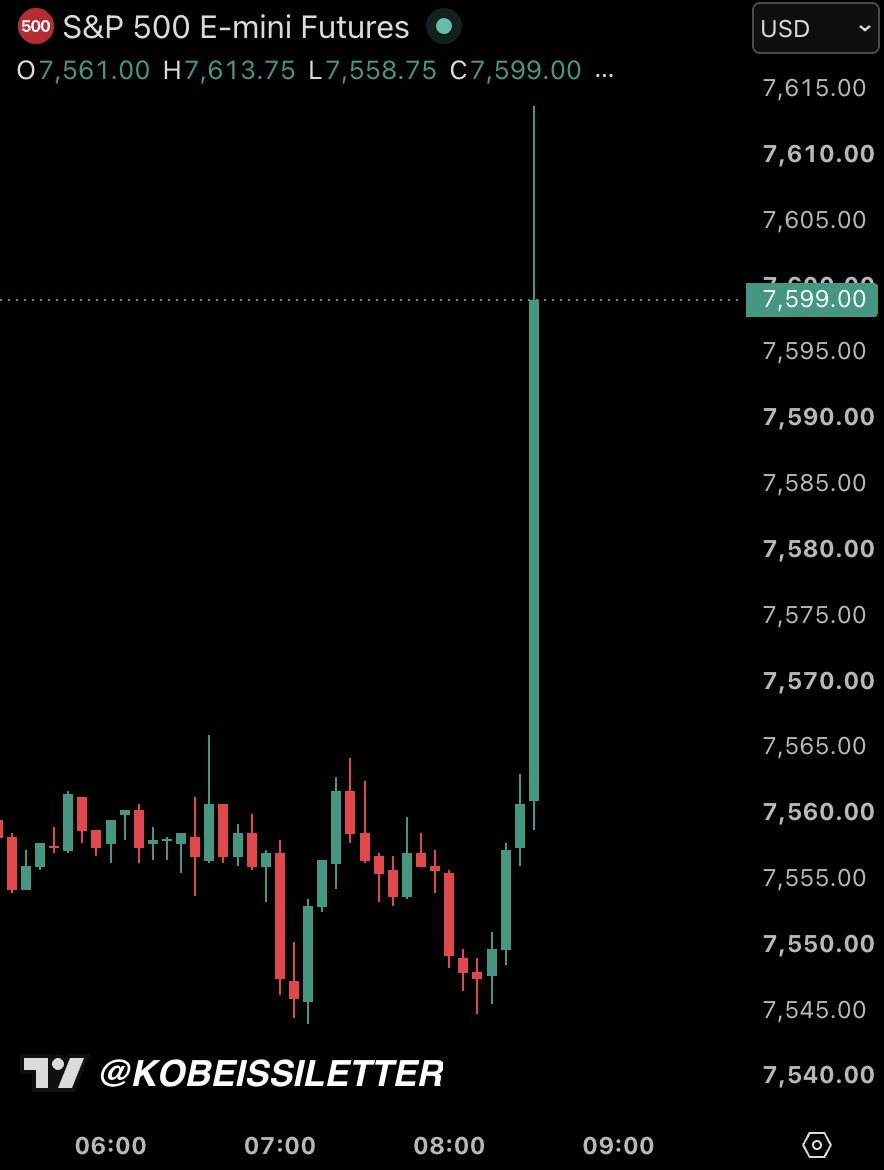
US inflation cooled more than expected in June, offering Wall Street and policymakers a fresh signal that price pressures may be easing after months of stubborn readings. The Consumer Price Index rose 3.5% from a year earlier, below economists’ forecasts of 3.8%, while core CPI, which strips out food and energy, increased 2.6% annually versus expectations of 2.8%. On a monthly basis, the index fell 0.4%, the sharpest decline since May 2020, setting off a strong rally in US stock market futures as traders quickly reassessed the outlook for interest rates and growth.
Inflation Takes a Breather
The June reading marked a notable shift in tone after a period in which inflation had repeatedly surprised markets on the upside. A 3.5% annual increase still leaves prices above the Federal Reserve’s preferred comfort zone, but the size of the monthly drop suggested that some of the most persistent upward pressures may be fading. Core inflation, watched closely because it gives a clearer reading of underlying trends, also came in softer than expected, reinforcing the view that price gains are no longer accelerating at the pace seen during the earlier stages of the inflation cycle.
That matters because markets do not move only on the level of inflation, but on the direction of travel. When data come in below consensus, especially after a stretch of tight monetary policy, investors often interpret the report as a sign that the central bank may have less reason to keep rates elevated for longer than necessary. In June, that reaction was immediate, with futures rising as traders priced in a friendlier path for borrowing costs.
Why the Report Mattered
Inflation reports remain among the most closely watched economic indicators in the US because they influence everything from mortgage rates to corporate borrowing costs and household spending power. When CPI readings come down, the relief can spread quickly through markets: bond yields can soften, rate-sensitive stocks can rebound, and consumer sentiment may improve if people believe prices are stabilizing.
The June figures were especially important because they arrived after a period of uncertainty about whether inflation’s descent had stalled. Even a modest monthly move lower can matter when annual comparisons are being influenced by earlier spikes in prices. Economists often pay attention to both year-over-year and month-over-month data for that reason: the annual figure shows the broad trend, while the monthly reading can reveal whether momentum is building or fading in real time.
Market Reaction Was Swift
The stock market response was immediate and broad, with US futures jumping as traders responded to the cooler-than-expected report. That kind of reaction typically reflects a sudden shift in expectations for monetary policy, particularly when investors believe a softer inflation print may reduce the chance of further rate increases or support earlier rate cuts. The rally also suggested renewed optimism that the economy could move toward a softer landing, where inflation cools without a sharp downturn in growth or employment.
Financial markets often treat inflation data as a key test of the balance between price stability and economic resilience. A cooler report tends to support equities because it eases pressure on discount rates and improves the valuation environment for future earnings. At the same time, it can bolster Treasury prices if investors expect the Federal Reserve to become less restrictive.
Historical Context
The June decline fits into a longer inflation story that has defined global markets for several years. After the post-pandemic surge that sent consumer prices far above historical norms, policymakers raised interest rates aggressively to cool demand and anchor expectations. Since then, inflation has gradually retreated from its peaks, though progress has often been uneven, with some months showing clear improvement and others revealing stubborn pockets in housing, services, or energy-related costs.
That uneven path helps explain why each new CPI release can move markets so sharply. Investors remember the months when inflation came in hotter than expected and forced repricing across stocks, bonds, and currencies. A softer reading, especially one that includes a sharp monthly decline, stands out against that backdrop and can quickly reshape the narrative from “inflation is sticky” to “disinflation is gaining traction.”
What It Means for Consumers
For households, a cooler inflation report does not mean prices are falling across the board, but it can signal that the pace of increase is slowing. That distinction matters. Consumers may still feel the burden of higher prices accumulated over several years, yet slower inflation can ease pressure on budgets by limiting further erosion of purchasing power.
The effect is often uneven across spending categories and regions. Urban areas with higher housing costs can continue to feel more pressure than smaller markets, while regions exposed to volatile energy prices may see quicker swings in local affordability. In the US, these differences can shape day-to-day experiences in ways that thenational figure does not fully capture.
Regional Comparisons
Compared with other major advanced economies, the US inflation picture has often looked somewhat more resilient, partly because of strong consumer demand and a labor market that has remained relatively firm. In Europe and parts of the United Kingdom, inflation has also eased from historic highs, but regional differences in energy dependence, housing structure, and wage dynamics have produced uneven results. That means a 3.5% US CPI reading, while still above target, may be viewed differently abroad depending on each economy’s own growth and price backdrop.
Within the US itself, inflation tends to bite differently by region. Coastal metro areas often face sharper shelter and service costs, while some inland regions are more exposed to transportation, food distribution, and fuel expenses. Those disparities help explain why national CPI data are useful for the broader economic picture but cannot fully capture the pressure felt by households in every state or city.
Fed Outlook
The softer June report gives the Federal Reserve more room to argue that its tightening campaign is working, but it does not eliminate the need for caution. A single month of favorable data is helpful, yet policymakers typically want to see a series of cooler readings before changing course. Core inflation remains a particularly important measure because it strips out the most volatile categories and can reveal whether the underlying pace of price growth is still too high for comfort.
For markets, the key question now is whether this data point marks the beginning of a steadier cooling trend or simply a brief pause in a bumpy disinflation process. If subsequent reports confirm a broader slowdown, investors may continue to push equities higher and pull bond yields lower. If inflation rebounds, however, the optimism could fade just as quickly.
Business and Growth Impact
Businesses also watch CPI closely because inflation affects pricing power, labor costs, inventory planning, and consumer demand. When inflation slows, companies may find it easier to forecast expenses and manage margins, but they may also face softer revenue growth if customers become more price-sensitive or if overall demand cools. The balance between those forces can shape quarterly earnings and corporate guidance.
A lower-than-expected inflation print can also support sectors tied to borrowing costs, including housing, utilities, and consumer discretionary names. By contrast, commodity-linked stocks may respond differently depending on whether the inflation slowdown reflects weaker demand, lower energy prices, or a broad easing across services and goods.
The Bigger Picture
June’s CPI report offered investors a rare combination of relief and relevance: relief because inflation undershot expectations, and relevance because the data may influence the next phase of market pricing. With the monthly index showing its biggest drop since May 2020, the report carried a symbolic weight that went beyond the numbers themselves. It suggested that the long and often frustrating battle against inflation may be entering a more favorable stage, even if the journey is not yet complete.
For now, the message from the data is clear. Price pressures are not gone, but they may be cooling faster than many economists expected, and that has already reshaped the mood across US markets.