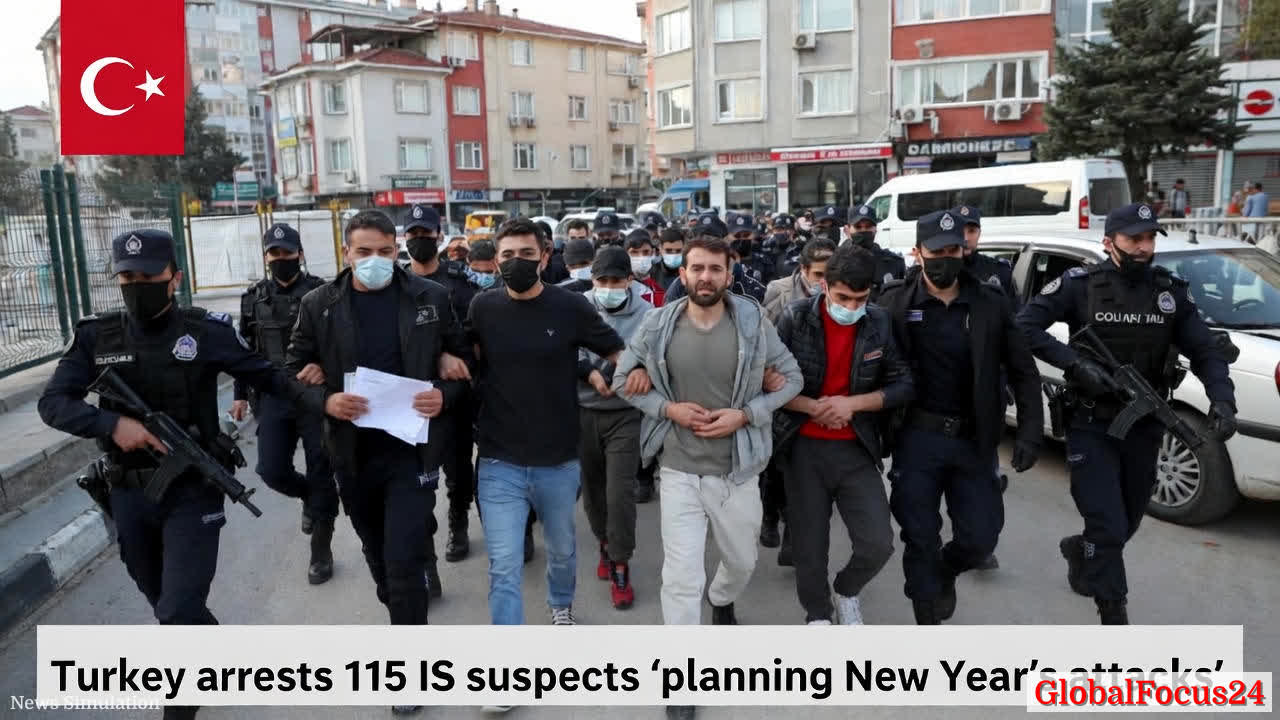
Turkish authorities detain 115 IS suspects in widespread raids tied to Christmas and New Year plots
In a sweeping security operation across Istanbul, Turkish authorities have detained 115 suspected members of the Islamic State (IS) group, officials said, after mass raids at 124 locations. Police and counterterrorism units seized firearms, ammunition, and organizational documents during the operations, which were aimed at disrupting planned attacks on Christmas and New Year celebrations. Authorities noted that the detainees were in contact with IS operatives abroad and had been actively coordinating strikes against non-Muslims and public gatherings.
Historical context and evolving threat landscape Turkey has long faced a multifaceted terrorism challenge that spans domestic extremist networks and cross-border threats. Since the early 2010s, the country has contended with IS activity within its borders, as well as recruitment, financing, and logistical support networks that stretch across Europe and the Middle East. The Islamic State’s territorial defeat in Syria and Iraq did not erase the organizational reach of the group, which has adapted by shifting toward clandestine operations, cyber-enabled recruitment, and regional cells that operate under varied operational tempos. For Turkish authorities, the ongoing vigilance reflects a broader pattern of counterterrorism work that combines intelligence-driven operations with community outreach and international cooperation.
The Istanbul operation comes amid a broader regional security framework in which European and Middle Eastern partners share intelligence and best practices for identifying and neutralizing plots before they can unfold. Istanbul, as a major cultural and economic hub, has historically been a focal point for counterterrorism efforts due to its strategic transport links, dense urban environment, and status as a gateway between continents. The latest arrests underscore how the threat landscape has evolved from large, centralized plots to smaller, cell-based networks capable of rapid action and swift adaptation to security measures.
Operational details and law enforcement response Turkish authorities described the operation as meticulously planned and executed, with investigators tracing communications, financial flows, and logistics that connected local suspects to IS networks overseas. The seizures included a range of material evidence—firearms, ammunition, travel documents, and organizational materials—that help authorities map the chain of command and uncover support structures. The coordination involved multiple law enforcement agencies at federal, provincial, and municipal levels, highlighting the depth of Turkey’s counterterrorism infrastructure.
Officials emphasized that the suspects had anticipated targets tied to public celebrations, aiming to create disruption and instill fear during a time traditionally characterized by communal gatherings and increased civilian presence. By focusing on festive events, the plot would have sought to maximize casualties and media impact, a tactic consistent with the group’s historical aims of provoking sectarian and intercommunal tension. The immediate priority for investigators is to dismantle the operational network, identify any foreign backers, and understand how the group planned to exploit security gaps during crowded celebrations.
Economic impact and implications for tourism and urban security Ankara and Istanbul have strong incentives to maintain public confidence during holiday periods, given the significant role of tourism and retail activity in the economy. Large-scale security operations, while essential for public safety, can influence traveler perceptions and business decisions. In the near term, heightened security measures and visible policing can deter potential threats and reassure residents and visitors, but they may also introduce frictions for daily life, including increased processing at transportation hubs and public venues. The broader economic impact of counterterrorism efforts in Turkey typically includes elevated security expenditures, insurance considerations for event organizers, and potential shifts in crowd management strategies for large public gatherings.
Beyond the immediate locale, regional comparisons shed light on how Turkey’s approach aligns with global best practices. In many major cities worldwide, authorities balance targeted intelligence-driven raids with community engagement, leveraging technology—surveillance analytics, data correlation, and cross-border information exchange—to identify threats before they materialize. The Turkish operation mirrors these practices, demonstrating sustained investment in investigative capacity and international cooperation, including sharing intelligence with partners in Europe and the broader region. The focus on preventing attacks during holiday periods aligns with preventive security measures observed in other capitals that host large-scale events and religious or cultural celebrations.
Regional comparisons and lessons learned While Istanbul’s security landscape is unique due to its geographic and cultural significance, several parallels emerge when examining counterterrorism efforts in other major cities. In several European capitals, authorities have reported success through early disruption of plots and the dismantling of clandestine networks discovered through targeted raids and wiretaps. A consistent pattern across these cases is the critical role of timely intelligence, robust criminal justice processes, and transparent communication with the public to prevent misinformation and panic.
In another regional context, border areas facing spillover threats highlight the importance of intelligence sharing across jurisdictions. The reference to an intelligence raid on the Afghanistan-Pakistan border indicates that Turkish authorities remain vigilant about cross-border extremist activity and the movement of suspects across porous corridors. Collaborative operations with neighboring states and allied nations help to close gaps that would otherwise allow operatives to relocate or reassemble.
Public reaction and societal resilience Reports indicate a mix of relief and cautious optimism within Turkish society. Citizens often respond to such developments with reinforced trust in security institutions, while communities remain vigilant against potential retaliation or fringe narratives that seek to exploit fear. Law enforcement agencies typically accompany major arrests with public reassurance campaigns that emphasize lawful processes, due process, and the protection of civil liberties. Civil society groups frequently advocate for transparent investigations and the safeguarding of journalists, humanitarian workers, and religious minorities, ensuring a balanced public dialogue during sensitive security operations.
Looking forward: ensuring long-term safety and stability The detentions mark a significant step in disrupting IS-linked plots, yet authorities emphasize that counterterrorism is an ongoing effort. Sustained focus on intelligence accuracy, source protections, and rigorous judicial oversight will be essential to prevent recurrences. Regular assessments of security protocols at mass gathering venues, airports, transit hubs, and tourist sites will be necessary to adapt to evolving threat vectors. Investments in community outreach, counter-radicalization programs, and public communication channels can complement hard security measures and help foster a resilient society capable of withstanding disruptive plots.
Operational continuity and international cooperation The Istanbul arrests illustrate how local operations can contribute to a broader, transnational security architecture. International cooperation remains a cornerstone of effective counterterrorism, enabling the exchange of actionable intelligence, best practices, and technical assistance. As threats adapt to changing geopolitical dynamics, ongoing collaboration with global partners will be crucial to identify and neutralize emerging networks, ensure rapid response capabilities, and prevent the recruitment and operationalization of sympathizers who might seek to exploit regional instabilities.
Societal and cultural dimensions Public safety initiatives often intersect with cultural and religious sensitivities, especially when planning events that bring together diverse communities. Authorities typically strive to safeguard the freedoms of worship and celebration while upholding the rule of law and protecting the right to peaceful assembly. The evolving threat landscape underscores the importance of inclusive security strategies that respect human rights, promote transparency, and maintain public trust. In parallel, media coverage and public information campaigns play a vital role in educating communities about risks, protective measures, and the reasons behind security measures without amplifying fear.
Conclusion The nationwide operation in Istanbul highlights a decisive moment in Turkey’s counterterrorism efforts against IS-related threats. By detaining a substantial number of suspects and seizing critical materials, authorities have disrupted an active plot targeting public celebrations and non-Muslim communities. The incident reinforces the importance of robust intelligence work, cross-border cooperation, and adaptive security planning to protect civilians during high-risk periods. As investigators continue to pursue remaining suspects and map the network’s logistics, the broader message for urban centers facing similar challenges is clear: vigilance, resilience, and a commitment to lawful, evidence-based responses remain essential to safeguarding public life and economic stability during festive seasons and beyond.