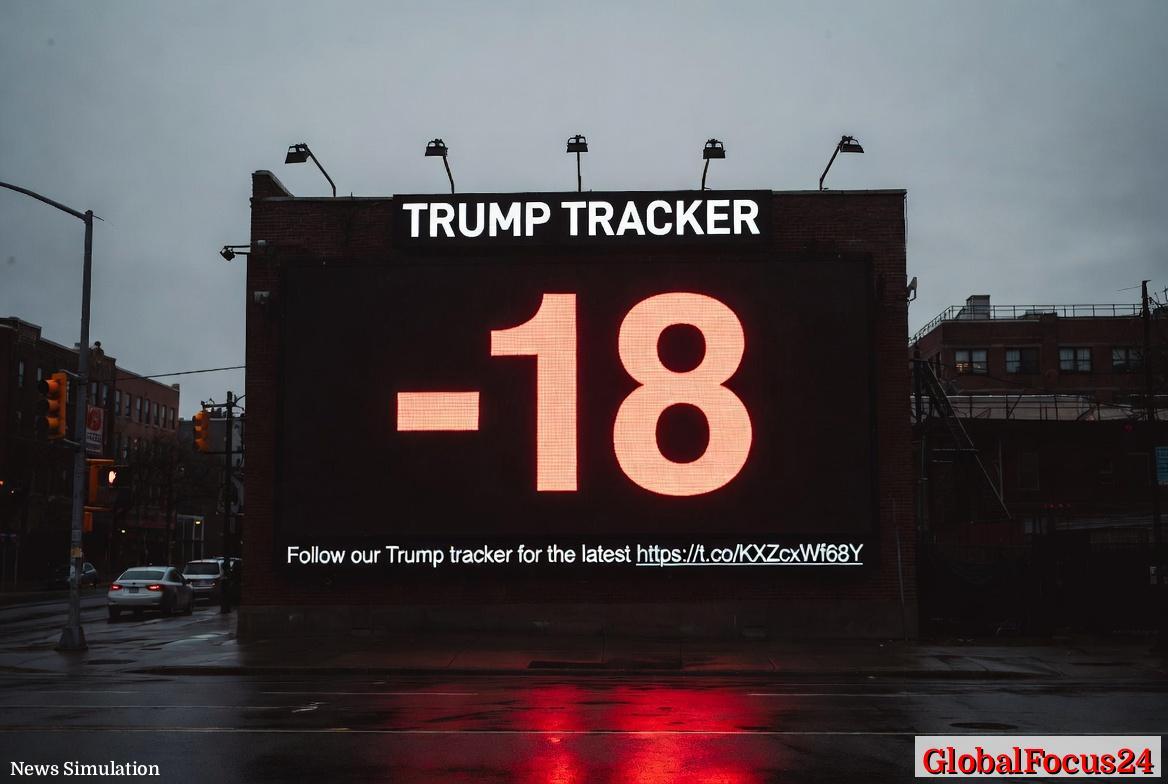
Trump Approval Rating Falls to -18 as Economic Concerns Dominate Public Sentiment
President Donald Trump’s approval rating has dropped to -18, reflecting a significant imbalance between favorable and unfavorable views among Americans, with economic anxiety emerging as a central factor shaping public opinion. The latest data underscores how perceptions of inflation, wages, and financial stability continue to influence political standing in a deeply interconnected economic environment.
Economic Perceptions Drive Public Opinion
Public attitudes toward the economy have long played a decisive role in shaping presidential approval ratings, and the current climate is no exception. Surveys indicate that a majority of Americans view economic conditions as either stagnant or deteriorating, despite mixed macroeconomic indicators.
Whilefigures such as unemployment rates and GDP growth have shown resilience in recent quarters, many households report persistent strain from elevated costs of living. Prices for housing, groceries, and essential services remain high compared to pre-pandemic levels, eroding purchasing power and contributing to a sense of financial insecurity.
This disconnect between macroeconomic performance and everyday experience has amplified dissatisfaction. Economists often describe this phenomenon as a “perception gap,” where official data signals stability but consumer sentiment reflects ongoing hardship.
Inflation and Cost of Living Pressures
Inflation continues to be a defining issue in shaping economic sentiment. Although inflation rates have moderated from earlier peaks, cumulative price increases over the past several years have left a lasting impact on household budgets.
Key areas affecting public perception include:
- Housing affordability, with home prices and rents remaining elevated in many regions.
- Food and grocery costs, which have seen sustained increases over time.
- Healthcare expenses, which continue to outpace wage growth for many workers.
- Energy prices, which fluctuate but contribute to overall cost uncertainty.
For many Americans, wage gains have not fully offset these increases. As a result, even those employed in stable jobs often report feeling financially constrained, a sentiment that feeds directly into broader dissatisfaction with economic leadership.
Historical Context of Presidential Approval and the Economy
The relationship between economic performance and presidential approval has been well documented across modern U.S. history. Periods of economic distress—whether driven by inflation, unemployment, or financial crises—have consistently corresponded with declining public support for incumbent leaders.
In the late 1970s, for example, high inflation and slow growth contributed to declining approval ratings for President Jimmy Carter. Similarly, during the 2008 financial crisis, President George W. Bush’s approval ratings fell sharply amid widespread economic turmoil.
Conversely, periods of strong economic expansion, such as the late 1990s during President Bill Clinton’s administration, often coincide with higher approval ratings. However, even in those cases, public sentiment can shift quickly if economic conditions change or if inequality becomes more pronounced.
The current situation reflects a hybrid dynamic: while the economy is not in recession by traditional measures, persistent cost pressures and uneven recovery patterns have created a climate of dissatisfaction reminiscent of more severe downturns.
Regional Variations in Economic Sentiment
Economic perceptions vary significantly across different regions of the United States, further complicating the national picture.
In high-cost metropolitan areas such as those in California and the Northeast, housing affordability remains a dominant concern. Residents in these regions often face steep rents and home prices, even as wages trend higher than the national average.
In contrast, parts of the Midwest and South experience different challenges. While housing may be more affordable, wages are often lower, and economic growth can be less robust. In these areas, concerns about job stability and long-term economic opportunity play a larger role in shaping sentiment.
Rural communities, meanwhile, continue to face structural economic issues, including limited access to healthcare, fewer employment opportunities, and population decline. These factors contribute to a broader sense of economic uncertainty that transcends short-term indicators.
Consumer Confidence and Spending Behavior
Consumer confidence has shown signs of volatility, reflecting the broader uncertainty in economic perceptions. When confidence declines, it often leads to reduced consumer spending, which in turn can slow economic growth.
Recent trends suggest that households are becoming more cautious in their financial decisions. Indicators include:
- Increased savings rates among certain income groups.
- Reduced discretionary spending on travel, entertainment, and luxury goods.
- Greater reliance on credit for everyday expenses.
This cautious behavior highlights the psychological dimension of economic conditions. Even in the absence of a formal recession, fear of financial instability can influence behavior in ways that reinforce negative sentiment.
Labor Market Strength and Limitations
The labor market remains one of the stronger aspects of the current economy, with relatively low unemployment and continued job creation in several sectors. However, this strength has not fully translated into widespread economic optimism.
Several factors help explain this disconnect:
- Wage growth has been uneven, with gains concentrated in certain industries.
- Job quality concerns persist, including issues related to job security, benefits, and work-life balance.
- Labor force participation remains below pre-pandemic levels in some demographics.
For many workers, having a job is no longer sufficient to guarantee financial comfort, a shift that has reshaped expectations and contributed to broader dissatisfaction.
Comparison with Other Advanced Economies
The United States is not alone in facing economic perception challenges. Many advanced economies are grappling with similar issues, including inflation, housing affordability, and wage stagnation.
In Europe, for example, energy costs and inflation have significantly impacted household budgets, leading to widespread public concern. In the United Kingdom, cost-of-living pressures have dominated economic discourse, while in parts of Asia, slowing growth has raised questions about long-term stability.
However, there are notable differences. Some countries have implemented more extensive social safety nets or targeted subsidies to offset rising costs, which can influence public perception differently. In comparison, the U.S. system relies more heavily on market dynamics, which can lead to sharper disparities in individual experiences.
These international comparisons highlight how structural differences in economic policy and social support systems can shape public sentiment, even when facing similar global challenges.
Political Implications of Economic Sentiment
While approval ratings are influenced by a range of factors, economic conditions consistently rank among the most significant drivers. A negative approval rating of -18 suggests a substantial gap between those who approve of the president’s performance and those who do not.
This gap often reflects broader concerns about economic direction rather than isolated policy decisions. When voters feel financially insecure, they are more likely to express dissatisfaction with leadership, regardless of specific initiatives.
At the same time, approval ratings can be fluid, responding quickly to changes in economic conditions. Improvements in inflation, wage growth, or consumer confidence could shift public sentiment, while further economic strain could deepen dissatisfaction.
Public Reaction and Outlook
Public reaction to the current economic climate is characterized by a mix of frustration and cautious optimism. While many Americans express concern about their financial situation, there is also recognition of the economy’s underlying resilience.
This duality is evident in survey responses that show:
- Concern about current financial conditions.
- Hope for future improvement.
- Skepticism about the pace of economic recovery.
The path forward will likely depend on how effectively economic challenges are addressed in the coming months. Key factors to watch include inflation trends, wage growth, and housing affordability, all of which play a central role in shaping public perception.
As the economic landscape continues to evolve, so too will the relationship between economic conditions and political approval. For now, the data reflects a clear reality: economic sentiment remains a powerful force in shaping how Americans evaluate leadership.