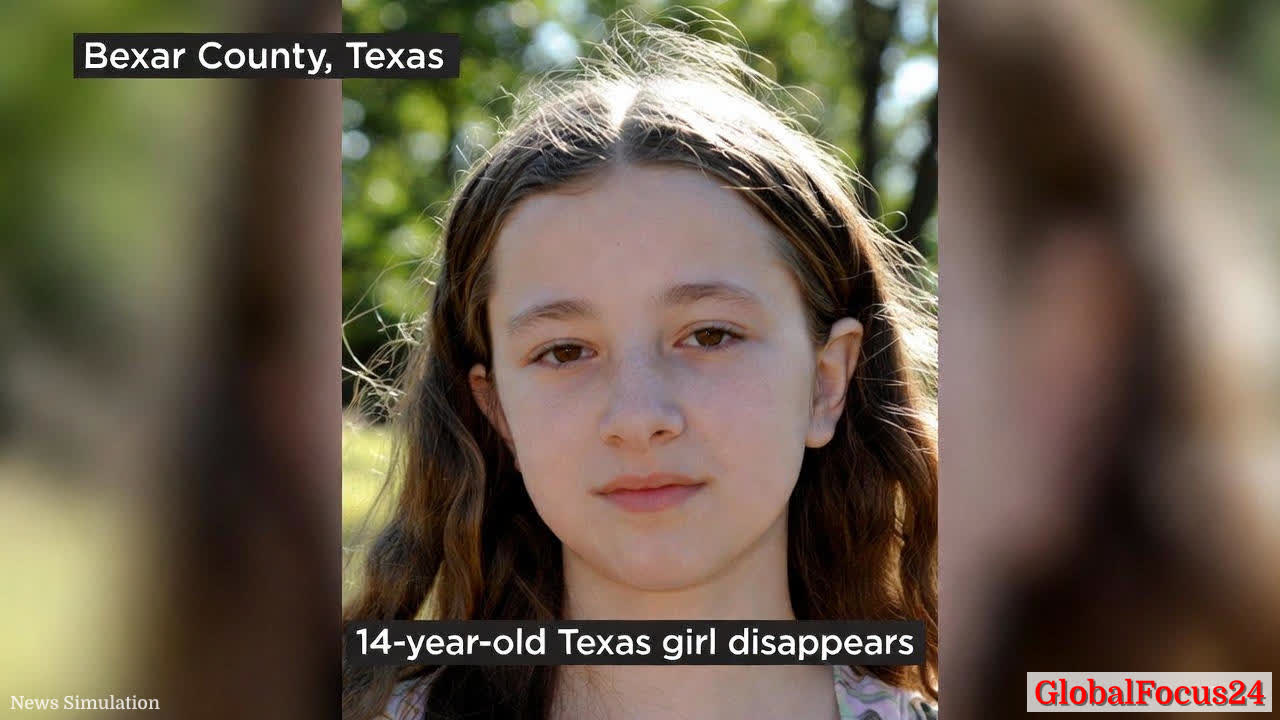
Missing Teen trio in Bexar County prompts renewed focus on safety and community response
A sequence of disappearances from Bexar County, spanning five days over the holiday period, has heightened concerns about the safety of teenagers in the San Antonio area. The latest report concerns a 14-year-old girl who vanished from her Texas home Monday evening, around 7 p.m., near the Landon Ridge and Potranco Road area. This incident follows two other missing-teens cases in the same county: a 19-year-old last seen Christmas Eve morning near her San Antonio residence around 7 a.m., and a 17-year-old reported missing on Christmas Day, last seen on Potranco Road. Local authorities are treating all three cases as connected in timing, though they stress that each investigation remains active and open as investigators work to determine whether there is a common thread or motive.
Historical context: patterns of missing youths in urban-suburban corridors
Bexar County, which encompasses the city of San Antonio and surrounding communities, has experienced periods of heightened concern over teen disappearances in recent years. Historian and crime analysts often emphasize that missing-person cases involving teenagers can reflect a complex mix of personal, familial, and societal factors. In some instances, cases cluster during holidays or significant stress periods, creating a temporary spike in reported disappearances. Local law enforcement agencies routinely coordinate with state and federal partners to monitor risk indicators, share information across jurisdictions, and deploy resources to triangulate possible locations, including public transit routes, major roadways, and known gathering spots for youth.
Economic and social context: implications for families and local services
Disappearances of minors place significant emotional and financial strain on families, communities, and local service networks. For families, the immediate concerns include arranging safe housing, securing legal guardianship or registration, coordinating search efforts, and accessing mental-health support for children and siblings affected by the event. At the same time, the broader community often mobilizes volunteers for search-and-rescue operations, increases in neighborhood watch activity, and heightened vigilance around after-school programs and community centers. Local governments may respond with resource allocations for social services, public information campaigns, and collaborations with non-profit organizations that specialize in missing-person outreach and recovery efforts.
Regional comparison: how San Antonio's response stacks up against peer cities
When compared with peer metropolitan areas in the Southwest, San Antonio’s approach to missing-teen investigations typically mirrors best practices seen in larger U.S. cities: rapid notification to the public, coordinated police and investigative teams, and prompt involvement of I.D. and digital forensics units when applicable. The presence of robust community policing initiatives and active neighborhood associations can facilitate timely reporting and tips from residents. In some comparator cities, missing-person campaigns gain traction through partnerships with local schools, faith-based groups, and youth organizations that help spread information and coordinate search efforts without compromising privacy or safety.
Safety measures and public guidance: what families can do now
Authorities emphasize practical steps for families and communities amid ongoing investigations:
- Maintain open communication with teenagers about daily routines, travel plans, and trusted contacts, while respecting privacy.
- Monitor digital footprints responsibly, including location-sharing settings on mobile devices and the ability to quickly report suspicious activity.
- Establish a clear family plan for emergencies, including a designated meeting place and a rapid reporting protocol if a child goes missing.
- Utilize trusted community resources such as school counselors, local police missing-person units, and community centers for support and information.
- Share information through official channels and avoid unverified rumors that could hinder an investigation.
Investigation status: what is known and what remains uncertain
Officials are actively pursuing multiple investigative paths, including reviewing digital forensics, analyzing cellphone data, and canvassing neighborhoods in and around Potranco Road and surrounding precincts. The discovery of any electronic devices or phones linked to the missing individuals is considered potentially critical in reconstructing timelines and identifying possible contacts or patterns. In the case of the 19-year-old, authorities indicated concerns about imminent danger, including possible trafficking or self-harm, underscoring the severity with which investigators approach each lead. In the 17-year-old case, investigators note that the phone is believed to be in the person’s possession, which can facilitate location-tracking and contact verification. The 14-year-old case remains under rapid, focused review as responders consolidate witness statements, surveillance footage, and family information.
Public involvement: community tips and the role of social media
The public plays a crucial role in cases like these. Tips from residents who notice unusual activity, unfamiliar vehicles, or strangers loitering near schools, parks, or residential corridors can significantly accelerate the investigative process. Law-enforcement agencies typically encourage the public to report tips through official channels, which preserves anonymity and ensures information is stabilized for evaluation. Social media, when used responsibly and verified, can help disseminate surveillance footage or known timelines to a broader audience, broadening the reach of legitimate information while avoiding the spread of misinformation.
Historical context of missing-child campaigns and their evolution
Over the past two decades, missing-child campaigns have evolved from purely local alerts to multi-jurisdictional operations that leverage data-sharing networks and advanced analytics. Modern efforts often incorporate cross-agency collaboration with state police, federal partners, and non-profit organizations that specialize in family reintegration and trauma-informed support. This evolution reflects a broader societal commitment to safeguarding youth, improving recovery rates, and providing timely, accurate information to protect vulnerable populations. While no single approach guarantees outcomes in every case, the continued refinement of rapid-response protocols, digital forensics, and community engagement remains central to successful resolutions.
Regional infrastructure and safety considerations
San Antonio and Bexar County sit within a regional ecosystem of transportation, housing, and employment centers that influence both risk and resilience. Major roadways, including the corridors near Potranco Road, serve as arteries for commuters, delivery services, and social activities. The density of the urban-suburban interface can complicate searches, but it also means that a wide geographic area is accessible to both legitimate travel and, in some cases, opportunistic activity. In this context, public safety strategies increasingly emphasize high-visibility patrols in identified hotspots, collaboration with school districts on student safety education, and community outreach programs designed to empower residents to participate in protective actions without compromising personal safety.
Public reaction and the human dimension
Families touched by these cases describe a spectrum of emotions—from fear and desperation to cautious optimism when authorities announce new leads. Neighbors may share concerns about neighborhood safety, while local businesses may monitor foot traffic patterns and security arrangements to protect patrons and staff. Community gatherings, vigils, and messages of support often emerge in the days after a disappearance, reflecting a shared commitment to safety and the welfare of young people. Public reaction can also influence policy discussions around youth outreach programs, mental-health resources, and the availability of safe, supervised spaces for teens during after-school and weekend hours.
Conclusion: toward resolution and continued vigilance
As investigators pursue leads in the three linked disappearances, the overarching message to the community is one of vigilance and solidarity. The cases underscore the importance of early reporting, interagency cooperation, and the sustained provision of resources for families navigating the distress of a missing loved one. While the immediate priority is locating the missing teens and ensuring their safety, the broader takeaway centers on strengthening community safety nets, improving access to support services for vulnerable youths, and maintaining transparent, accessible communication with the public. The ongoing effort in Bexar County will likely influence regional approaches to missing-person investigations, contributing to a more coordinated framework that can adapt to future incidents and evolving risks faced by teenagers in fast-growing, diverse urban areas.