Silver’s Breakthrough: A Multi-Year Rally Tops $100 Per Ounce
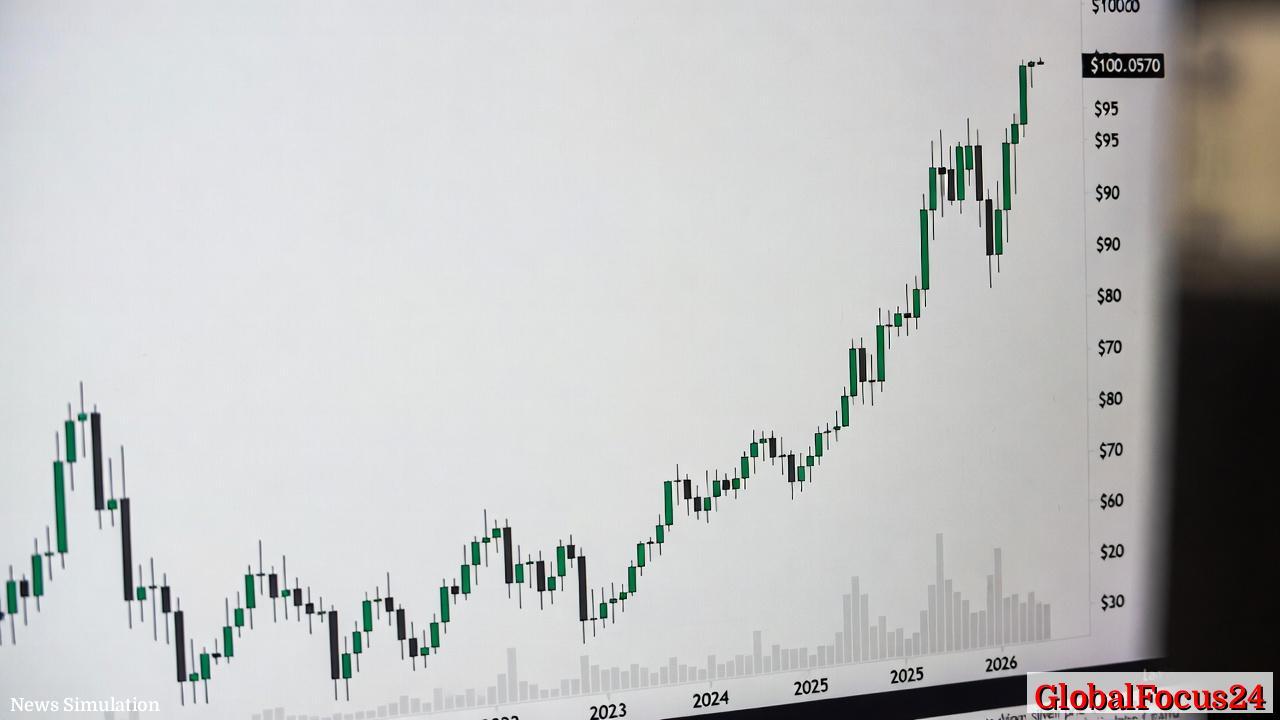
The silver market has entered a defining phase, with prices for silver contracts and related instruments climbing from mid-single-digit levels in the early 2020s to a bold ascent that breached the $100 per ounce mark in 2026. This rally, marked by parabolic momentum in late 2025 and carried through January 2026, reflects a confluence of macroeconomic dynamics, industrial demand patterns, investment behavior, and regional market activity. While exact price paths vary by instrument and venue, the thrust of the move is clear: silver has re-emerged as a focal point for investors seeking a blend of monetary significance, industrial utility, and portfolio diversification.
Historical context: a long arc toward a new ceiling
Silver’s price history has often been shaped by its dual identity as both a precious metal and an industrial commodity. In the 2020s, investors faced a complex mix of inflationary pressures, central-bank policy shifts, and geopolitical risk that reframed the asset’s risk-reward profile. Historically, silver has tended to move in sympathy with gold during periods of broad financial stress, while also responding to changes in demand from sectors such as photovoltaics, electronics, and automotive technology. The late-2020s and early-2020s witnessed a gradual re-pricing as markets absorbed expectations for higher rates, along with evolving supply constraints in silver mining and recycling channels. Against this backdrop, a trajectory emerged whereby silver prices increasingly reflected both safe-haven considerations and the demand footprint of a recovering global economy.
By late 2025, a combination of tightening monetary conditions, inflation expectations shifting toward stabilization, and renewed confidence in economic resilience contributed to a stronger bid for precious metals, particularly among investors seeking a hedge against currency risk and systemic uncertainty. The rally’s ignition can be traced to several catalysts: robust demand from industrial segments that use silver for solar panels, electronics, and medical devices; a broader shift by market participants toward hard assets as stores of value; and technical factors that drew momentum traders into a market positioned for a breakout. The result was a price trajectory characterized by sustained upward pressure, punctuated by decisive weekly and daily gains that culminated in a test of the $100 per ounce level in early 2026.
Economic impact: implications across markets and sectors
- Investment flows and market positioning: The ascent of silver prices has attracted a diverse set of participants, including physical bullion buyers, exchange-traded funds, and speculative traders seeking exposure to a historically volatile but economically meaningful metal. The psychology of a round-number milestone—$100 per ounce—can itself become a reinforcing driver, spurring additional buying interest from both new entrants and existing holders who view the level as a strategic anchor for risk management.
- Industrial demand resilience: Silver’s industrial applications remain a critical component of its price dynamics. The metal’s high conductivity, reflectivity, and soldering properties underpin growth in solar energy capacity, electronics manufacturing, medical devices, and automotive electrification. A robust global push toward renewable energy infrastructure and advanced manufacturing supports a floor for demand that helps sustain price strength even in periods of broader macro volatility.
- Mining supply considerations: Silver supply responds to the broader dynamics of precious metals mining, with output often influenced by contemporaneous copper and gold mining activity, by-product allocations, and exploration outcomes. In a cyclical commodity environment, supply-side constraints or improvements can significantly affect price trajectories. A sustained price level near or above $100 per ounce would incentivize higher-grade material recovery and, potentially, new development projects, while also testing the sensitivity of producers to input costs, logistics, and regulatory environments.
- Currency and macro policy channels: As investors weigh currency depreciation risks and inflation expectations, silver can function as a hedge within diversified portfolios. Monetary policy trajectories—particularly the pace of rate normalization or cuts—can influence metal prices by shaping real yields and opportunity costs of holding non-yielding assets. Regional differences in policy stance and growth prospects can also drive cross-border demand and price dispersion.
Regional comparisons: how markets around the world are reacting
- North America: The United States and Canada, with relatively mature futures and coins markets, have continued to show strong participation from institutional and retail investors. In addition to mass-market ETFs and futures trading, regional setups in North America emphasize the role of silver as a tactical asset within diversified portfolios. The price move toward $100 per ounce has drawn attention from households and small businesses seeking hedges against inflation and currency risk, while financial institutions monitor the spillover effects on jewelry, technology supply chains, and industrial demand sectors.
- Europe: European investors have traditionally treated silver with a blend of investment and cultural sentiment, given its use in jewelry and industrial sectors within the region. A higher energy price environment and varied inflation dynamics across continental economies have contributed to sustained demand, even as global markets shifted. The near-term focus for European markets includes monitoring for volatility spillovers, exchange-rate influences, and the potential for regional production and recycling activities to adjust the supply balance.
- Asia-Pacific: The APAC region, with its expansive manufacturing base and growing consumer markets, has been a major driver of silver demand. Solar module production, electronics manufacturing, and the broader industrial ecosystem in countries like China, India, Japan, and others contribute to a structural underpinning for silver demand. Price movements in this region are often influenced by domestic policy directions, export cycles, and regional energy transition plans, all of which intersect with global price discovery.
- Latin America and others: In regions with significant mining activity or where jewelry demand remains culturally important, price trends can reflect local market dynamics, including import costs, currency movements, and discretionary spending patterns. While these markets may be smaller in absolute volume compared to North America and Asia-Pacific, they contribute to the global pulse of silver demand and supply.
Market structure and technical considerations
- Parabolic price behavior: The current dynamics have been described by observers as parabolic, marked by accelerating gains and the occasional breach of prior resistance levels. While such patterns can indicate strong momentum, they can also present elevated risk if a reversal or consolidation occurs. Market participants often watch key psychological levels, trend lines, and momentum indicators to gauge the durability of the move and the potential for pullbacks or continued breakout.
- Resistance levels and breakouts: Historical resistance around levels such as $70, $80, and $90 per ounce has now given way in the face of sustained buying pressure. The psychological milestone near $100 has attracted additional attention, with traders assessing whether the level acts as a new anchor or if a broader acceleration toward higher targets is possible. Technical analysis remains one tool among many for understanding potential near-term trajectories, particularly when paired with macroeconomic signals.
- Supply-demand balance: The core of the price story rests on the balance between physical demand for industrial applications and investment demand. Inventory levels, exchange-held metal, and the behavior of market-makers all contribute to price discovery. While speculative activity can amplify moves, the underlying structural demand—driven by solar energy, electronics, and healthcare—helps support a floor under prices during periods of volatility.
Public reaction and media narratives
Public sentiment around silver’s ascent reflects a mix of awe, caution, and strategic thinking. Some observers see the move as a vindication of diversified portfolios that combine commodities with equities and bonds to navigate uncertain times. Others voice concern about the potential for a sharp pullback if macroeconomic conditions shift or if gains in related markets trigger profit-taking. Regardless of individual viewpoints, the broad public discourse underscores the metal’s continuing relevance as a store of value and a component of modern technology supply chains.
Policy and regulatory considerations
- Investor protections and market integrity: As market activity intensifies, regulators monitor for liquidity conditions, leverage usage, and the risk of sudden liquidity shifts. Ensuring transparent pricing, robust risk controls, and orderly markets remains a priority to safeguard participant confidence across futures, options, and over-the-counter structures.
- Environmental and social governance (ESG) facets: The silver supply chain intersects with environmental and social considerations, from mining practices to recycling efficiency. Stakeholders increasingly weigh ESG implications in investment decisions and corporate disclosures, potentially influencing where and how silver is mined and processed.
- Trade and geopolitical dynamics: Global trade policies, sanctions regimes, and geopolitical events can shape commodity markets, including silver. Investors and industry participants watch for shifts in supply security, mining concessions, and cross-border logistics, all of which can affect availability and pricing.
Outlook: what to watch in the months ahead
- Continued price discovery: If the current momentum persists, silver could test higher thresholds beyond the $100 per ounce mark, with traders monitoring for consolidation or retracement. The path there will likely depend on a blend of macroeconomic data, industrial demand signals, and shifts in risk appetite across asset classes.
- Industrial demand resilience: The cadence of solar expansion, electronics production, and medical technology adoption will continue to influence silver’s fundamental support. Any acceleration in renewable energy capacity and digitization trends would reinforce the constructive drivers behind the rally.
- Monetary policy and real yields: The interplay between nominal rates, inflation expectations, and real yields will shape appetite for precious metals. A clearer trajectory for interest rates could either reinforce silver’s appeal as an alternative store of value or temper gains if real yields rise sharply.
- Regional dynamics: As markets digest the implications of higher prices, regional demand patterns and supply adjustments will matter. Trade flows, mining investments, and currency movements in key regions will contribute to price behavior and market sentiment.
Conclusion: a pivotal moment for a traditional yet evolving metal
The surge in silver prices to unprecedented levels underscores the metal’s enduring relevance in both investment and industrial contexts. The journey from multi-year consolidation to a parabolic ascent highlights how macroeconomic conditions, technological demand, and regional market activity converge to shape commodity markets. While no single factor can fully determine the trajectory of precious metals, the current landscape suggests that silver’s role as a diversified asset, a critical industrial input, and a potential hedge against uncertainty remains firmly intact. As markets and policymakers navigate an evolving global economy, silver’s narrative—rooted in centuries of value, utility, and resilience—continues to unfold in real time.