)
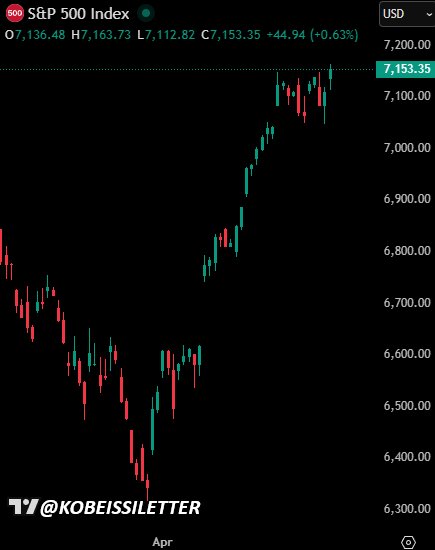
S&P 500 Reaches New Record as Market Optimism Sparks $7.6 Trillion in Value Over 19 Trading Days
The U.S. stock market surged to a new record high for the S&P 500, marking a dramatic turnaround since its late-March trough. In just 19 trading days, the index has added about 7.6 trillion dollars in market capitalization, lifting investor sentiment and reinforcing the narrative of a resilient domestic economy. This milestone arrives amid a complex mix of macro signals, corporate earnings progress, and evolving global conditions that together shape the trajectory of equity markets in the near term.
Historical context: a pattern of sudden rebounds Equity markets have a long-standing relationship with the path from fear to hope. The recent surge follows a familiar cycle: a sharp drawdown driven by concerns over growth, inflation, or policy uncertainty, followed by a cautious rebound as data stabilizes and investors reassess risk. The current move reflects a convergence of several enduring themes. First, stronger-than-expected corporate profits—particularly in sectors such as technology, consumer discretionary, and financials—have underscored earnings resilience even as interest rate expectations remain a focal point for investors. Second, monetary authorities have signaled a degree of flexibility in policy stance, which has helped calm some of the immediate volatility associated with macro surprises. Finally, macro indicators such as consumer spending, manufacturing activity, and employment trends have shown signs of stabilization, contributing to a broader sense of macroeconomic balance.
Economic impact: what the rally means for households and businesses A sustained rise in index levels translates into broader market implications that reach households, small businesses, and institutional investors. The most direct effect is increased confidence among investors, which can support higher asset valuations and improve access to capital for corporations seeking funding. This dynamic often translates into several practical outcomes:
- Equity financing conditions: A higher market capitalization can broaden the options for companies to raise funds through secondary offerings or strategic equity investments.
- Retirement and savings implications: Many households hold diversified portfolios that include index funds or equity exposure through employer-sponsored plans. A robust rally can influence retirement planning by improving the perceived trajectory of long-term savings.
- Sectoral leadership: Historically, gains in the S&P 500 do not distribute evenly across all industries. The current leadership appears to be driven by resilient tech-enabled services, financials benefiting from higher rate expectations, and select consumer names that have demonstrated pricing power and solid demand.
- Inflation and real returns: While nominal gains are notable, investors remain attentive to real returns after inflation. If inflation pressure remains elevated, real return drivers may hinge on earnings growth outpacing price levels, or on multiple expansion diminishing as rates move higher.
Regional comparisons: how the rally stacks up against peers Compared with other major markets, U.S. equities have shown notable strength during this rebound period, though the pace and intensity vary by region. In many developed markets, equity markets have faced headwinds from slower growth and divergent policy paths. Yet, the U.S. rally has benefited from a combination of robust corporate earnings, a large and diversified economy, and depth of capital markets that enable rapid price discovery. In contrast, some regional markets have experienced more modest recoveries as local growth dynamics and policy responses differ. For investors, regional benchmarks provide a useful lens to assess earnings quality, valuation discipline, and risk tolerance across global equities.
Corporate earnings and sector dynamics: drivers behind the move A deeper look at the earnings landscape reveals several thematic strengths supporting the rebound. Tech and software firms have highlighted margins and recurring revenue models that help anchor profits even amid broader macro uncertainty. Financial services firms have benefited from improved credit quality and a favorable interest-rate environment, which can bolster net interest margins and profitability. Consumer brands with resilient demand have shown pricing power, supporting revenue growth and cash flow generation. However, markets remain attentive to the potential for volatility stemming from inflation persistence, policy shifts, or geopolitical tensions that could alter the earnings outlook.
Market breadth and the durability question One key question for investors is whether the rally represents broad breadth or is concentrated in a subset of highly traded names. A durable market rally typically features participation across a wide array of sectors and market cap sizes, along with improving liquidity and a constructive earnings backdrop. Market observers will monitor indicators such as new highs versus new lows, volume patterns, and sector rotation to gauge whether the momentum has legs or if a consolidation period is likely. The health of the economy, including consumer confidence, manufacturing activity, and labor market strength, will continue to shape this dynamic.
Monetary policy context: what to watch next Policy expectations play a central role in determining the sustainability of the rally. Traders and analysts will scrutinize commentary from central banks, inflation data, and growth forecasts. If inflation shows signs of sustained cooling and growth remains resilient, rate expectations may shift toward a more accommodative stance, supporting multiple expansion and risk appetite. Conversely, if inflation sticks at higher levels or growth weakens, markets could reassess valuations and rotate into defensive positions. In this environment, the balance between fostering innovation and curbing volatility remains pivotal for policymakers and market participants alike.
Public reaction and sentiment: narrative alongside numbers Public sentiment often moves in tandem with market levels, with media coverage, investor forums, and household financial decisions contributing to a feedback loop. A record-high S&P 500 tends to reinforce a positive mood among investors, but it also invites scrutiny regarding sustainability, especially in the context of potential pullbacks or volatility triggers. Communities across industries—from tech hubs to manufacturing centers—watch prices and earnings reports closely, translating market signals into hiring plans, wage negotiations, and investment strategies. The resulting sentiment can influence consumer behavior and business planning in tangible ways, reinforcing the interconnectedness of financial markets and real-world activity.
Risk factors to monitor: a balanced risk assessment Despite the optimistic drift, several risks warrant careful monitoring:
- Inflation persistence and policy response: if inflation proves more stubborn than anticipated, it could shape rate trajectories and investment multiples.
- Global headwinds: geopolitical events, supply chain frictions, and foreign policy developments have the potential to exert spillover effects on the U.S. equity market.
- Earnings variability: as valuations grow, the market becomes increasingly sensitive to earnings surprises or misses, particularly among firms with higher exposure to consumer demand cycles.
- Liquidity conditions: abrupt shifts in liquidity can amplify short-term volatility, especially in periods of elevated risk appetite or sudden risk-off episodes.
Historical analogs and regional outcomes: what investors learn from the past Looking back at similar episodes, investors have learned the importance of core fundamentals—earnings growth, balance sheet strength, and disciplined capital allocation—alongside macro backdrop considerations like interest rates and inflation. Regions with diversified economic foundations, robust innovation ecosystems, and strong export ties have often fared better during recoveries, as they demonstrate resilience to domestic shocks and external volatility. The current U.S. context benefits from abundant energy production, a sizeable service sector, and a dynamic technology landscape, all contributing to a sense of long-term potential even as near-term volatility remains a factor.
Conclusion: path forward for investors and policymakers The record-setting performance of the S&P 500 underscores a moment of renewed confidence in the trajectory of the U.S. economy and corporate profitability. While the pace of gains has been rapid, a measured approach that emphasizes quality earnings, sustainable cash flow, and prudent risk management remains prudent for long-term investing. As markets evaluate the evolution of inflation, interest rates, and global developments, investors will likely monitor sector rotations, earnings quality, and valuation discipline to inform portfolios.
In summary, the latest market highs reflect a confluence of durable earnings strength, policy adaptability, and economic steadiness relative to recent uncertainty. For households, businesses, and regional economies alike, the ongoing price action serves as both a gauge of current resilience and a signal to plan ahead with discipline, diversification, and a clear-eyed view of risk and opportunity in a shifting financial landscape.