Raid at Local Education Center Triggers Scrutiny of Operations and Compliance
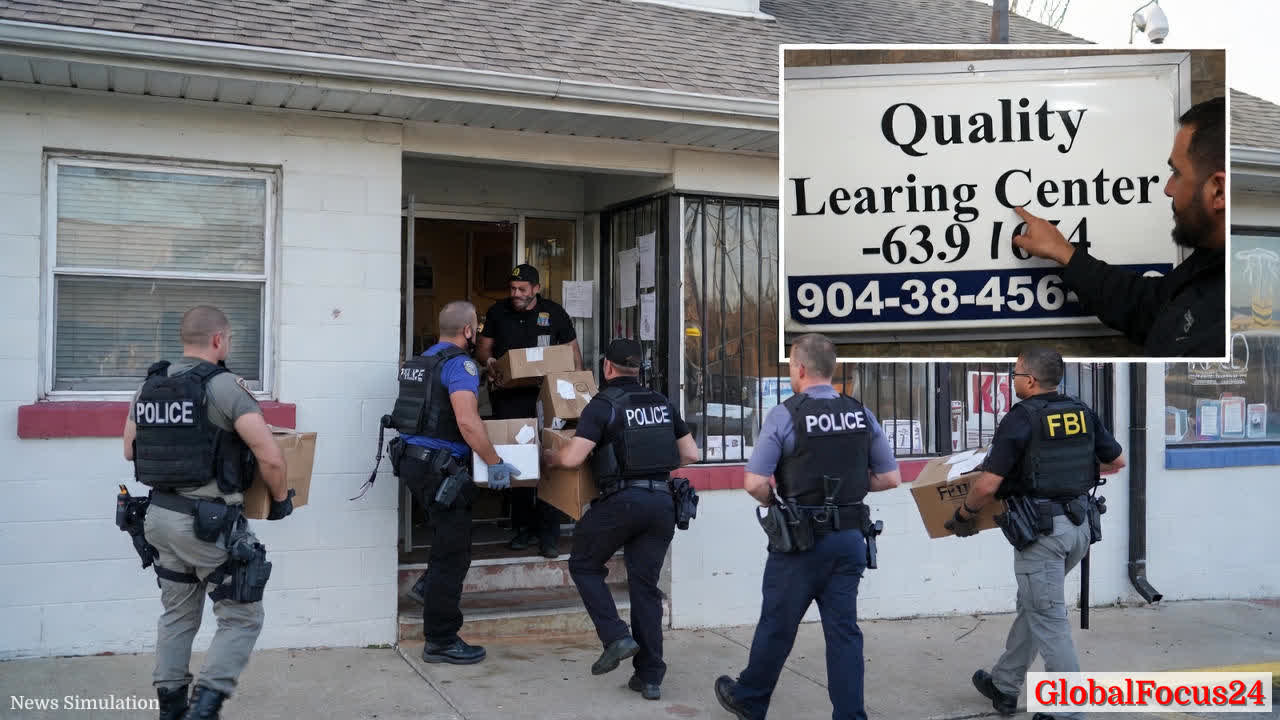
A recent law enforcement raid on a local business premises has placed a spotlight on regulatory oversight, compliance practices, and the broader role of private education providers in communities. On December 18, authorities conducted a coordinated operation at a site identified as a learning center, with multiple officers seen transporting boxes of potential evidence from the property. The incident, while still unfolding in the public record, raises questions about licensing, financial controls, and the pathways by which educational services are delivered in mid-sized regional markets.
Historical context: private education and regulatory evolution
Private education and training facilities have long operated at the intersection of public service and private enterprise. In many regions, community needs for after-school programs, tutoring services, and vocational courses led to a proliferation of independent centers over the past two decades. These institutions often straddle a complex regulatory landscape, encompassing business licensing, consumer protection standards, curriculum guidelines, and, in some jurisdictions, specialized oversight for programs serving minors.
The raid occurred in a climate where regulators have increasingly scrutinized compliance practices in private education, particularly for facilities that advertise structured curricula or offer credentialed programs. Historical precedents show that investigations can stem from complaints about misrepresentation, financial malfeasance, safety violations, or breaches of student privacy. When authorities act, communities tend to respond with a mix of concern for the students and appreciation for due process and accountability.
What the operation signals about governance and oversight
Initial public accounts describe a multi-agency operation, with officers observed carrying evidence from the site. A tactical presence, including personnel wearing visible police insignia and protective gear, underscores the seriousness with which investigators approach potential irregularities. While the full scope of the investigation remains confidential, the scene suggests that authorities are reviewing aspects such as record-keeping, admissions processes, financial transactions, and compliance with state or local educational standards.
The building’s exterior bore a sign reading “Quality Learing Center,” featuring a contact number for prospective clients. The misspelling of “Learning” as “LearIng” captured in an inset image has drawn attention online, becoming a focal point for discussions about branding, legitimacy, and the public’s trust in private educational providers. While branding errors can happen, investigators and observers alike understand that the underlying regulatory considerations extend far beyond a typographical anomaly.
Economic impact: implications for the local market
For nearby families and employers, the raid introduces a degree of uncertainty about access to tutoring, enrichment programs, or preparatory courses that the center may have offered. If the operation leads to temporary or permanent closure, families faced with reallocating schedules and resources may seek alternatives within the regional education market. The incident also has potential ripple effects on similar centers in the area, prompting other providers to review compliance measures, disclosure practices, and student protections to reassure current and prospective clients.
Regional comparison: how peers handle regulation and enforcement
In comparable markets across the region, authorities have approached private education oversight with a mix of formal licensing requirements and routine compliance checks. Some jurisdictions have adopted proactive inspection programs to verify safety standards, background checks for staff, and transparent fee structures. Others rely more on consumer complaints and post hoc investigations to identify problems. The current events can be viewed within this broader pattern: a community concerned with educational integrity, regulators reinforcing accountability, and private operators reassessing governance practices to maintain public confidence.
Operational transparency and consumer protections
Transparency in private education operations is a cornerstone of consumer trust. Key considerations include clear program descriptions, verifiable credentials for instructors, straightforward pricing, and accessible grievance procedures. In the context of the raid, observers will likely scrutinize whether the center provided accurate representations of program outcomes, documented attendance and performance data, and maintained student records in accordance with applicable privacy laws. The role of auditors and investigators in delineating whether practices met or violated standards will shape the narrative in the coming weeks.
Public reaction and community response
Public reaction to such incidents tends to vary with perceived impact on students and parents. Community members often express concern for the well-being and academic progress of learners while also emphasizing the importance of lawful conduct and due process for any organization under investigation. Parents who relied on the center for supplemental instruction may seek timely updates, alternatives, and assurances about the continuity of their child’s education. Local leaders may use the situation to reaffirm commitment to robust oversight while supporting families in navigating temporary disruptions.
Legal process and next steps
The legal process surrounding investigations into private education facilities typically unfolds through a sequence of steps: preservation of evidence, formal charging decisions if warranted, arraignment proceedings, and potential civil actions aimed at restitution or corrective measures. The pace and direction of these proceedings depend on the jurisdiction, the findings of investigators, and any criminal or civil allegations that emerge. Throughout, the rights of individuals connected to the operation—employees, students, and families—are protected by due process and statutory safeguards.
Impact on accreditation and reputation
Institutions in the private education sector rely heavily on trust, accreditation, and demonstrated outcomes to attract students and funding. An investigation can influence accreditation status, eligibility for grants or scholarships, and partnerships with community organizations. Even in the absence of formal findings, the mere exposure of a raid can prompt introspection within the broader market, encouraging providers to strengthen governance structures, perform comprehensive internal audits, and enhance stakeholder communications.
Historical perspective on branding and legitimacy
The incident’s branding elements, including the sign misspelling observed in the accompanying materials, highlight how branding can intersect with perceived legitimacy. While a single typographical error is unlikely to determine an organization’s credibility, it underscores the importance of professional presentation in signaling reliability to families and regulators. In markets where consumer choices in education are abundant, branding quality can influence perceptions of competence, even as substantive governance and program quality ultimately carry greater weight.
Regional economic considerations: workforce development and demand
From an economic standpoint, private education centers can contribute to regional workforce development by offering targeted training for in-demand skills, language enrichment, and test preparation. The raid potentially affects a segment of the local economy that includes educators, administrative staff, and ancillary service providers. If the market experiences a temporary contraction in供er demand, employers may reallocate resources toward more compliant and transparent operators, reinforcing a market-driven incentive for high standards.
Broader policy implications
Incidents like this often provoke policymakers to revisit regulatory frameworks governing private education. Potential policy responses may include:
- Clarifying licensing requirements and inspection frequency for private learning centers.
- Strengthening oversight of financial disclosures, refunds, and tuition protections.
- Enhancing student privacy protections and record-keeping standards.
- Establishing transparent processes for reporting and addressing complaints.
Such measures aim to balance the flexibility and innovation offered by private providers with the imperative to protect students and maintain public trust in education systems.
What to watch next
Key developments to follow include:
- Official statements from authorities detailing the scope of the investigation and any charges anticipated.
- Updates from the center regarding operations, program continuity, and support for students and families.
- Declines or surges in enrollments across similar facilities in the region as audiences reassess risk and reliability.
- Any forthcoming audits, certifications, or regulatory actions that may alter the operating environment for private education centers.
In summary, the December 18 raid underscores the ongoing importance of governance, transparency, and accountability in the private education sector. While the immediate implications center on regulatory processes and potential evidence gathering, the longer arc will likely hinge on how communities, regulators, and operators collaborate to ensure that educational services meet high standards without compromising access or innovation. As investigators continue their work and stakeholders seek clarity, families and providers alike will be watching for concrete outcomes that define the balance between opportunity and oversight in regional education ecosystems.