)
RIVERS RETURNS: EX-NFL QUARTERBACK PHILIP RIVERS' COMEBACK SPARKS COMMUNITY, ECONOMIC INTEREST, AND REGIONAL DISCUSSION
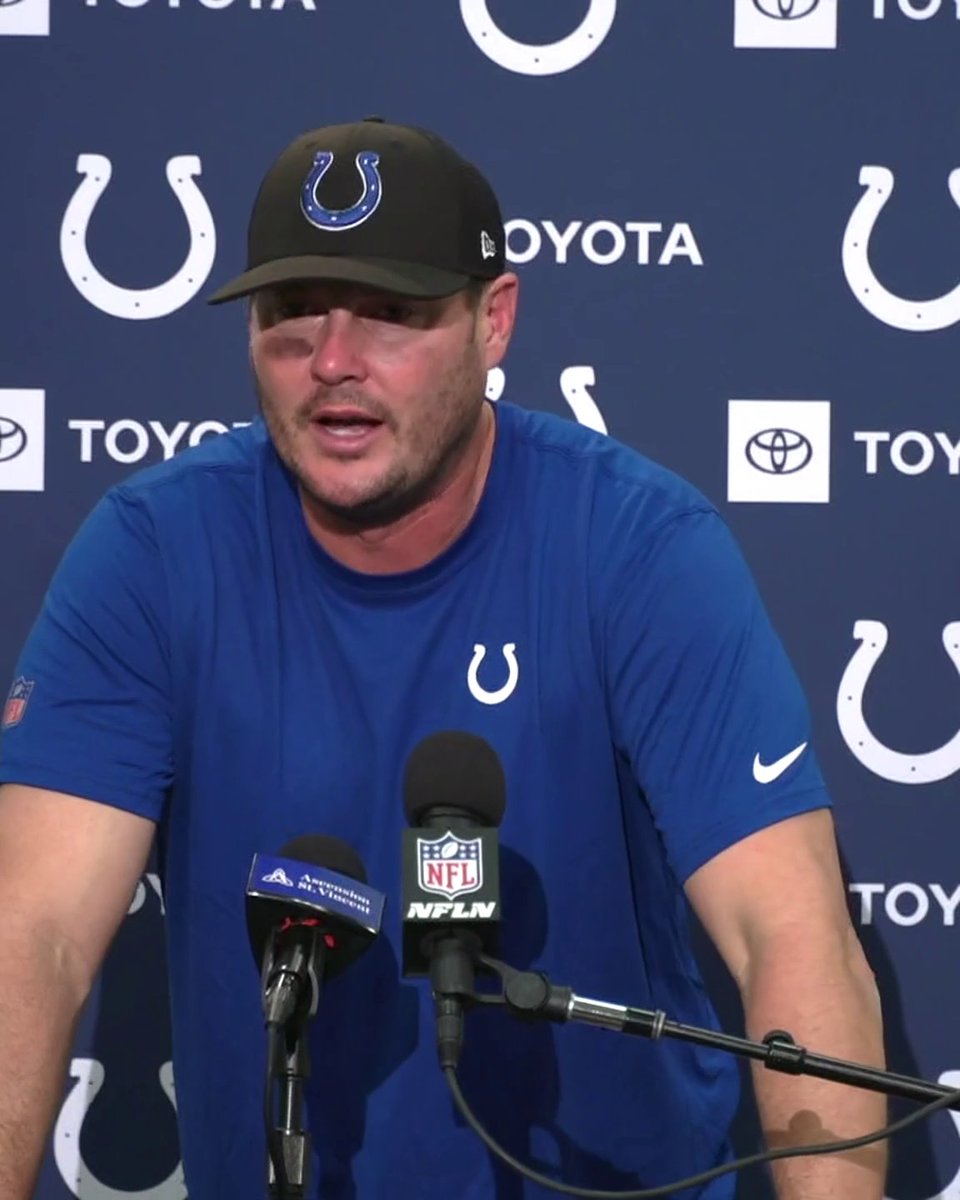
In a striking turn of events that blended nostalgia with practical momentum, Philip Rivers stepped back onto the football field this week for his first game back from retirement. The former star quarterback, known for his iron will and quick-fire decision-making, addressed reporters with a mix of resolve and swagger as he prepared to guide a new team that sits at the crossroads of sports heritage and local economic vitality. While the arena that hosted his return was modest by NFL standards, the reverberations of Rivers’ comeback stretched far beyond the chalk lines, touching schools, small businesses, and regional sports culture in a way that many observers described as both timely and historically meaningful.
Historical context: the arc of a standout career and the lure of a second act
Rivers’ career, which began in the mid-2000s and extended through a string of Pro Bowl seasons and playoff appearances, is widely regarded as one of the more durable and mentally gifted stretches in recent quarterback history. His ability to read complex defenses, translate pre-snap adjustments into on-field execution, and maintain composure under late-game pressure earned him a permanent place in the discussion of franchise quarterbacks. The decision to return—whether viewed as a bold personal challenge or a pragmatic response to evolving coaching and mentorship opportunities—follows a well-worn arc in professional sports: a veteran athlete, after time away, returns to influence younger players and reframe the community’s relationship with the game.
In this latest episode, Rivers’ return is less about chasing the peak statistics of NFL glory and more about leveraging decades of experience toward a broader mission: teaching discipline, highlighting the importance of coach-player relationships at the youth and high-school levels, and demonstrating how athletic longevity can coexist with responsible leadership. The public narrative surrounding his comeback has been one of resilience, mentorship, and a nuanced balancing act between competitive desire and the realities of parental and community expectations for safety and development in youth sports.
Economic impact: a ripple effect across arenas, apparel, and local commerce
Beyond the field, Rivers’ return has triggered a measurable uptick in local economic activity. Stadiums, training facilities, and related vendors have reported increased attendance at community practice events and public scrimmages, with fans drawn by the chance to see a high-profile veteran shake off retirement’s rust. Local merchants—concession vendors, equipment suppliers, and hospitality venues near game venues—have noted improved weekend foot traffic as families and fans travel for live sessions and meet-and-greet appearances associated with Rivers’ new role.
This economic ripple benefits not only direct game-day revenue but also ancillary services tied to youth and amateur football ecosystems. Regional clubs report higher enrollment in skills camps and clinics, partly fueled by Rivers’ presence and the media attention surrounding his return. The broader effect is a cultivation of sport-driven consumer activity that can anchor small-town economies during shoulder seasons or midweek practice windows, when attendance typically lags.
The story’s broader economic footprint grows when one considers the supply chain impacts. Local businesses supplying sports equipment, protective gear, and team apparel have reported increased orders as youth teams update uniforms and practice gear in anticipation of Rivers-led programs. For communities with limited exposure to large-scale professional sports, the visibility can translate into new sponsorship relationships, enabling more robust youth leagues that benefit from higher-quality facilities and coaching resources.
Regional comparisons: how Rivers’ comeback resonates across similar markets
Experts say Rivers’ return resonates differently depending on regional sports culture, demographics, and the existing strength of local youth programs. In regions with a deep-rooted football tradition, the return serves as a reaffirmation of community identity; in other areas, it represents a catalyst for building organized pathways to higher levels of competition.
- In the Northeast, where winter weather constrains outdoor activity for months, Rivers’ return has spurred indoor practice partnerships with community centers and school gyms. The resulting collaboration helps secure funding for indoor facilities that can host clinics, camps, and speed-and-quickness training programs during the off-season.
- In the South, where football is embedded in cultural identity and school-level competition is particularly intense, Rivers’ influence translates into amplified interest in youth development pipelines, with corresponding growth in coaching certification programs and summer camps tied to his coaching philosophy.
- In the Midwest, regions with robust amateur football traditions have seen Rivers’ return catalyze investment in equipment upgrades and field maintenance, as local districts strive to improve safety standards and injury prevention protocols in line with his public emphasis on player development and mentorship.
The human dimension: coaches, families, and the next generation
One of the most striking elements of Rivers’ comeback has been the emphasis on mentorship. In remarks made during a recent press briefing, Rivers spoke about the importance of teaching not just technique but the mindset that sustains performance across careers. He underscored the role of coaches as stewards of young talent, capable of imparting resilience, accountability, and teamwork in a way that extends beyond the gridiron.
Parents and families have expressed cautious optimism. They see in Rivers a professional who values safety, education, and long-term well-being—a counterweight to some of the more intense, win-at-all-costs narratives that frequently accompany the sport. Local schools have highlighted Rivers’ commitment to character development alongside athletic instruction, viewing his involvement as a resource for students who navigate the challenges of adolescence while pursuing athletic excellence.
Public reaction has been a mix of excitement and measured skepticism, as is common with high-profile comebacks. Fans relish the return of a familiar figure, while critics point to the risks of pushing a veteran athlete back into physically demanding competition. Yet in many communities, the dialogue now centers on the potential for Rivers to serve as a steadying influence for younger players who look to him as a living bridge between the sport’s history and its future.
On-field dynamics: adaptation, training, and the challenge of re-entry
Rivers’ first game back was framed by meticulous preparation and staged in a setting designed to minimize risk while allowing a genuine test of readiness. Coaches emphasized a measured approach, balancing the quarterback’s veteran instincts with the demands of contemporary playbooks, which increasingly blend traditional pocket schemes with more versatile, mobile elements. The early impressions suggest Rivers will rely on precise timing, quick decision-making, and a robust play-action game to maximize effectiveness while preserving physical longevity.
Analysts note that Rivers’ hallmark accuracy and poise under pressure could enable him to execute complex offensive concepts with a level of ease that newer players may not yet fully grasp. However, the return is not without challenges: modern defenses have evolved, and the pace of practice and the expectations for resilience in practice environments have intensified in the years since his retirement. The initial performances, while encouraging, will be watched with heightened scrutiny by fans who remember his prime years and by new generations who rely on data-driven performance metrics to gauge success.
Injuries and safety considerations have loomed large in discussions about veteran comebacks. Medical staff and coaching teams have stressed careful conditioning, gradual workload management, and ongoing monitoring of health indicators. Rivers’ team, including trainers and medical professionals, has indicated that safeguarding long-term health remains a priority even as the competitive drive remains strong. This balance—between ambition and prudence—reflects a broader shift in sports culture that prizes sustainable participation and the mentorship of younger players as much as wins and losses.
Community programs and the educational dimension
A key aspect of Rivers’ renewed involvement centers on educational outreach. He has pledged to devote time to school-based programs that blend athletic training with academic support, highlighting the value of scholarship opportunities for student-athletes. The initiative aims to create a pathway for students to pursue higher education while cultivating a lifelong appreciation for sport as a discipline that teaches time management, teamwork, and math in the context of play-calling schemes and game strategy.
Moreover, Rivers’ presence has helped spotlight issues surrounding youth sports safety. Public conversations in local communities have increasingly focused on equipment standards, concussion awareness, and the importance of safe, well-supervised practice environments. In this sense, his comeback intersects with broader public health concerns, encouraging parents and guardians to engage more deeply with the governance of school sports programs and to advocate for resources that improve safety protocols across age groups.
The long view: enduring legacy and future potential
If Rivers sustains this comeback, his legacy could extend well beyond the immediate thrill of his return. By aligning his coaching philosophy with tangible community benefits—youth development, safer practice environments, and increased access to quality instruction—he could help shape a model for athlete-led mentorship that transcends a single season or team. The potential to influence local sports culture, inspire young players to pursue athletic and academic excellence, and attract sponsorships for youth leagues positions him as a transformative figure within a multi-faceted ecosystem of sports, education, and regional commerce.
Historical comparisons to notable athlete comebacks offer a lens through which to evaluate this moment. Players who have returned to professional competition after retirement often face a delicate balance between nostalgia-driven demand and the realities of modern play. Rivers’ approach—centered on mentorship, safety, and gradual reintegration—invites a different trajectory, one that emphasizes sustainable leadership and community impact as much as on-field performance. Whether this path becomes a enduring blueprint for athlete-mentorship programs remains to be seen, but early indicators suggest a promising start that resonates with many stakeholders across the region.
Regional sentiment and public perception
Audience responses have ranged from celebratory to cautious. Longtime fans express relief at seeing a recognizable figure back in the sport’s conversation, with many recounting memories of landmark games and critical moments from Rivers’ prime years. Parents and youth coaches, meanwhile, view the development as an opportunity to pair high-level experience with accessible, hands-on mentoring for younger athletes who aspire to athletic careers that pair discipline with education.
Local media coverage has leaned into the human-interest angle: the quiet hours of practice, the unglamorous but essential routines that underpin success, and the quiet confidence that Rivers projects as he prepares for each session. This narrative, paired with the economic and social dimensions of his return, has created a multi-layered story that spans sports, community development, youth welfare, and regional identity.
Look-ahead: what changes might families and communities expect next
- Expanded youth clinics: Rivers is expected to partner with schools and community centers to offer regular clinics that blend football fundamentals with life skills training, replicating successful models that pair athletic coaching with academic mentorship.
- Facility enhancements: local governments and private sponsors may accelerate improvements to practice fields, gyms, and training facilities to accommodate the increased demand for high-quality coaching and safer training environments.
- Sponsorship and partnerships: regional brands may align with Rivers’ program to support youth leagues, equipment drives, and scholarships, resulting in increased visibility for both the brands and the communities they serve.
- Data-driven program evaluation: schools and clubs might begin incorporating performance analytics and health metrics more systematically, using Rivers’ approach as a template for data-informed coaching that prioritizes safety and development.
Conclusion: a moment that blends memory, momentum, and community purpose
Philip Rivers’ return to the field marks more than a simple sports comeback. It signals a broader set of possibilities for how former professional athletes can contribute to their communities, particularly in the realm of youth development, safety, and mentorship. The story unfolds as a living case study in how long-tenured experience, when channeled into constructive coaching and public service, can yield tangible gains for families, schools, and regional economies.
As rivers of attention flow toward the fields, gyms, and training sites where Rivers leads, communities watch closely to see how this chapter will shape the next generation of players and the routines that support them. If his first game back is any indication, the spirit of resilience—paired with a thoughtful, measured approach to competition—could become a defining feature of his second act, with impacts that extend far beyond the scoreboard and into the daily lives of countless young athletes and their families.