World Cup Prospect Frays Global Ties: Economic Ripples and Regional Comparisons in a Turbulent Tariff Debate
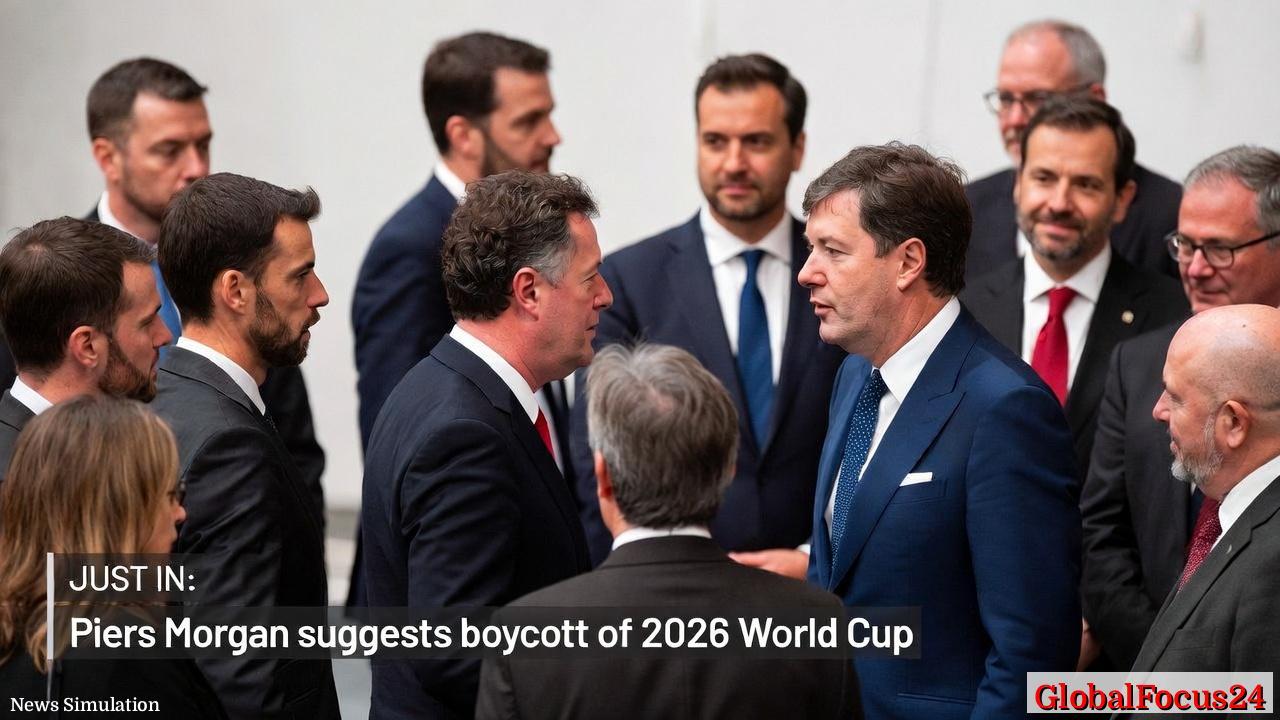
A provocative suggestion from a prominent media figure has rekindled discussions about how sports and diplomacy intersect in an era of intensified tariff politics. The proposal, urging several European nations to boycott the 2026 FIFA World Cup in a calculated bargaining tactic within tariff negotiations with the United States, has sparked a wide range of responses from policymakers, economists, sports executives, and the public. The 2026 tournament, co-hosted by the United States, Canada, and Mexico, is seen by many as a rare moment of global sports diplomacy amid a climate of trade friction and shifting alliances. While the idea of linking a global sporting event to tariff leverage is controversial, it has highlighted the economic significance of the World Cup and the broader implications for regional markets, tourism, broadcasting rights, and domestic industries.
Historical context: sports, trade, and diplomacy Sport has long served as a platform where international relations play out on a public stage. The World Cup, in particular, has repeatedly created opportunities for cultural exchange and soft power projection, while also becoming a focal point for economic considerations that extend beyond the pitch. Since the postwar era, host nations have invested heavily in stadiums, transport infrastructure, and hospitality ecosystems, aiming to reap a multiplier effect from global attention, sponsorships, and tourism. In parallel, trade negotiations frequently intersect with public sentiment surrounding national pride and international visibility. The 1980s and 1990s saw sports events being leveraged to signal economic resilience or to showcase a country’s modernization efforts. The current moment, characterized by high tariff sensitivity and a strategic pivot to bilateral and regional trade agreements, adds a new layer to this historical dynamic.
Economic significance of the World Cup for host nations and participating regions The economic footprint of the World Cup stretches across multiple channels. Direct expenditures include stadium construction or renovation, event logistics, security, and staffing. Indirect effects arise from increased tourism, hospitality demand, and consumer spending on merchandise, transportation, and entertainment. Media rights, sponsorship deals, and licensing agreements generate substantial revenue streams for national federations, leagues, and local businesses involved in event preparation and operations. For regions within Europe that regularly contribute players to the World Cup pool, the tournament also influences sponsorship markets, broadcasting negotiations, and youth development programs. The European Union’s internal market benefits from heightened global visibility, potentially stimulating export demand for cultural products, consumer goods, and services tied to the international spotlight.
Regional comparisons illuminate varied dependencies and outcomes. Europe’s football ecosystem features dense club networks, robust youth academies, and extensively developed infrastructures that translate international exposure into long-term brand value. In contrast, North American markets, while accustomed to mega-events like the Olympics and major league championships, must balance ambitious host-city investments with fiscal prudence and subscriber growth in a diverse broadcasting landscape. Europe’s high-density media markets and entrenched sponsorship hierarchies can magnify both the immediate revenue opportunities and the risks of disruption from political actions or boycotts. Latin America and Africa, which contribute rich footballing talent and passionate fan bases, often experience the spillover benefits of global tournaments through tourism and local commerce, even as logistic and security considerations pose distinct challenges.
Tariff discussions and the potential impact of a boycott scenario Tariffs operate as a tool to influence international trade flows, alter comparative advantages, and shape negotiations on goods, services, and intellectual property. When linked to a high-profile event such as the World Cup, the stakes extend beyond traditional tariff calculations. A boycott among major European nations could influence the perception of the event’s legitimacy, affect ticket and broadcast revenues, and alter sponsorship and merchandising dynamics. It might also trigger secondary effects on travel patterns, hospitality demand in World Cup-hosting cities, and regional supply chains tied to event preparations. However, the effectiveness of such a tactic would depend on a complex array of factors, including public opinion, the unity and resilience of coalitions, and the broader strategic goals of policymakers on both sides of the Atlantic.
Public reaction and the communications challenge for organizers Public sentiment around linking sports to tariff policy is mixed. Some observers view the World Cup as a peaceful arena for cultural exchange and economic opportunity, while others worry about the potential politicization of sport and the risk of alienating fans or sponsors who prioritize the integrity and universality of competition. Organizers and federations would face substantial reputational considerations in navigating a landscape where economic leverage intersects with national symbolism. Transparent communication, a clear separation between political negotiations and the sporting event, and contingency planning for potential disruptions are likely to be central to preserving the World Cup’s reputation as a global festival of football.
Implications for host cities and regional economies From a municipal and regional perspective, the World Cup can yield concentrated short-term benefits in host cities, especially in the form of lodging demand, transportation usage, and hospitality sector revenues. The timing of the 2026 tournament, with venues spread across three countries, introduces a broader distribution of economic activity and a longer window for investment returns. European markets, already deeply integrated with international football ecosystems, could experience amplified tourism spillovers through fan travel and heightened global media attention. Conversely, if the event faced political turbulence or reduced participation due to diplomatic maneuvers, the anticipated economic uplift could be dampened, affecting local budgets, jobs in the hospitality sector, and regional development projects tied to the tournament’s footprint.
Operational considerations for the 2026 World Cup The logistics of a three-country World Cup entail intricate coordination. Shared broadcast rights, cross-border security protocols, and synchronized transport and stadium scheduling require robust governance and contingency planning. For teams and fans, the experience hinges on seamless travel arrangements, consistent matchday operations, and uniform implementation of health and safety standards. From a business perspective, the event’s success depends on stable ticket sales, reliable sponsorship activation, and the ability of participating nations to generate meaningful fan engagement despite potential political tensions. The balance between delivering a high-caliber sporting product and managing geopolitical sensitivities is delicate, demanding proactive risk management and strong collaboration among organizers, national federations, and host cities.
Regional economic resilience and long-term viewpoints In the longer term, the World Cup’s influence on regional economic resilience is nuanced. Countries with diversified tourism ecosystems and well-developed infrastructure tend to harness the event’s visibility to attract investment and promote sustainable development initiatives. Investments in public transit, stadium modernization, and urban regeneration can yield benefits that endure beyond the tournament period. For European economies, the challenge is to maximize the positive outcomes while mitigating inflationary pressures and budgetary strains associated with large-scale events. The 2026 edition’s tri-national configuration offers a testing ground for cross-border collaboration, potentially informing future approaches to joint hosting and regional branding that can extend beyond football.
Historical parallels and lessons learned Looking back at past World Cups and other mega-events reveals patterns relevant to the current discourse. When political tensions intersect with international sports, organizers often respond with increased security, diversified sponsorship strategies, and enhanced fan experiences designed to preserve the event’s universal appeal. Economic analyses frequently emphasize the multiplier effects generated by tourism, construction, and media rights, while cautioning about inflated public expenditures and the risk of underutilized stadiums post-event. The 2026 World Cup’s expansive geography could either amplify global attention and economic dividends or, if disrupted by geopolitical frictions, underscore the vulnerability of mega-events to external shocks. The historical record suggests that resilience and adaptability—grounded in transparent governance, inclusive stakeholder engagement, and prudent fiscal planning—are critical to sustaining positive outcomes.
Sustained momentum: what stakeholders are watching For federations, sponsors, and regional governments, the priority remains stable, predictable revenue streams and the preservation of the game’s positive image. Sponsors seek alignment with a broad, diverse audience, valuing global reach and brand safety. Broadcast partners look for compelling matchups, robust viewership, and dependable distribution across platforms. Fans demand accessible tickets, affordable travel options, and a high-quality tournament experience that honors the sport’s competitive integrity. Policymakers, meanwhile, balance domestic economic objectives with international obligations, recognizing that sport can serve as a bridge for diplomacy and cultural exchange even in times of economic tension.
Global perspectives on sport as a unifier and a lever The World Cup’s power to unify diverse nations, cultures, and fans is a recurring theme in sports discourse. Even as economic and political pressures mount, the tournament provides a platform where shared passion for football can transcend differences. The current debate about tariff leverage and potential boycotts highlights the enduring tension between economic national interests and the inclusive spirit that many associate with international sporting events. How organizers respond to these tensions will shape not only the 2026 tournament’s legacy but also broader conversations about the role of sport in global affairs.
Conclusion: navigating uncertainty with clarity and stewardship As the world watches the countdown to a tournament that promises global attention, the intersections of economics, diplomacy, and sport create a complex landscape for policymakers and stakeholders. The idea of using a boycott as a negotiating tool underscores the urgency of negotiating frameworks that protect economic interests without compromising the integrity and universality of the World Cup. In regions with deep football traditions and significant economic stakes, the challenge will be to cultivate a stable environment that supports growth, preserves the sport’s accessibility, and maintains public confidence in the event’s role as a global celebration of athletic excellence. The path forward will require collaboration, transparent governance, and a commitment to preserving the World Cup’s enduring appeal as a shared, cross-cultural experience.