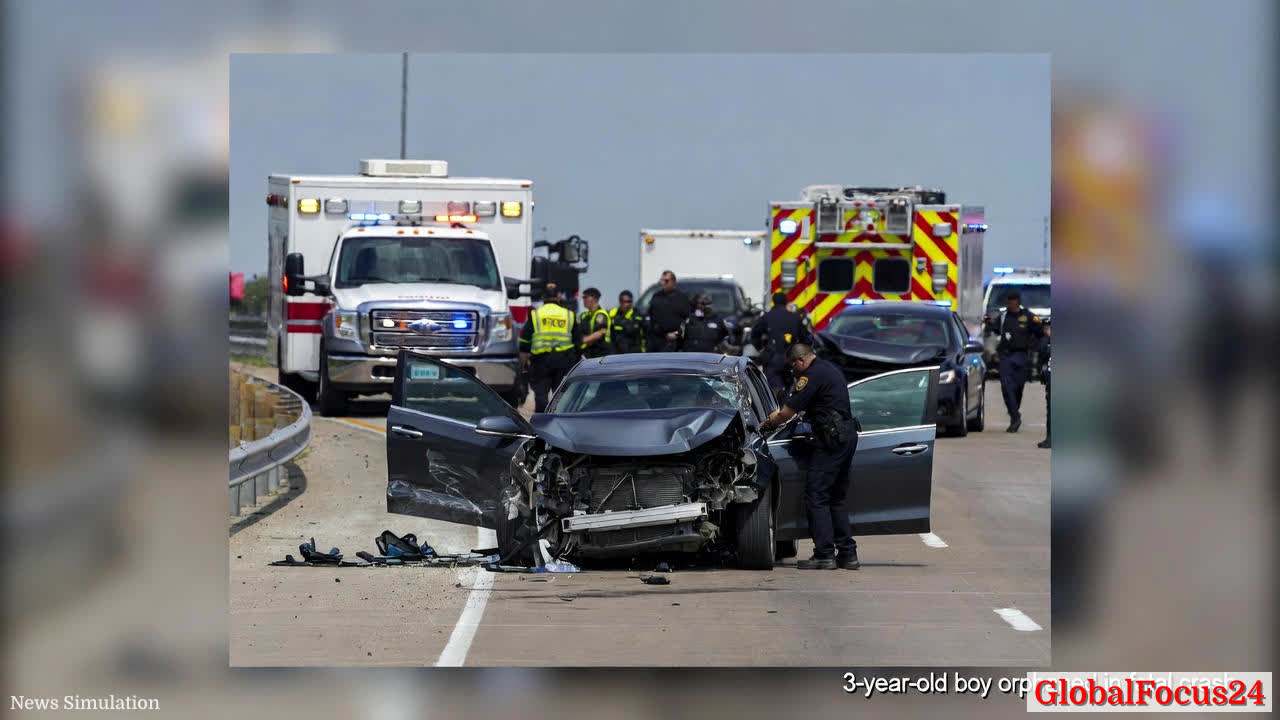
Tragic Fort Bend County Crash Leaves Child Orphaned, Community Rallying for Support
A devastating head-on crash in Fort Bend County, Texas, early Saturday morning has left a family of five with heartbreaking losses and one survivor facing a difficult road to recovery. The incident, which occurred around 2 a.m. as the family was returning from a Christmas gathering, has sparked a regional outpouring of grief, support, and questions about road safety and substance impairment. As investigators piece together the sequence of events, the community watches a formal process unfold, with a 27-year-old driver facing charges linked to intoxicated manslaughter and assault.
The accident's immediate toll was severe. The mother, a 27-year-old teacher, and her 5-year-old daughter died at the scene, struck by a vehicle traveling in the opposite lane. The father, a 26-year-old handyman, later died of injuries sustained in the crash at a local hospital. Their 3-year-old son survived the ordeal but remains in critical yet stable condition, undergoing medical care and potential surgeries as doctors assess the extent of his injuries. The surviving child’s resilience unfolds amid a backdrop of communal sorrow and practical challenges ahead for a family that is now navigating life without its primary caregivers.
Investigators say the driver of the other vehicle — a 27-year-old woman — was treated for minor injuries at the scene and subsequently charged with intoxicated manslaughter and assault. Bond was set at $1.05 million, reflecting the severity of the incident and the potential penalties under state law. The case has prompted routine questions about impaired driving and the safeguards communities can adopt to reduce the risk of similar tragedies. Local authorities emphasize that the investigation remains ongoing, with officers reviewing dashcam footage, eyewitness accounts, and toxicology reports to determine the precise factors that led to the collision.
Historical context helps frame the scope of this loss within broader patterns of traffic safety and public health. Impaired driving has long been a persistent concern across Texas and the broader United States. Data from prior years shows that alcohol- and drug-related crashes account for a significant share of motor vehicle fatalities, particularly during nighttime and early-morning hours when fatigue, celebratory drinking, and social gatherings converge. In the weeks surrounding major holidays, communities tend to experience a spike in traffic incidents, underscoring the importance of sober driving campaigns, enhanced enforcement, and preventive education. While each tragedy is unique, the cumulative impact on families, neighborhoods, and regional economies underscores the need for comprehensive approaches to road safety.
From an economic perspective, crashes of this scale ripple through multiple layers of the local economy. Immediate costs include medical expenses, emergency response resources, and legal proceedings, all of which can strain family finances and municipal budgets. Long-term effects extend to loss of household income, long-term care for surviving dependents, and potential impact on property values in affected neighborhoods. In Fort Bend County, where a mosaic of suburban communities and growing urban centers intersects with robust economic activity, such events can catalyze discussions about highway design, traffic calming measures, and improved access to rapid medical care. Local businesses often respond with charitable initiatives, fundraising campaigns, and community support networks, transforming tragedy into a mobilized effort to safeguard residents and future generations.
Regional comparisons shed light on how similar incidents have shaped policy and public sentiment elsewhere. In nearby counties and metropolitan areas, efforts to deter impaired driving include stepped-up law enforcement presence during late-night hours, the deployment of sobriety checkpoints where legally permissible, and campaigns that emphasize the personal and communal stakes of driving under the influence. Communities with strong public health outreach often partner with schools, employers, and faith-based organizations to deliver prevention programs that address underlying risk factors, such as alcohol accessibility for minors and the social dynamics that accompany holiday celebrations. The Fort Bend County crash thus sits within a broader national conversation about balancing individual responsibility with systemic safeguards to protect vulnerable road users.
Public reaction to the tragedy has underscored the human dimension behind the statistics. Friends, neighbors, and colleagues describe the mother as a devoted educator who touched countless students with care and encouragement. The father’s skilled hands and practical know-how were valued in the community, where loved ones recall his quiet generosity and commitment to family. The loss of a sister and daughter compounds the emotional burden on the surviving child, who now faces a lifetime of questions about his parents and sister, as well as the daunting practicalities of growing up in their absence. Community memorials and fundraising efforts have begun to organize around the boy’s medical journey and future needs, including education, housing stability, and access to ongoing social support services.
Legal proceedings in such cases rarely move in a straight line, and the process can stretch over months or years as prosecutors and defense attorneys navigate complex questions of intent, responsibility, and the role of alcohol impairment. In this instance, authorities have pursued charges of intoxicated manslaughter and assault against the driver believed to be responsible. The outcome of the case will hinge on a combination of physical evidence, toxicology results, and testimony from witnesses who observed the moments leading up to the crash. While the legal system seeks accountability, the broader public conversation often centers on prevention — how communities can reduce the likelihood of future tragedies through policy changes, education, and supportive services that address underlying risk factors.
The tragedy also raises questions about the resilience of emergency response systems and the capacity of local hospitals to manage high-acuity trauma cases. In many regions across the country, trauma centers serve as crucial hubs for stabilizing patients and coordinating rapid transport to facilities equipped to handle severe injuries. The incident in Fort Bend County highlights the important roles played by first responders, hospital trauma teams, and ancillary services such as social work and family support during periods of acute crisis. As the family negotiates the next steps in medical care and guardianship arrangements, these systems will play a central role in shaping outcomes and stabilizing the affected child’s environment.
Looking ahead, the community’s priorities are likely to include reinforcing road safety measures, expanding access to substance-use resources, and bolstering social safety nets for families facing sudden loss. Local leaders may consider reviewing traffic patterns, lighting, and signage on routes that connect residential neighborhoods with major thoroughfares, especially those that experience late-night traffic and limited public transit options. Investments in preventive infrastructure, such as improved median barriers, clearer lane delineations, and enhanced patrol visibility during high-risk hours, can contribute to reducing impaired driving incidents over time. Simultaneously, social services can expand programs that support bereaved families, child guardianship planning, and long-term educational opportunities for surviving children.
The role of the public in healing a community touched by tragedy should not be underestimated. Community vigils, nonprofit fundraising drives, and volunteer networks offer meaningful pathways for neighbors to channel empathy into tangible support. Donors can contribute to trusted organizations that provide immediate needs — medical expenses, funeral costs, and temporary housing — while also funding long-term programs focused on child welfare, trauma-informed care, and educational assistance. For the surviving child, sustained stability — including consistent schooling, access to counseling, and a secure home environment — will be essential components of recovery and growth. Public institutions, from schools to social services, can coordinate to ensure a seamless continuum of care that adapts as the child’s needs evolve.
In sum, the Fort Bend County crash represents a multi-faceted calamity that extends beyond the initial loss of life. It illustrates how individual decisions ripple through families and neighborhoods, shaping economic conditions, safety policies, and community cohesion. While law enforcement pursues accountability for the driver alleged to be impaired, the broader arc of response will be defined by a combination of mourning, resilience, and proactive steps to prevent similar events in the future. The incident stands as a stark reminder of the fragility of everyday life and the enduring responsibility communities have to safeguard one another on the roads.
For families and residents seeking resources, local agencies provide information on victim assistance, guardianship planning, and traffic-safety education. Community leaders emphasize that even in moments of sorrow, collective action can transform tragedy into a catalyst for lasting improvements in road safety and public health. As the investigation continues and the survivor’s medical needs evolve, the region remains focused on supporting the family, honoring the memory of those lost, and preventing future tragedies through informed action and sustained communal care.